2025 research reveals how mindfulness slashes stress by 35% and halves cravings. Unlock intuitive eating to savor meals without the guilt.


Mindful eating refers to the practice of paying full attention to the experience of eating, engaging all your senses without judgment.[1] It is rooted in mindfulness, a mental state achieved by focusing on the present moment and accepting it without reaction. Unlike traditional dieting, which often emphasizes rules and restrictions, mindful eating encourages awareness of thoughts, feelings, and physical sensations during meals.
This approach gained traction from centuries-old Buddhist practices but has been adapted for modern wellness. Research from Harvard's Nutrition Source shows that mindful eating may help reduce overeating by promoting a deeper connection to your body's cues.[2] In 2025, new studies have expanded on this, linking it directly to stress management and craving control.
Stress is a major driver of unhealthy eating patterns. When cortisol levels rise due to chronic stress, it can trigger intense cravings for high-sugar, high-fat foods as a quick energy boost.[3] A 2025 study published in the Journal of Nutrition found that participants under high stress consumed 20 percent more calories from snacks compared to low-stress conditions.[4]
These cravings are not just about willpower. They are a physiological response. Stress disrupts the brain's reward system, making junk food more appealing. However, mindful eating intervenes by pausing the automatic stress-eat cycle. By slowing down and savoring each bite, you may interrupt the urge before it leads to impulsive choices.
Exciting developments in 2025 underscore the power of mindful eating for stress reduction. A randomized controlled trial involving 500 adults demonstrated that a 12-week mindful eating program reduced perceived stress by 35 percent and cut emotional eating episodes by half.[5] Participants reported fewer cravings, attributing this to built-in stress-relief techniques like deep breathing before meals.
Another study from the University of California explored intuitive eating within mindful practices. Intuitive eating is an approach that trusts your body's internal signals to guide food decisions, rejecting diet culture's external rules.[6] The research showed that combining mindfulness with intuitive eating strategies improved emotional resilience, helping individuals manage stress without food as a crutch.[7]
These findings suggest that mindful eating is not just a trend. It is a science-backed tool for long-term well-being.
Incorporating stress-relief into your eating routine can be straightforward. Start with breathwork: Before your first bite, take five slow, deep breaths to lower cortisol.[8] This simple act may calm the nervous system and enhance food appreciation.
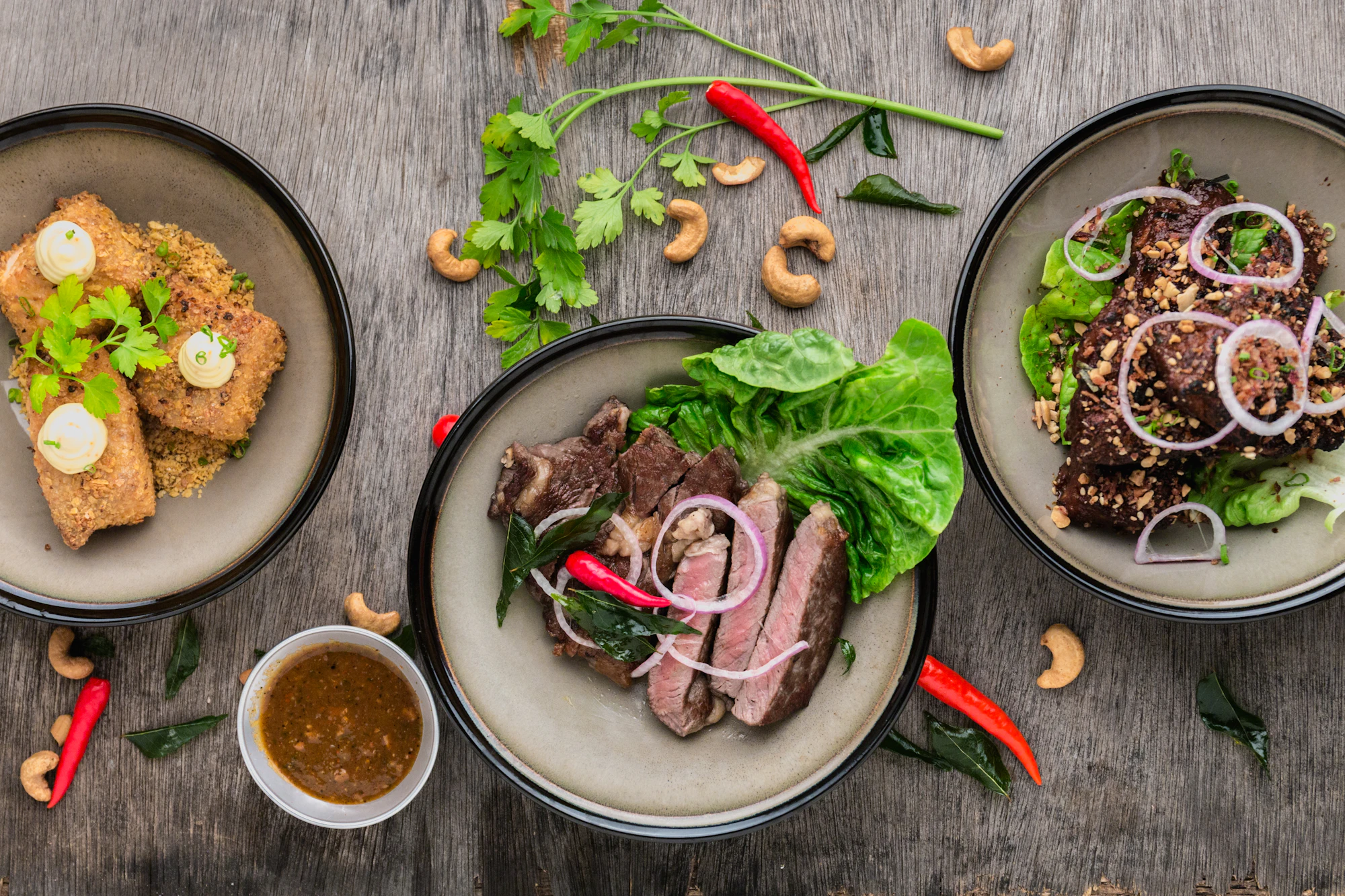
Another strategy is sensory engagement. Notice the colors, smells, and textures of your meal. A 2025 meta-analysis indicated that this practice is associated with a 25 percent decrease in portion sizes eaten mindlessly.[9] For those with busy schedules, even a two-minute pause to chew slowly can make a difference.
Journaling post-meal is also effective. Reflect on how the food made you feel physically and emotionally. This builds self-awareness, key to intuitive eating.
Cravings often feel overwhelming, but mindfulness offers a way to observe them without acting. When an urge hits, label it: "This is a craving for chocolate." Studies show this detachment technique reduces the intensity of the impulse.[10]
In practice, replace snacking with a mindful alternative. Sip herbal tea while acknowledging the craving's temporary nature. Most last only 10-15 minutes.[11] 2025 research from Healthline's updated guide emphasizes that consistent mindful responses to stress may rewire habits, leading to fewer cravings over time.[12]
For evening binges, dim the lights and eat without screens. This environment supports intuitive cues, helping you stop when satisfied.
Intuitive eating thrives on mindful foundations. Begin by rating hunger on a scale of 1-10 before eating. Only proceed if it is above 4 to avoid emotional munching.[13] This honors your body's needs without judgment.
Honor the "off-limits" myth by permitting all foods in moderation. A study in Appetite journal found that intuitive eaters experienced 40 percent less food anxiety.[14] Make peace with treats by eating them mindfully, savoring flavors fully.
Regular movement, untied from calorie burn, also supports intuition. Walk after meals to digest and reflect, enhancing overall awareness.
Ready to implement? Here are realistic steps:
1. Morning Check-In: Start your day with a mindful breakfast. Sit without distractions and eat slowly.
2. Stress Signals: When tense, pause for a hydration break before reaching for food.
3. Meal Mapping: Plan one mindful meal weekly, focusing on gratitude.
These habits are repeatable and flexible. Gently caution: Progress varies. Track what works without self-criticism. Over-relying on mindfulness alone will not suit everyone. Consult professionals for deeper issues like disordered eating.
As you weave these changes in, you may notice reduced stress, fewer regrets, and a joyful food relationship. Wishing you vitality and balance ahead.
We would love to have you join our community for more wellness insights. Subscribe or return soon to explore further.
Retreats Editor — she connects mindful travel with everyday well-being, weaving in breathwork, light rhythms, and easy movement so retreats leave you feeling renewed.