Tired of stress eating sabotaging your wellness? Unlock 2025's science-backed, mindful meal planning tactics that banish cravings and awaken intuitive hunger cues.


In the hustle of modern life, where deadlines loom and notifications never cease, it's all too easy to turn to food as a quick escape from mounting stress. You might find yourself raiding the pantry late at night, driven by anxiety rather than appetite, only to wake up feeling bloated and defeated. This pattern of stress eating affects millions, contributing to weight fluctuations, fatigue, and a strained sense of well-being. But what if you could break free from these reactive habits and instead cultivate a nourishing routine that honors your body's wisdom?
A widespread misconception is that overcoming stress eating requires willpower alone or strict calorie counting, which often backfires by heightening anxiety around food. In truth, mindful meal planning offers a gentler path, emphasizing awareness and flexibility to curb emotional eating while promoting intuitive choices. This approach, backed by emerging research, may help restore balance and support sustained health in 2025 and beyond.[1]
Stress eating occurs when emotional triggers override physical hunger cues, often triggered by the hormone cortisol, which surges during tense moments and boosts cravings for comfort foods high in sugar and fat. This response, part of our evolutionary fight-or-flight system, provided quick energy in ancient times but now leads to modern-day overindulgence.[2]
Scientific studies reveal that mindfulness practices can disrupt this cycle. For example, mindfulness-based eating awareness training (MB-EAT), a structured program, is associated with significant reductions in binge eating and improved mood regulation among participants.[3] By shifting focus to the present, these techniques help individuals distinguish emotional distress from genuine hunger, potentially lowering overall calorie intake from stress-driven sources.
Intuitive eating, defined as eating in response to internal hunger and satiety signals rather than external rules or emotions, complements this by fostering self-trust. Research links intuitive eating to lower levels of disordered eating and enhanced psychological well-being, suggesting it may contribute to long-term weight stability and reduced stress.[4] These insights underscore that mindful planning isn't about restriction but about empowerment through awareness.
In 2025, mindful meal planning adapts to our connected yet chaotic lifestyles, prioritizing sustainability over perfection. Begin by viewing your meals as opportunities for self-care rather than chores. This mindset shift alone may reduce the urge to eat out of stress, as it reframes food as fuel for resilience.
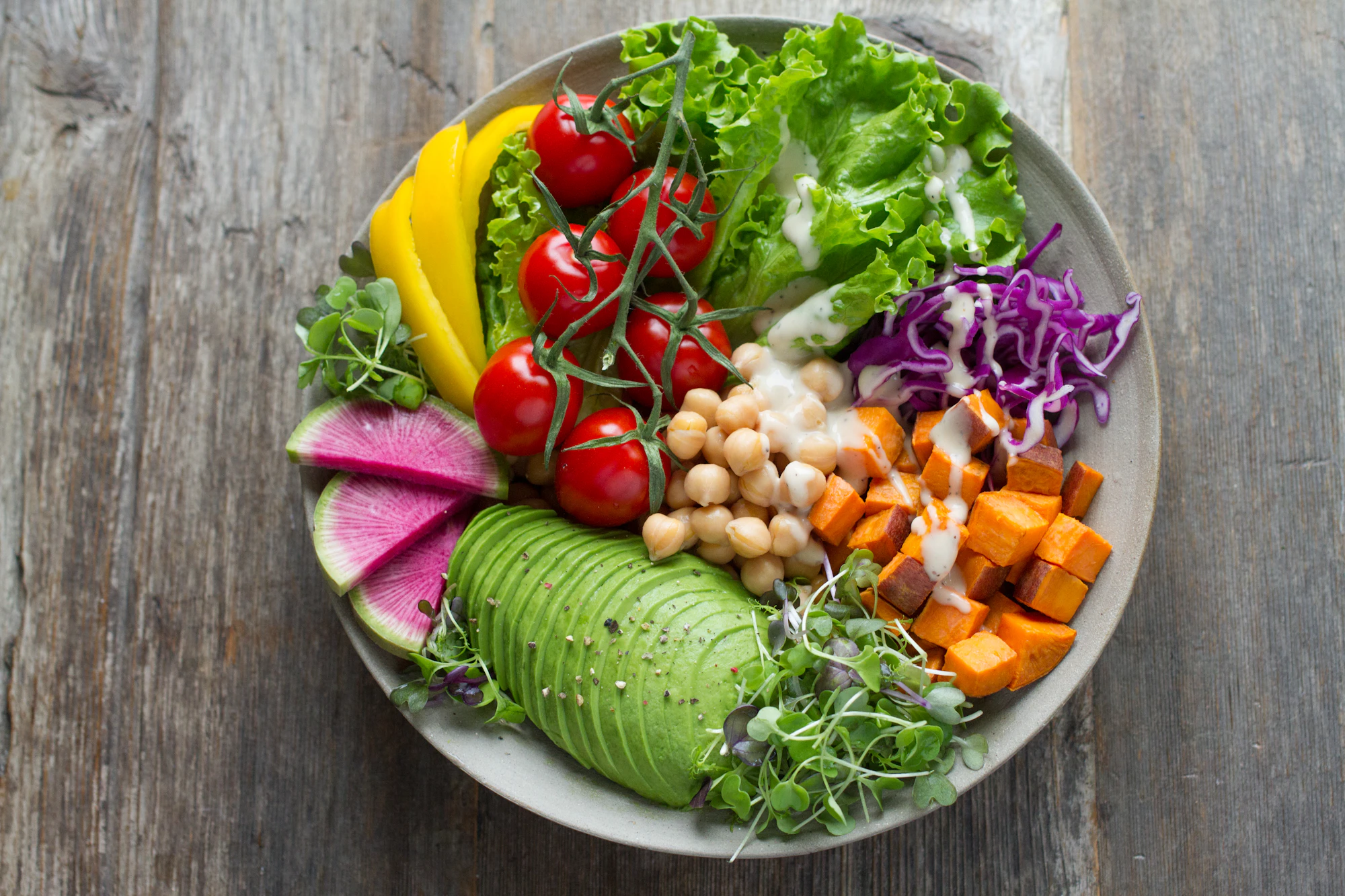
Key to this is integrating intuitive elements: plan with variety in mind, including proteins, veggies, and whole grains that satisfy diverse tastes. Evidence from nutritional psychology indicates that diverse, nutrient-rich plans are linked to better stress resilience and fewer emotional eating episodes.[5] Aim for simplicity, like prepping versatile bases such as roasted vegetables that pair with multiple proteins throughout the week.
Identify your stress hotspots, such as post-work evenings, and plan accordingly. Stock easy, appealing options like sliced apples with almond butter. This proactive step may interrupt the autopilot reach for processed snacks, giving your rational mind a moment to check in.[6]
Studies on habit formation show that environmental cues, like visible healthy prep, can decrease impulsive choices by reinforcing positive patterns over time.
Before eating, pause to ask: What am I feeling? Am I physically hungry? What do I truly want? What will nourish me? This brief ritual, inspired by intuitive eating principles, is associated with heightened awareness and reduced overeating in clinical trials.[7] It takes mere seconds but builds a habit of intentionality.
Pair meal planning with light activity, like a 10-minute walk before dinner. Physical movement releases endorphins, which may naturally dampen cortisol spikes and lessen the appeal of stress eating.[8] Keep it light to avoid adding pressure; the goal is integration, not another to-do.
Track hunger subtly throughout the day without apps if it feels overwhelming. Eat when your stomach signals mild emptiness, stopping at comfortable fullness. This attunement may improve metabolic health and emotional balance, as per intuitive eating research.[9]
Avoid eating in front of screens to fully engage with flavors and textures, enhancing satisfaction from smaller portions.
Allow room for spontaneity, like swapping a planned salad for a comforting soup on a rainy day. Rigid plans can breed resentment, fueling stress eating. Intuitive flexibility is linked to higher adherence rates and joy in eating.[10]
After meals, note how you feel: energized or sluggish? This feedback loop sharpens intuition over time, helping refine future choices without self-criticism.
Dedicate 30 minutes on Sundays to chop veggies and cook grains while practicing deep breathing. This sets a calm tone and yields meals ready for the week, potentially cutting weekday stress by streamlining decisions.[11]
Stock staples that spark happiness, such as herbs or dark chocolate. Mindful stocking encourages intuitive selections that feel rewarding yet healthful.
Involve family or roommates in the process to share the load and build supportive routines. A simple group brainstorm can turn planning into a bonding activity.
In 2025, tap into local markets for fresh, vibrant ingredients. Seasonal eating aligns with natural cycles, which may boost nutrient intake and reduce planning overwhelm.[12] It's also budget-friendly and eco-conscious.
To make these concepts stick, focus on realistic, repeatable actions that fit your routine without demanding perfection.
Takeaway 1: Weekly Intention Setting. Spend five minutes each Sunday jotting three nourishing meal ideas based on your schedule. This low-effort habit may foster consistency while leaving room for intuition. Repeat it without judgment, adjusting as needed.
Takeaway 2: Sensory Snack Ritual. For stress moments, choose a snack and engage your senses: notice color, aroma, texture. Chewing slowly can enhance fullness signals, helping you eat less overall. Use this 1-2 times daily, but not as a crutch for deeper issues.
Takeaway 3: Evening Wind-Down Anchor. End days with a non-food ritual, like herbal tea and gratitude listing, before bed. This may ease into sleep without late-night foraging. Practice gently; if it feels forced, scale back to avoid burnout.
Takeaway 4: Monthly Body Check. Review how your energy and mood have shifted from mindful choices. Celebrate small wins to build momentum. While promising, these steps work best alongside professional guidance if stress feels unmanageable.
Gently, remember that intuitive eating isn't about never indulging but responding wisely. Overconfidence in early wins might lead to skipping basics like balanced nutrition, so pair intuition with reliable info from sources like registered dietitians. If cravings persist intensely, it could signal underlying concerns worth exploring with a healthcare pro.
As you begin incorporating these mindful strategies, picture yourself navigating stress with grace, choosing foods that energize rather than numb. You may notice clearer focus, steadier moods, and a profound ease in your daily life, paving the way for lasting wellness that feels effortless and true to you.
Stick around for more empowering tips by subscribing to our newsletter; these insights are here whenever you're ready to savor a healthier, more intuitive path forward.
[1]Mindful Eating 101 — A Beginner’s Guide - Healthline
[2]Mindful Eating - Harvard T.H. Chan School of Public Health
[3]Mindful eating, intuitive eating, and the loss of control over eating - ScienceDirect
[4]Mindful Eating 101 — A Beginner’s Guide - Healthline
[5]Mindful Eating - Harvard T.H. Chan School of Public Health
[6]Mindful eating, intuitive eating, and the loss of control over eating - ScienceDirect
[7]Mindful Eating 101 — A Beginner’s Guide - Healthline
[8]Mindful Eating - Harvard T.H. Chan School of Public Health
[9]Mindful eating, intuitive eating, and the loss of control over eating - ScienceDirect
[10]Mindful Eating 101 — A Beginner’s Guide - Healthline
[11]Mindful Eating - Harvard T.H. Chan School of Public Health
[12]Mindful eating, intuitive eating, and the loss of control over eating - ScienceDirect
Retreats Editor — she connects mindful travel with everyday well-being, weaving in breathwork, light rhythms, and easy movement so retreats leave you feeling renewed.