Ever crash midday, craving junk? 2025 science reveals meal timing secrets that sync with your body's clock for steady energy, fewer urges, and peak metabolism.


Imagine starting your morning with high hopes, only to crash by noon, battling fatigue and reaching for quick fixes like candy or caffeine. These energy dips and persistent hunger strikes affect millions, often chalked up to stress or lack of discipline. But the timing of your meals could be the hidden culprit, disrupting your body's natural flow and amplifying these struggles.
A widespread myth suggests that nutrient timing—strategically scheduling meals to match biological rhythms—is reserved for bodybuilders or trendy diets. In truth, 2025's latest research reveals it as an accessible tool for anyone seeking balanced energy, reduced cravings, and improved metabolic function. By aligning eating patterns with your circadian rhythm (the body's 24-hour internal clock governing hormones and digestion), you can foster stability without overhauling your lifestyle.
Nutrient timing has evolved from niche concept to mainstream science, thanks to chrononutrition studies integrating meal schedules with circadian biology. Emerging evidence from 2025 points to enhanced energy expenditure when larger meals occur earlier in the day. For example, diet-induced thermogenesis—the calories burned processing food—peaks more effectively after morning intake than evening ones[1]. This may promote better fat utilization and steady vitality.
A comprehensive USDA review underscores how meal and snack frequency influences overall energy intake. While total calories remain crucial, consistent patterns help regulate appetite hormones, potentially curbing unplanned nibbling[2]. On the efficiency side, aligning eats with circadian cues supports brown adipose tissue activity, aiding non-shivering thermogenesis for subtle, ongoing calorie burn[3].
These findings, drawn from diverse populations, suggest nutrient timing may improve insulin sensitivity and lower inflammation markers. Yet, responses vary by factors like age, activity level, and personal chronotype (your natural preference for morning or evening alertness). Always consider these for tailored application.
For unwavering energy, prioritize front-loading calories—aiming for 50 to 60 percent of your daily total before mid-afternoon. This approach is linked to optimized mitochondrial performance, the cellular engines driving sustained power and reducing afternoon lulls[1].
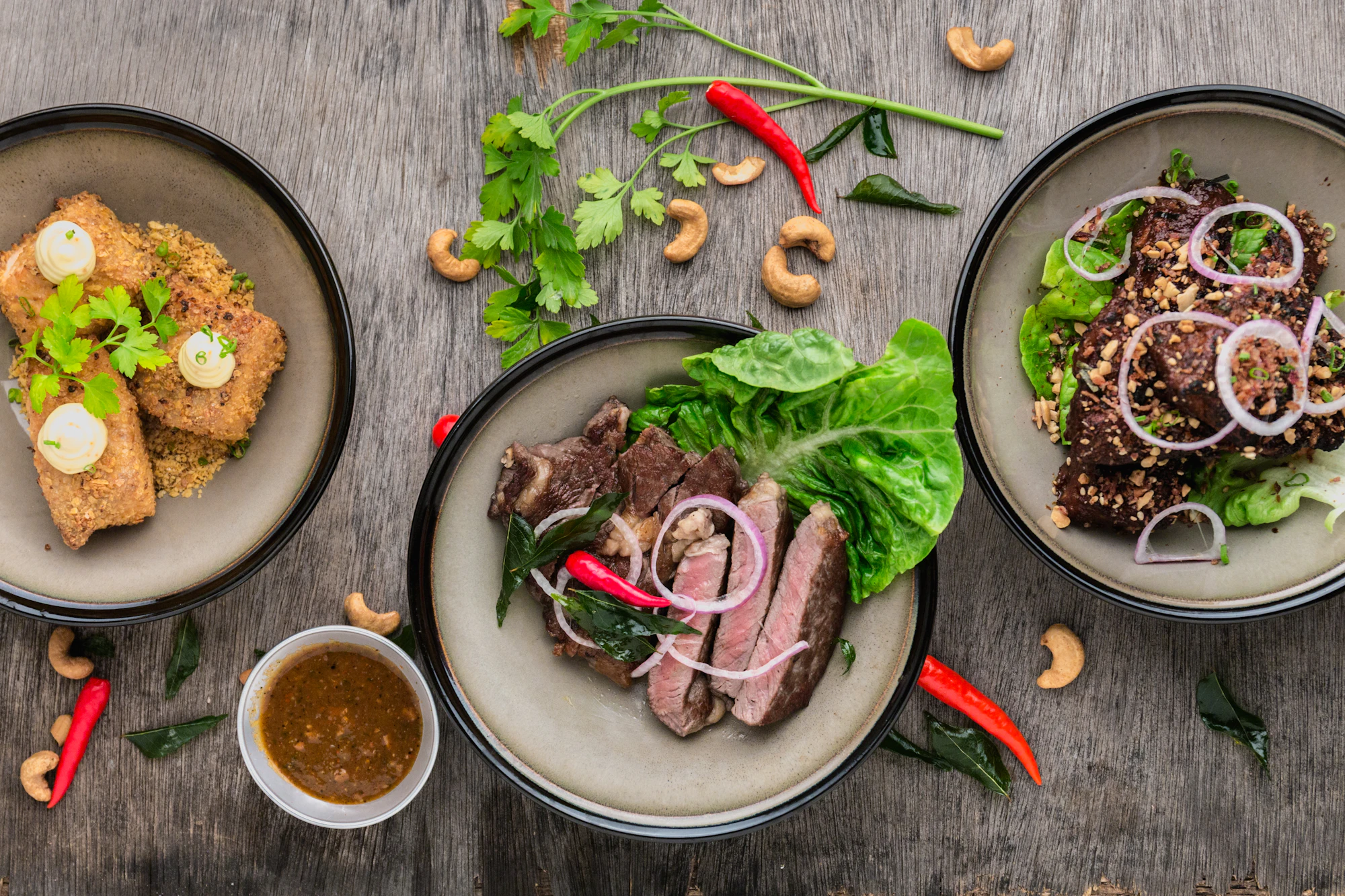
Kick off with a substantial breakfast soon after rising, incorporating lean proteins like eggs or tofu alongside complex carbs. Research indicates this timing helps maintain even blood glucose levels, warding off early-day fatigue[4]. A simple plate might include whole-grain toast with avocado and smoked salmon for lasting fuel.
Follow with a moderate lunch around noon, blending veggies, grains, and fats. If a snack fits, choose one mid-morning—think nuts and fruit—to bridge gaps without overwhelming digestion. Regular intervals reinforce circadian alignment, fostering focus and stamina.
Cravings frequently arise from erratic blood sugar, worsened by haphazard eating habits. 2025 studies on time-restricted feeding—confining meals to a 10- to 12-hour daily window—show potential to dampen ghrelin surges, the hormone driving hunger, thus easing impulsive eating[5].
Experiment with wrapping up dinner by early evening, say 6 or 7 PM, then fasting until breakfast. Lunch could feature satiating combos like lentil soup with a side salad, rich in fiber to extend fullness and sync with declining evening cortisol. This may lessen late-night munchies tied to emotional triggers.
When urges strike, try a non-food pause: a glass of water or short breathwork session. Such habits, grounded in timing awareness, can recalibrate signals and promote mindful choices over reactive ones.
Metabolic efficiency involves streamlining how your body burns versus stores energy. Recent data supports curbing evening carbs to favor overnight fat metabolism, while morning proteins may amplify thermogenic responses for better calorie handling[6].
Structure days around nutrient-dense foods: Begin with oats and nuts to elevate post-meal burn, midday with fish and quinoa for insulin harmony, and evenings light with stir-fried greens. Shorter fasting periods, such as 14:10 (14 hours fasting, 10 eating), could stimulate autophagy—your cells' self-renewal process—supporting long-term efficiency, though it's wise to monitor how your body adapts.
Assess your chronotype via free online tools to refine windows. Morning types might excel with 7 AM to 7 PM eating; evening ones could adjust to 10 AM to 10 PM for optimal gains.
Integrate nutrient timing smoothly to build habits that stick. Below are actionable, flexible steps suited for real life:
Approach with care: These tactics complement, not substitute, varied diets. Extreme timing might cause fatigue or deficiencies if pushed too far—tune into hunger cues and scale back if needed. Those with medical histories, like thyroid issues, should consult experts before experimenting.
As you adopt these nutrient timing principles, anticipate smoother days with reliable energy, subdued cravings, and a more responsive metabolism. Envision tackling tasks with ease, enjoying foods guilt-free, and feeling lighter overall. Consistent, gentle shifts hold the promise of profound well-being.
Wishing you clarity and strength on this path—embrace what energizes you, and circle back for fresh ideas as your journey unfolds.
Retreats Editor — she connects mindful travel with everyday well-being, weaving in breathwork, light rhythms, and easy movement so retreats leave you feeling renewed.