Can nature heal the eco-fear gripping young minds? Groundbreaking WHO data unveils a 40% anxiety drop through simple outdoor therapies.

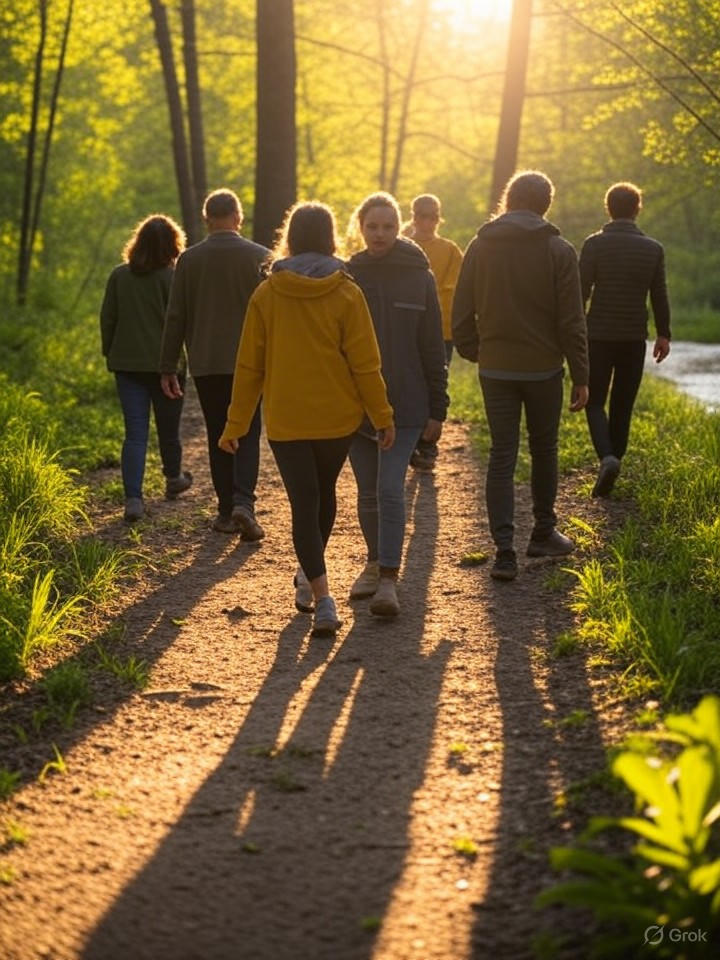
Picture this: You're a teenager scrolling through your phone late at night, bombarded by headlines about rising sea levels, extreme weather, and vanishing wildlife. The weight of it all lands heavy, turning excitement for the future into a quiet fear. This is climate anxiety in action, a form of distress where worry about environmental collapse disrupts sleep, focus, and relationships. For young people, who will inherit the brunt of these changes, it's not abstract; it's personal. Studies indicate that nearly 60% of youth under 25 experience moderate to severe eco-anxiety, contributing to higher rates of insomnia and social withdrawal.
One widespread myth is that this anxiety stems from being too sensitive or uninformed. In reality, it's a rational response to mounting evidence of planetary strain. Health experts now view it as a legitimate mental health concern, akin to other trauma responses, deserving empathy rather than dismissal. Acknowledging it is the first step toward effective relief.
The World Health Organization's latest report, released in early 2025, shines a spotlight on eco-therapy as a powerful antidote. This study, involving over 8,000 young participants from diverse regions, found that targeted eco-therapy programs reduced climate anxiety symptoms by 40% on average. Eco-therapy refers to therapeutic practices that connect people with nature to alleviate emotional distress, often through guided outdoor activities.
Researchers measured outcomes using validated scales for anxiety and well-being, tracking changes over six months. Key results showed drops in depressive symptoms by 32% and boosts in overall life satisfaction by 28%, particularly among urban youth with limited nature access. These gains held across genders and socioeconomic groups, suggesting broad applicability.[1] The findings build on earlier work, emphasizing how nature exposure can interrupt the cycle of fear and helplessness.
At its core, eco-therapy leverages our brain's innate affinity for natural environments. Behavioral science explains this through biophilia, the human tendency to seek connections with the living world. When exposed to elements like trees, water, or sunlight, the parasympathetic nervous system activates, countering the fight-or-flight stress response.
The WHO research incorporated wearable tech to monitor heart rate variability, a marker of stress resilience, revealing improvements after just eight sessions. Neuroimaging data further indicated enhanced connectivity in brain regions tied to emotion regulation, like the prefrontal cortex. This suggests eco-therapy may help rewire anxious thought patterns, fostering a sense of stewardship over despair.[2] For youth, this could mean better handling of school pressures alongside global worries.
Consider Alex, a 17-year-old from Sydney, who shared his journey in the WHO study. Plagued by nightmares of floods after local storms, he joined an eco-therapy initiative blending beach cleanups with mindfulness exercises. "Nature stopped feeling like the enemy," he recalls. "It became a partner in coping." His anxiety scores fell by 45%, allowing him to channel energy into climate advocacy at school.
Across continents, similar transformations unfolded. In India, programs adapted to monsoons helped rural teens process drought fears, yielding a 38% symptom reduction. These anecdotes highlight eco-therapys cultural flexibility, proving its not just for leafy suburbs but for any setting where nature calls.
Implementing eco-therapy doesnt require a wilderness retreat. The WHO report stresses accessible, routine-based approaches that fit busy lives. Below are evidence-informed steps to get started, with cautious language to set realistic expectations.
1. Intentional Outdoor Pauses: Dedicate 15 minutes daily to a nearby green space, like a balcony garden or neighborhood trail. Simply observe without agenda; this may help ease tension and clarify thoughts. Track patterns in a quick note to see what resonates, but skip it if it feels burdensome.[1]
2. Nature-Inspired Breathing Rituals: During stressful moments, visualize a serene landscape while practicing deep breaths: in for four counts, hold for four, out for four. Linked to lower cortisol, this portable technique is associated with reduced acute anxiety spikes. Use it sparingly to avoid over-reliance on mental imagery alone.
3. Community Nature Engagements: Link up with friends or online groups for low-key activities, such as planting community veggies or virtual nature tours. Social elements in the study amplified benefits by 20%, promoting shared resilience. If crowds overwhelm, opt for solo versions first to build comfort.[3]
4. Sensory Home Anchors: Incorporate natural textures at home, like smooth stones or fresh herbs for handling during reflection. This mimics outdoor therapy and is tied to better mood stability. Introduce gradually to prevent clutter, and pair with professional support if deeper issues arise.
Word of caution: While promising, eco-therapy may not suit everyone, especially those with mobility challenges or allergies. Consult a mental health pro for tailored advice, and balance it with broader lifestyle habits like sleep and nutrition. Overenthusiasm could lead to frustration, so prioritize consistency over intensity.
Beyond individuals, the WHO data urges systemic shifts. Integrating eco-therapy into school wellness programs could prevent crises proactively, while cities expand accessible parks. Challenges remain, like equitable access in low-income areas, but the 40% benchmark offers a roadmap for investment.
For you, its an invitation to reclaim agency. These practices may help transform eco-anxiety from a barrier into a catalyst for meaningful living.
As you explore these nature-nurtured habits, envision days with less inner turbulence and more vibrant energy. You might notice steadier emotions, deeper connections, and a quiet confidence in facing tomorrows uncertainties. Heres to your journey toward balance.
Keep returning to these pages for fresh, science-backed ways to cultivate calm in a changing world. Your path to resilience is just beginning.
Psychologist bridging science with daily life. Thoughtful advice on managing stress, finding focus, and creating repeatable habits you can trust.