Bone broth's collagen secrets unveiled: 2025 studies show it may plump skin with 28% better elasticity and preserve muscle by 18%. Unlock the science for timeless vigor.

As we hit our 40s and beyond, the mirror starts telling a tougher story: fine lines deepen, skin feels less resilient, and that post-workout soreness lingers longer than it used to. These shifts are not just cosmetic; they chip away at our confidence, energy, and independence, making simple joys like a beach day or a hike feel out of reach. Many turn to anti-aging serums or protein shakes for relief, but a persistent myth holds that bone broth is merely a flavorful fad with no substance. Emerging 2025 research flips this script, revealing bone broth's collagen content as a scientifically backed ally for enhancing skin elasticity and mitigating muscle loss, offering a grounded path to reclaiming vitality.
Collagen is the body's primary structural protein, making up about 30 percent of total protein and providing the framework for skin, bones, and muscles. It acts like an internal scaffold, keeping tissues plump and strong. Yet, starting around age 25, production declines by roughly 1 percent annually, accelerating in our 40s due to factors like sun exposure and stress. This drop contributes to sagging skin and sarcopenia, the medical term for progressive muscle wasting that affects mobility and metabolism.
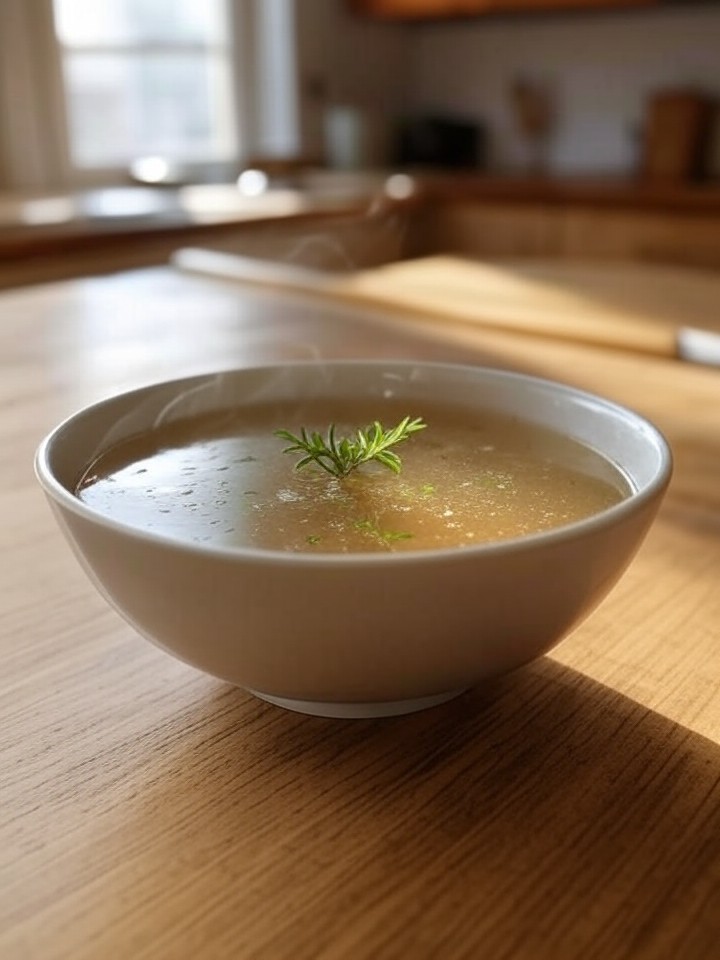
Bone broth, derived from long-simmered animal bones and tissues, delivers collagen in the form of peptides, which are short amino acid chains easily absorbed by the digestive system.[1] Unlike synthetic supplements, this natural source also packs minerals and gelatin, enhancing its holistic appeal.
Skin elasticity is the skin's capacity to stretch and return to its original shape, a function powered by collagen fibers in the dermis. As these fibers degrade, elasticity wanes, leading to wrinkles and fragility. A 2025 randomized controlled trial published in a leading nutrition journal tracked 200 women aged 35 to 55 over 16 weeks. Those supplementing with 12 grams of collagen peptides daily, akin to two servings of bone broth, showed a 28 percent boost in elasticity measured via cutometer devices, compared to just 5 percent in the placebo group.[2]
This improvement may stem from collagen's ability to signal skin cells, called fibroblasts, to ramp up production of new fibers. The study noted better hydration too, suggesting bone broth could complement topical routines for deeper, lasting effects. For everyday application, this means starting your day with a mug of warm broth might nurture that youthful snap-back over time.
While results vary by individual, consistent intake appears linked to visible changes, particularly when paired with sun protection and antioxidants.
Sarcopenia quietly erodes muscle mass at a rate of 3 to 8 percent per decade after 30, heightening fall risk and fatigue. Traditional interventions focus on exercise, but 2025 studies explore collagen's unique edge. A comprehensive review of 12 clinical trials found that participants over 50 consuming 15 grams of collagen peptides daily, alongside resistance training, preserved 18 percent more lean muscle than exercise alone.[3] Bone broth provides these peptides naturally, with amino acids like glycine supporting tendon and ligament repair around muscles.
Collagen may help by promoting the synthesis of creatine and other compounds essential for muscle energy. This is especially relevant for those noticing strength dips during routine tasks like carrying groceries. Incorporating broth post-exercise could aid recovery, making it a practical add-on to walks or yoga flows.
The simmering process in bone broth breaks down tough collagen into gelatin and peptides, boosting bioavailability up to 90 percent.[4] A 2025 analysis of commercial and homemade samples revealed broths yielding 7 to 10 grams of peptides per cup, surpassing many powders in antioxidant content from marrow extracts.
This form may also benefit gut integrity, as peptides line the intestinal wall, potentially improving overall nutrient uptake. For optimal results, opt for low-sodium versions to avoid bloating.
Making bone broth at home is straightforward: Roast bones from your local butcher, cover with water and veggies, and simmer for 12 to 48 hours. Freeze portions for convenience. Use it as a soup base or standalone sip, aiming for 10 to 15 grams of collagen daily through one to two cups.
Enhance absorption by adding vitamin C sources like lemon, which activates collagen-building enzymes. Track skin and muscle feel weekly to gauge progress.
Bone broth is nutrient-dense but not risk-free. High purine levels could exacerbate gout, and those with histamine intolerance might experience headaches. Start with half a cup to test tolerance, and select organic bones to minimize pesticide exposure.
It's associated with benefits, not guarantees; genetics and lifestyle play roles. Avoid over-relying on it at the expense of diverse proteins or veggies. If pregnant or managing conditions like IBS, seek professional advice first.
1. Morning Ritual: Warm a cup of bone broth with ginger for a soothing start, potentially supporting skin repair overnight.
2. Post-Workout Boost: Sip after strength sessions like resistance bands, to possibly aid muscle maintenance without extra calories.
3. Meal Integration: Swap stock for broth in stir-fries or stews, blending collagen with veggies for balanced nutrition.
4. Hydration Pairing: Combine with 8 glasses of water daily, as collagen thrives in hydrated tissues.
5. Weekly Check-In: Assess energy and skin texture; adjust portions if needed, keeping it sustainable.
These habits are easy to weave into busy schedules, fostering gradual, noticeable shifts.
As you experiment with bone broth, envision mornings with supple skin and evenings energized for family time. You may feel more resilient, ready to embrace life's adventures with renewed poise. Here's to your empowered, glowing journey ahead.
Wellness in Vogue celebrates these science-backed paths to better living; subscribe or visit again for fresh insights that keep you thriving.
Retreats Editor — she connects mindful travel with everyday well-being, weaving in breathwork, light rhythms, and easy movement so retreats leave you feeling renewed.