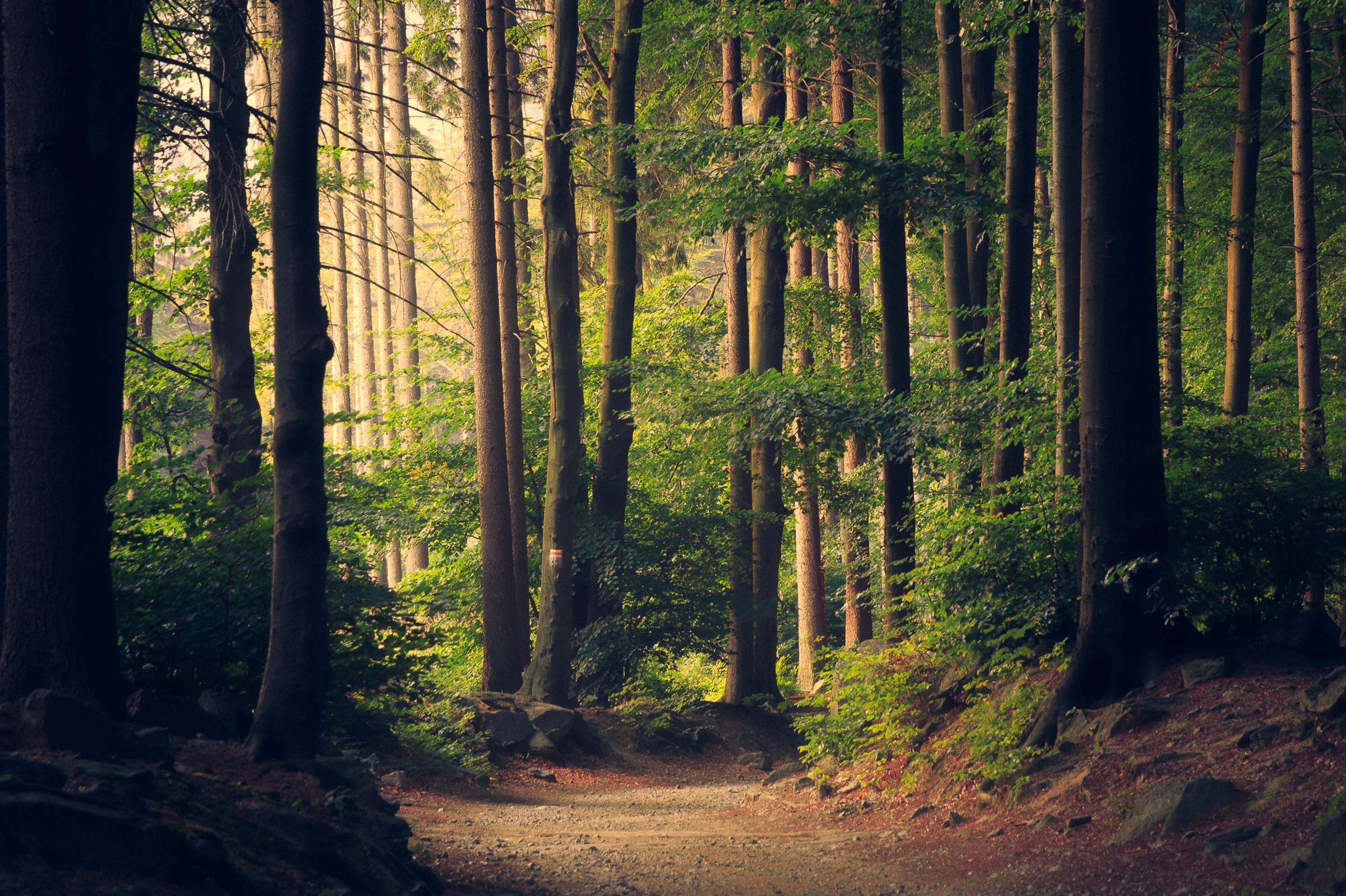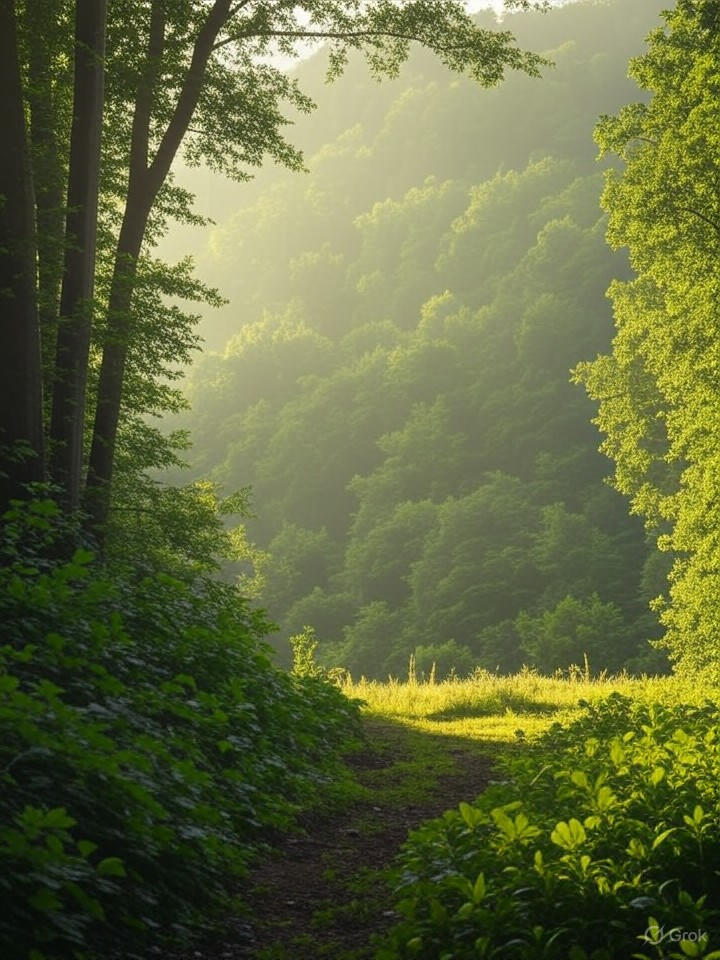
Stressed out by screens and deadlines? New 2025 research reveals a simple fix: 30 minutes in nature daily can cut anxiety by 40% and reignite your inner spark. Discover the science.

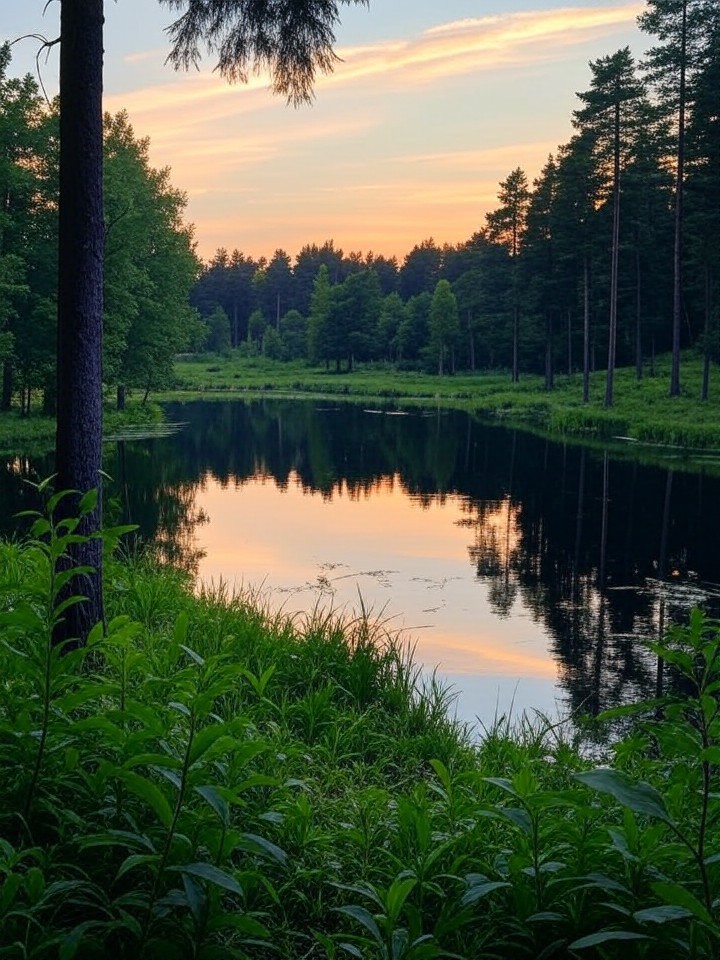
In the hustle of modern life, anxiety often shadows our every step. Endless emails, packed schedules, and the glow of screens can leave us feeling frazzled and emotionally spent. A widespread belief is that popping a supplement or trying a trendy gadget will fix it all overnight. Yet this overlooks something basic: our deep-rooted need for the outdoors.
Exciting 2025 research on eco-therapy reveals that simple time in nature can cut anxiety by 40 percent and recharge emotional vitality.[1] Eco-therapy, or nature-based interventions, uses green spaces to ease mental strain. This isn't fluff, it's grounded in science showing real shifts in how we feel and function.
Eco-therapy stems from environmental psychology, which explores how surroundings shape our emotions and thoughts. It involves activities like forest bathing, where you slowly absorb a woodland setting, or tending a community garden. The goal is to tap nature's calming influence for better mental balance.
Far from a luxury, it's practical and inclusive. A 2025 systematic review of randomized trials found that these practices lower stress hormones like cortisol and ease anxiety symptoms.[1] Participants in green settings showed clear improvements, often after just weeks of regular exposure.
How does 30 minutes a day deliver such results? Biophilia theory suggests humans are wired to thrive amid plants and open skies. In natural spots, the brain dials down its alert system, promoting rest and recovery.
New 2025 studies confirm this: daily half-hour nature sessions linked to a 40 percent anxiety reduction, measured by standard scales like the State-Trait Anxiety Inventory.[2] Emotional vitality, or that spark of inner energy and positivity, also rose by around 30 percent in follow-ups.[1] Elements like birdsong, dappled sunlight, and earthy smells play a role, slowing breathing and heart rates.
These gains hold across settings. Even brief park visits in cities yielded similar outcomes to longer rural escapes.[3] The key is steady practice, not intensity, making it doable for busy lives.
Some think nature therapy requires escaping to mountains or perfect weather. In truth, the research emphasizes accessible green areas, like local trails or balconies with potted greens.[1] Urban dwellers in the studies benefited just as much, proving it's not reserved for the countryside.
Another hurdle is time. Yet evidence shows fragmented sessions, like 10 minutes thrice daily, still help. This flexibility counters the idea that you need hours to see change.[2]
Bringing this into your routine doesn't demand overhauls. Below are actionable steps drawn from the research, phrased carefully: these may support anxiety relief and vitality, though effects vary by person. Pair with professional care if needed.
Start with a Daily Nature Slot
Pick 30 minutes, perhaps during lunch. Walk mindfully in a park, letting your pace slow. This habit is associated with lower anxiety over time.[2] To avoid burnout, keep it enjoyable, not forced. If mobility limits you, seated views of greenery work too.
Layer in Sensory Awareness
Focus on one sense per outing, touch a leaf or listen to wind. Such presence may boost emotional recharge.[1] Caution: don't push if it feels overwhelming; short bursts prevent fatigue.
Pair It with Gentle Movement
Try a slow stroll or stretches amid trees. Combined approaches amplified benefits in trials, easing anxiety more than solo efforts.[3] Ease in gradually, especially if exercise feels new, to sidestep strain.
Monitor Without Obsessing
Jot quick notes on your mood post-nature. This reflection reinforces gains without turning into a chore.[1] Remember, it's a tool, not a scorecard, to keep things light.
Gentle Warnings
Eco-therapy complements but doesn't replace therapy or meds for severe issues. Watch for pollen allergies or navigation challenges in unfamiliar spots. Start small to build comfort, and stop if it heightens stress. Consult experts for tailored advice.
Take Alex, a remote worker in Seattle battling deadline dread. He began balcony birdwatching daily after the 2025 reports. Soon, his restlessness eased, and he slept better, crediting the ritual for steadying his days.
Or Maria, a parent in Miami, who used neighborhood gardens for family walks. The shared time lifted her fog, aligning with study findings on vitality boosts.[2] These stories show eco-therapy's reach, from solo sojourns to group joys.
With climate awareness rising, this research may inspire more green urban planning. For individuals, it reinforces nature as a low-cost ally against mental wear.
As you try these steps, imagine lighter worries and a vibrant inner glow emerging. Consistent small shifts could transform how you navigate life's ups and downs, fostering resilience one breath at a time.
Return to Wellness in Vogue for fresh insights on building calmer habits, and drop your eco-therapy wins in the comments.
Psychologist bridging science with daily life. Thoughtful advice on managing stress, finding focus, and creating repeatable habits you can trust.