Climate anxiety rewires daily moods in 2025—new studies expose focus lapses, resilience breaks, and hidden emotional rhythms. Discover tools to reclaim your calm.


As we head into 2025, the invisible storm of climate change stirs more than weather patterns. It creeps into our daily lives, turning simple joys like a morning coffee or an evening walk into moments shadowed by worry. For many, this manifests as climate anxiety a chronic concern over environmental crises that disrupts sleep, strains relationships, and dims overall vitality. You might notice yourself snapping at loved ones after a headline about rising seas or feeling a vague dread that lingers like humidity.
A widespread myth is that climate anxiety is just alarmist hype or a sign of emotional fragility. In reality, emerging science frames it as a rational response to tangible threats, one that subtly rewires our emotional rhythms and tests our inner strength.[1] By unpacking this, we can reclaim steadier days.
Recent investigations are shedding light on how climate anxiety alters cognition. A July 2025 study in Frontiers in Psychology used objective tests to show that individuals with elevated climate concerns struggle more with sustained attention the brains ability to stay locked on a task without drifting.[1] This cognitive cost means everyday focus, from work emails to family conversations, can falter as mental energy diverts to eco-worries.
Broader international research reinforces this. A multi-country analysis published in the Journal of Environmental Psychology explored data from over 10,000 people, revealing that climate anxiety correlates with dips in daily wellbeing yet spurs eco-friendly behaviors like recycling or advocacy.[2] Using daily mood tracking methods, such as apps that prompt real-time emotion reports, researchers found anxiety spikes often align with news cycles, creating predictable ebbs and flows in emotional states.
Mental resilience the capacity to bounce back from stressors emerges as a key factor. Elevated anxiety is associated with heightened stress responses, including irregular cortisol patterns that erode long-term emotional steadiness.[3] These studies, conducted amid 2025s escalating climate events, suggest our moods are adapting to this new normal, but not always healthily.
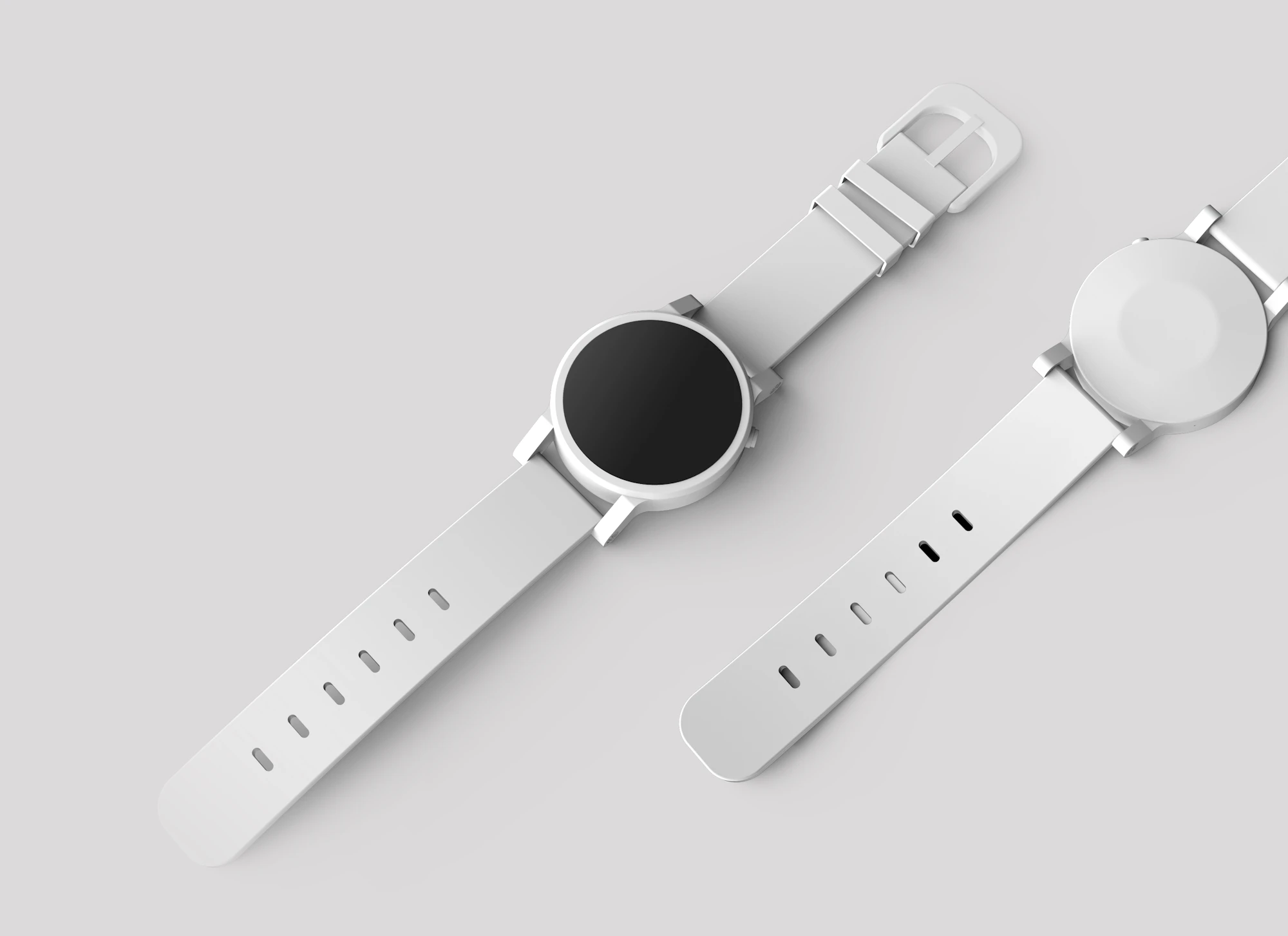
Daily life in 2025 reveals climate anxiety as a shape-shifter. Mornings might start optimistic, only for a podcast on biodiversity loss to trigger afternoon fatigue or irritability. Research using wearable devices to monitor heart rate variability a marker of emotional regulation shows these shifts happen swiftly, sometimes within 20 minutes of exposure to climate content.[1]
Patterns vary by demographics. Younger people, facing a future of intensified risks, report more frequent mood dips, with up to 70 percent noting weekly impacts in surveys.[2] Urban dwellers, bombarded by local pollution alerts, experience sharper contrasts between high-energy days and low-mood slumps.
Over months, this creates an emotional weather forecast of sorts. Hotter seasons amplify unease, linking to sleep disturbances and reduced motivation, while quieter periods allow rumination to build.[3] Awareness of these rhythms empowers us to intervene before they deepen.
Resilience is not about ignoring threats but developing tools to weather them. Cognitive science points to practices that buffer anxietys effects. For instance, brief mindfulness exercises have been linked to better attention restoration in those worried about the planet.[1] By training the mind to return to the present, we counter the future-focused pull of climate fears.
Social factors matter too. Engaging in community efforts, like tree-planting initiatives, boosts a sense of agency and is associated with lower anxiety symptoms over time.[2] This shared purpose transforms passive worry into active resilience, fostering emotional uplift.
Physiological approaches complement these. Gentle aerobic activities, such as cycling, help regulate the stress response, potentially stabilizing daily moods as shown in resilience-focused trials.[3] Integrating such habits mindfully prevents the overload that anxiety already imposes.
Translating research into routine is straightforward and sustainable. Here are actionable steps grounded in evidence, designed for busy lives.
Curate Your Information Diet: Designate one daily check-in for climate news, capped at 10 minutes. Follow it with a neutral activity, like brewing tea, to reset. This boundary may help preserve attention and mood, as studies link controlled exposure to fewer cognitive disruptions.[1] Caution against total avoidance, which can breed ignorance; aim for informed balance.
Journal for Pattern Recognition: Spend two minutes evening recapping your days emotional highlights and any climate triggers. Over time, this reveals personal cycles, aiding proactive tweaks like extra rest on tough days. Self-reflection techniques like this are tied to enhanced resilience without requiring deep therapy.[4] Keep it light to sidestep rumination traps.
Anchor with Nature Rituals: Step outside for a five-minute sensory scan noticing sounds, textures, and breaths. Nature immersion is associated with reduced anxiety and steadier moods in eco-stressed groups.[3] Make it repeatable by tying it to meals or commutes, but ease in if urban green spaces feel limited.
Foster Connection Points: Schedule a bi-weekly chat with a like-minded friend about sustainability wins, not just woes. Social support networks correlate with better emotional regulation amid global stress.[2] Watch for over-discussion that amplifies fears; pivot to solutions for uplift.
Incorporate Movement Mindfully: Add a 10-minute walk or stretch three times weekly, focusing on breath to release tension. Physical outlets may bolster resilience by balancing stress hormones.[5] Start slow to build habit without exhaustion, adjusting for your energy levels.
These rituals are flexible starters, not rigid rules. They draw from proven strategies to nurture mood stability and cognitive ease, with gradual use yielding the most lasting calm.
Embracing these shifts, you may find your inner world mirroring less chaos and more clarity. Days could feel lighter, with resilience blooming like resilient ecosystems after rain. Heres to your steadier, more empowered 2025.
Wellness in Vogue is here to guide you through mindful living, so subscribe for fresh tips that keep your wellness journey vibrant and return often for the latest in behavioral insights.
Psychologist bridging science with daily life. Thoughtful advice on managing stress, finding focus, and creating repeatable habits you can trust.