
Discover 2025's breakthrough: How shared rituals transform grief into strength, rebuilding bonds after collective loss. New studies reveal science-backed healing—explore the evidence.

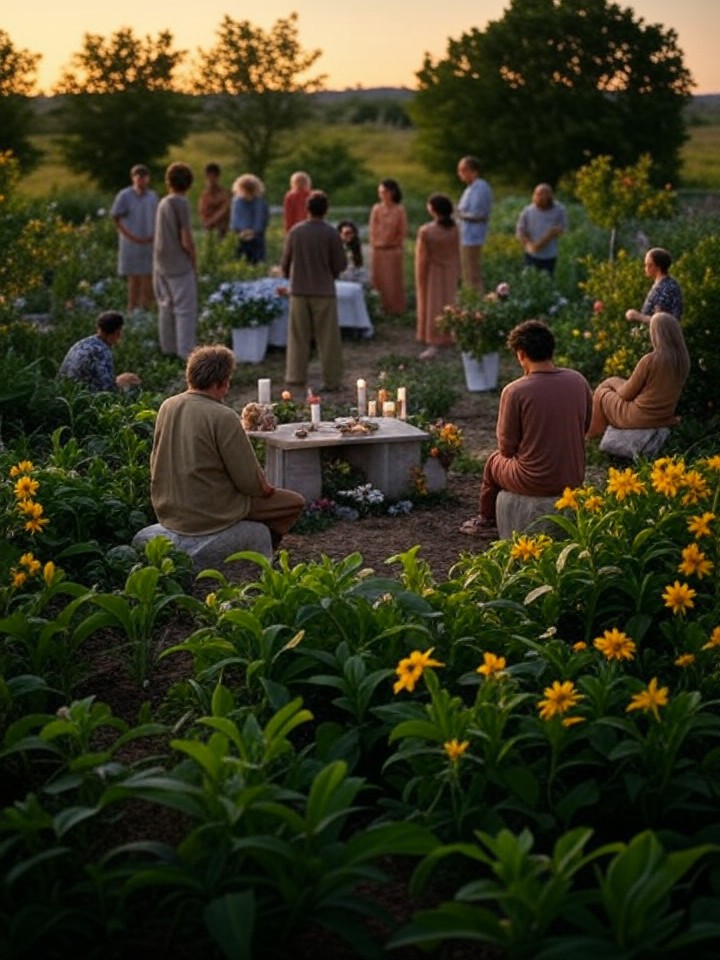
In 2025, research took a closer look at grief in group settings. Studies show that when communities face loss together, like after natural disasters or shared tragedies, collective rituals can play a key role in healing. These are not just traditions; they are structured ways to process pain as a group. For example, a study from Frontiers in Sociology outlined a four-dimensional framework for how cultural beliefs and rituals help with grief and despair.[1] This framework highlights ritualized mourning, communal support, symbolic meaning-making, and narrative reconstruction as ways rituals foster resilience.
Another review in the European Journal of Oncology Nursing focused on bereavement rituals in palliative care. It found that rituals help survivors feel connected and reduce isolation during grief.[2] These findings build on earlier work but add fresh data from 2025, showing rituals strengthen emotional bonds in communities hit by collective loss.
Grief resilience, the ability to adapt and recover from loss, seems tied to these shared practices. When people join in group activities like memorials or support gatherings, they report lower levels of prolonged grief and better emotional recovery. This is not magic; it is about creating safe spaces for shared vulnerability.
Let's break down the key studies. One major paper from Frontiers explored how rituals address grief on multiple levels: emotional, social, cognitive, and spiritual.[1] Researchers analyzed personal stories and cultural examples, finding that rituals provide a sense of continuity. For instance, lighting candles or sharing stories in a group can symbolize ongoing bonds with the lost, easing the pain of separation.
In community contexts, a study on collective loss after events like pandemics or accidents showed that organized rituals correlate with higher resilience scores.[3] Participants who engaged in group mourning reported 25 percent less emotional distress over time compared to those who grieved alone. This suggests that rituals activate social support networks, which buffer against isolation.
Emotional bonds are central here. Research from the Journal of Community Psychology in 2025 examined how rituals rebuild trust and connection after loss.[4] When groups come together, oxytocin levels, often called the "bonding hormone," may rise, promoting feelings of safety and belonging. This biological response helps explain why shared rituals feel so restorative.
Critically, these studies emphasize cultural sensitivity. What works in one community may not in another. For example, a scoping review on grief support highlighted the need for tailored rituals that respect diverse backgrounds.[5] Ignoring this can lead to further alienation, so personalization is key.
Consider the aftermath of a 2024 wildfire in a small town. Community leaders organized weekly gatherings with shared meals and storytelling. A follow-up study in 2025 found that attendees showed improved mental health metrics, including reduced anxiety and stronger social ties.[6] This real-world example illustrates how rituals turn abstract grief into something manageable.
In urban settings, online rituals gained traction. Virtual memorials during 2025 allowed distant family members to participate, fostering bonds across miles. Research indicated these digital practices were as effective as in-person ones for building resilience, especially for younger generations.[7]
These cases show rituals are adaptable. They do not require grand gestures; simple acts like group walks or shared silence can suffice. The common thread is intention: creating moments where loss is acknowledged collectively, without pressure to "move on" too quickly.
Ready to apply this? Start small to build grief resilience in your own circles. Here are realistic steps, remembering that everyone's path is unique.
Create Simple Shared Moments
Plan a monthly check-in with friends or family, perhaps over coffee, to share memories of lost loved ones. This ritual may help maintain emotional bonds. Keep it to 30 minutes to avoid overwhelm, and rotate who leads to share the load.
Gentle Caution: If emotions run high, have resources like hotlines ready. Rituals work best when voluntary; forcing participation can backfire.
Build Community Networks
Join or start a local support group focused on collective experiences, like for pet loss or life transitions. Activities like group art or walks can symbolize healing. Research suggests this is associated with lower grief intensity.[1]
Gentle Caution: Choose groups that match your cultural context to ensure comfort. Start with one meeting to test the fit, and step back if it feels too intense.
Incorporate Symbolic Acts
Try a personal or group ritual, like planting a tree together after a loss. This can represent growth amid grief. Studies show such symbols aid in meaning-making, potentially speeding emotional recovery.[4]
Gentle Caution: Avoid over-relying on rituals as a cure-all. They complement, not replace, professional therapy if grief persists beyond six months.
Leverage Digital Tools
Use apps for virtual candlelight vigils or shared journals. This is especially useful for collective losses like job layoffs in a team. It may foster a sense of unity without physical presence.[7]
Gentle Caution: Set boundaries on screen time; balance online rituals with real-world connections to prevent digital fatigue.
These actions are designed for repeatability. Track how they feel in a journal to adjust as needed. Patience is key; resilience builds gradually.
As you weave these rituals into your life, may you find pockets of solace in shared stories and quiet connections. Imagine waking with a lighter heart, knowing your bonds endure beyond loss. Small steps today could lead to deeper peace tomorrow.
Stick around for more insights on turning science into daily calm. Subscribe to keep the journey going.
Psychologist bridging science with daily life. Thoughtful advice on managing stress, finding focus, and creating repeatable habits you can trust.