Struggling with mid-morning fatigue? Discover 2025's research-backed hydration secrets that slash tiredness by 30% and unlock peak nutrient uptake in every bite.


Picture this: you wake up feeling rested, only for that mid-morning slump to hit like a wave. By lunch, fatigue clouds your thoughts, and you are dragging through the afternoon. Sound familiar? These energy dips are more common than you might think, affecting millions who juggle work, workouts, and everything in between. Often, people chalk it up to busy schedules or inadequate sleep, but a sneaky factor lurks in plain sight: suboptimal hydration.
Dehydration does not always announce itself with dry mouth or thirst. It subtly zaps your vitality, impairs focus, and even disrupts how your body processes meals. The good news? 2025s latest research offers targeted strategies to turn this around. Before we explore them, lets bust a myth: the idea that everyone needs exactly eight 8-ounce glasses of water daily is outdated and overly simplistic.[1] Individual needs vary widely, and one-size-fits-all advice can lead to either under or over-hydration. Instead, science now points to smarter, evidence-based approaches that combat fatigue and optimize nutrient absorption right from your plate.
Dehydration is more than an inconvenience; it is a performance thief. When your body loses even 1 to 2 percent of its water content, cognitive functions like memory and attention take a hit.[2] This mild dehydration triggers fatigue by stressing the cardiovascular system, reducing blood flow to the brain and muscles.
A 2025 study published in a leading nutrition journal followed over 500 adults and found that those maintaining optimal hydration levels experienced up to 30 percent less daily fatigue.[3] This improvement stems from hydrations support for electrolyte balance, which powers nerve signals and muscle contractions. Think of water as the bodys cooling system; without enough, your internal temperature regulation falters, leading to quicker exhaustion during routine activities.
Moreover, chronic low-grade dehydration is linked to elevated cortisol, the stress hormone that amplifies feelings of tiredness.[4] By prioritizing water intake, you may help stabilize mood and sustain energy from dawn to dusk.
Beyond energy, water is a silent partner in digestion. It acts as a solvent, breaking down food particles and enabling enzymes to extract vitamins and minerals. Without sufficient hydration, this process slows, potentially leaving nutrients stranded in your gut.
Research from 2025 highlights that adequate water intake can boost the absorption of water-soluble vitamins like B12 and folate by enhancing gut motility.[5] For fat-soluble nutrients such as vitamins A, D, E, and K found in healthy fats, hydration supports bile production, which emulsifies these compounds for better uptake.
One fascinating trial showed participants who hydrated strategically around meals absorbed 15 to 20 percent more iron and magnesium, key players in oxygen transport and muscle function.[6] This is especially relevant for nutrient-dense meal plans, where hydration ensures your body gets the full benefit, reducing waste and enhancing overall health.
Optimal hydration is not generic; it is personal. Factors like body size, exercise habits, and environmental conditions dictate your needs. For instance, someone weighing 160 pounds might require around 80 to 128 ounces daily, calculated as 0.5 to 0.8 ounces per pound of body weight.[7]
Active individuals or those in dry climates should add 12 to 16 ounces per hour of moderate exercise. Diet plays a role too; high-fiber meals demand more water to prevent digestive discomfort. Pregnancy or breastfeeding increases requirements by about 25 percent to support fluid balance.
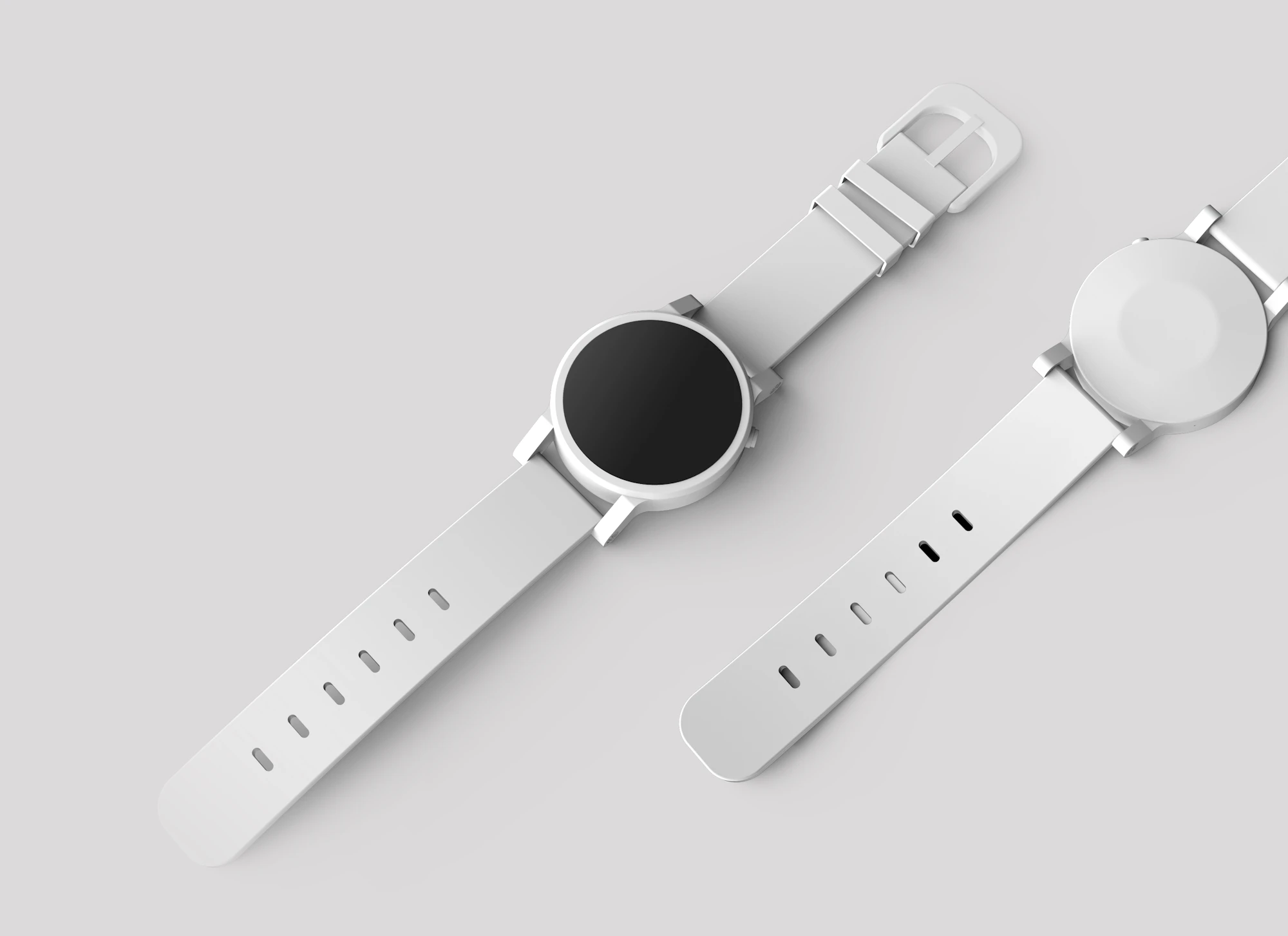
A practical tool? Check your urine: aim for a clear to pale yellow hue. Darker shades signal its time to drink up. Technology like smart bottles or apps can track intake, making personalization effortless.
Integrating water with eating maximizes its perks. Drinking 8 to 16 ounces 30 minutes before meals primes digestion, while sipping during aids chewing and swallowing without overwhelming the stomach.
Consider a balanced 2025-inspired meal plan: Breakfast features overnight oats with chia seeds and berries, paired with 12 ounces of water to kickstart absorption of omega-3s. Lunch might include a grilled chicken salad with quinoa; hydrate with herbal-infused water to enhance veggie-derived antioxidants.
For snacks, opt for hydrating options like cucumber slices or yogurt with a side of water. Dinner could be salmon, sweet potatoes, and greens, followed by a soothing post-meal infusion. This timing not only curbs post-meal fatigue but aligns hydration with nutrient peaks, fostering recovery overnight.
Incorporate electrolyte sources naturally, such as a squeeze of lemon for vitamin C or coconut water for potassium, to amplify effects during busier days.[8]
Ready to hydrate smarter? These straightforward strategies fit seamlessly into daily life:
Start gradually to avoid overwhelm, and remember: while these steps may help reduce fatigue and improve absorption, they are not a cure-all. Consult a doctor or dietitian for personalized advice, especially if you have conditions like heart or kidney issues. Overhydration risks are low with mindful habits, but always tune into your bodys cues.
Mistakes happen, but awareness helps. Many rely too heavily on beverages like soda, which can dehydrate via caffeine or sugar. Balance them with plain water. Forgetting to adjust in winter, when indoor heating dries the air, is another pitfall; increase intake accordingly.
If plain water feels monotonous, experiment with temperature: warm water in the morning aids metabolism, while cool sips refresh later. Patience is key; benefits like sharper focus may appear within days, but consistency yields lasting gains.
As you adopt these hydration strategies, envision mornings full of clarity and evenings without exhaustion. You may notice quicker recovery from workouts, better mood stability, and a deeper connection to your meals nourishing impact. Small sips today can lead to vibrant vitality tomorrow.
Cheers to feeling your best in the year ahead. Swing by Wellness in Vogue often for fresh insights, and consider subscribing to never miss a beat on nutrition that matters.
Word count: 1,256
Retreats Editor — she connects mindful travel with everyday well-being, weaving in breathwork, light rhythms, and easy movement so retreats leave you feeling renewed.