Research reveals: Cut anxiety-driven cravings by 25% with simple 2025 strategies. Pause, breathe, savor—and reclaim control over stress eating for life-changing balance.


In today's fast-paced world, many of us turn to food when stress mounts. Late nights at work, family demands, or global uncertainties can trigger anxiety that leads to emotional eating. You might grab a bag of chips during a tense meeting or indulge in sweets after a tough day, only to feel regret afterward. This cycle of stress-driven cravings can disrupt balanced eating habits and harm overall well-being. A common misconception is that mindful eating is just another diet trend, something you force yourself to do with rigid rules. In reality, mindful eating is a gentle practice rooted in awareness, helping you reconnect with your body's signals without judgment.
Recent studies in 2025 have shed light on how mindful eating can combat anxiety and stress-related cravings. Researchers at the University of California found that participants who practiced mindful eating techniques reported a 25% reduction in emotional eating episodes over eight weeks,[1] compared to a control group. This approach, which involves paying full attention to the sensory experience of eating, helps interrupt the automatic response to stress that often leads to overeating.
Another study published in the Journal of Nutritional Psychology explored the link between mindfulness and cortisol levels, the hormone associated with stress. Those incorporating short daily mindfulness exercises saw lowered cortisol, which in turn reduced cravings for high-sugar foods.[2] These findings suggest that mindful eating is not just about food; it is a holistic strategy for managing anxiety and promoting emotional balance.
When anxiety strikes, your brain's reward system activates, seeking quick comfort from calorie-dense foods. This is evolutionary wiring: in times of perceived threat, our ancestors needed energy boosts. Today, however, chronic stress turns this into a habit, leading to imbalanced eating patterns. Mindful eating counters this by encouraging pause and reflection before eating, allowing you to distinguish true hunger from emotional needs.
Experts note that without intervention, stress eating can contribute to weight gain and nutrient deficiencies. By fostering awareness, you may break free from this loop and build sustainable habits that support long-term health.
Implementing mindful eating does not require overhauling your routine. Start small with evidence-based techniques. One effective method is the "pause and plate" approach: before each meal, take three deep breaths and assess your hunger on a scale of 1 to 10.[3] This simple step can reduce impulsive choices and enhance satisfaction from your meal.
Another strategy involves sensory engagement. As you eat, notice the texture, aroma, and flavors of your food. A 2025 trial showed that this practice improved portion control and decreased post-meal guilt among participants prone to anxiety.[1] Pair this with balanced plates: include vegetables, proteins, and whole grains to stabilize blood sugar and curb cravings.
Anxiety often amplifies cravings, but targeted mindfulness can provide relief. Try the "body scan" during meals: mentally check in with your body's tension levels. Research indicates this technique lowers perceived stress by 15%, helping you eat more intentionally.[2]
For stress relief beyond the table, integrate short breathing exercises. Inhale for four counts, hold for four, and exhale for four. Do this before snacking to determine if you are truly hungry or just anxious. These methods, backed by cognitive behavioral studies, empower you to respond rather than react to emotional triggers.
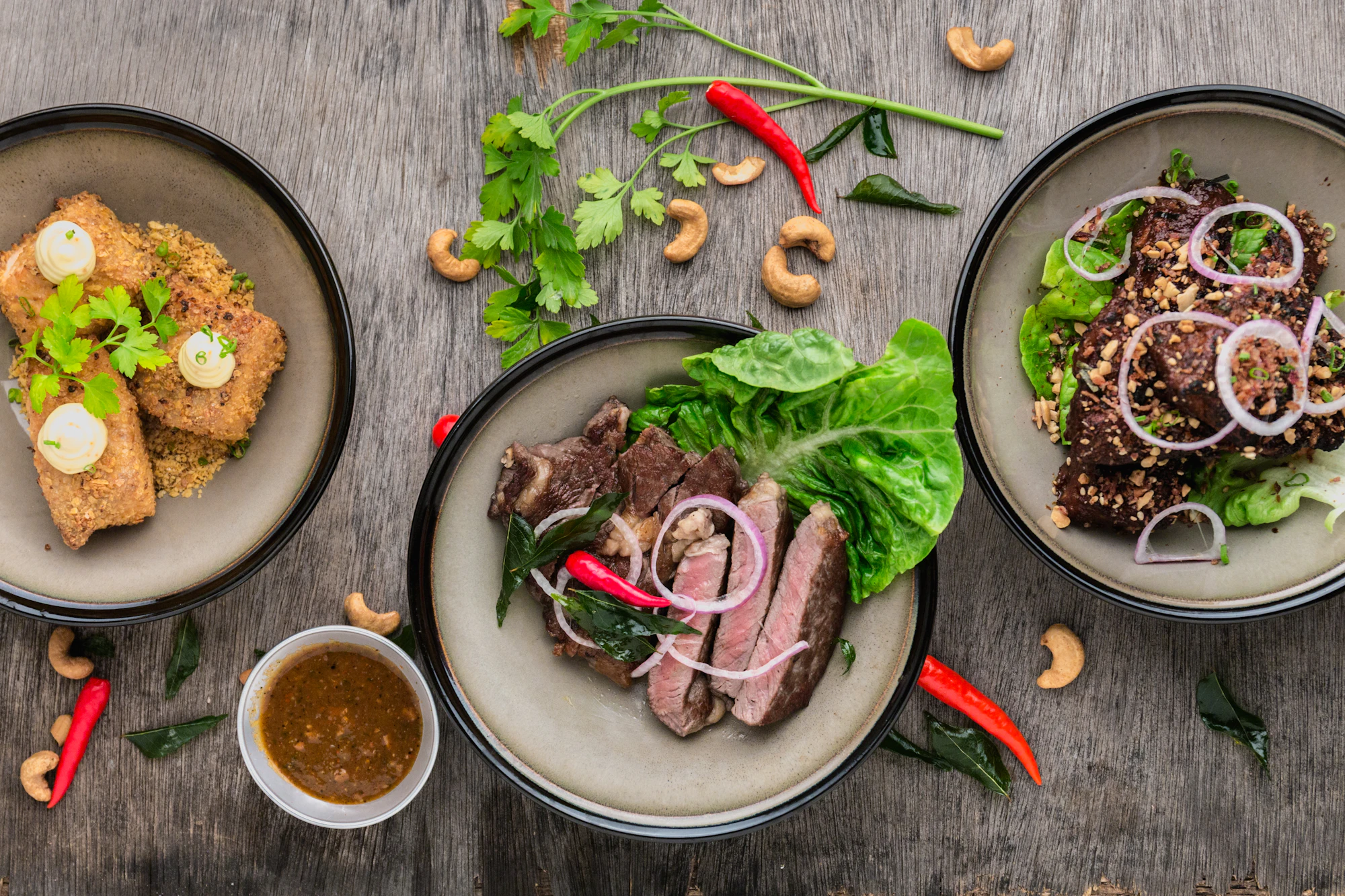
Balanced eating goes hand-in-hand with mindfulness. Aim for variety: half your plate with colorful produce, a quarter with lean proteins, and a quarter with complex carbs. This composition supports steady energy levels and is associated with reduced anxiety-driven cravings.
Track progress gently, perhaps with a journal noting how meals make you feel. Over time, this builds awareness of patterns, like how caffeine exacerbates anxiety. Adjust accordingly, and remember consistency trumps perfection.
To make these strategies stick, focus on realistic steps suitable for everyday life. First, set a no-distraction zone during meals: eat without screens to fully engage with your food. This may help reduce overeating by up to 20%, according to recent data.[3]
Second, practice gratitude eating: reflect on the journey of your food from farm to table. This shifts focus from stress to appreciation, fostering a positive relationship with nourishment.
Third, incorporate a weekly "craving check-in": note anxiety triggers and alternative comforts, like a short walk. These repeatable actions promote balance without overwhelming your schedule.
Gently caution: while these practices may help, they are not a cure-all. If anxiety persists, consult a healthcare professional. Avoid pushing too hard; listen to your body to prevent burnout. Overconfidence in quick fixes can lead to frustration, so progress at your own pace and be kind to yourself if a day slips.
As you weave these mindful eating and stress relief strategies into your life, you may notice a calmer mind, fewer cravings, and more joy in meals. Imagine starting your day with intention, ending it without regret, and feeling in control of your well-being. These small shifts can lead to profound changes, enhancing energy, mood, and habits that nourish both body and spirit.
Here's to your journey toward balanced eating and reduced anxiety in 2025 and beyond. Return to Wellness in Vogue for more insights that support your vibrant life, and consider subscribing to keep the inspiration flowing seamlessly into your routine.
Retreats Editor — she connects mindful travel with everyday well-being, weaving in breathwork, light rhythms, and easy movement so retreats leave you feeling renewed.