Discover how 2025 WHO research reveals gut tweaks slashing depression symptoms and igniting emotional vitality. Simple microbiome shifts could transform your daily mood.


Picture starting your day with a heavy fog over your thoughts, where even routine chores like making coffee feel exhausting. For so many, this describes the grip of depression symptoms, which sap emotional vitality and turn vibrant moments dull. You may believe that mental health issues are purely psychological, fixed only by therapy or medication. Yet, a widespread misconception holds that our gut has little to do with our mood. Science now reveals a deeper interplay, where the gut microbiome influences emotional well-being in surprising ways.
The gut microbiome refers to the vast ecosystem of bacteria, fungi, and other microbes in our intestines. These organisms help digest food, regulate immunity, and communicate with the brain via the gut-brain axis, a network of nerves and chemicals linking digestion to mood. Recent studies suggest that supporting this microbiome can ease depression symptoms and enhance daily emotional energy.
This year, a pivotal study supported by the World Health Organization delved into the microbiome's role in mental health. Published in a respected immunology journal, the research followed participants with mild to moderate depression over several months, tracking microbiome changes alongside mood metrics[1]. The results were encouraging: those who made targeted gut adjustments saw notable drops in symptoms like persistent sadness and fatigue, with some reporting up to 20% gains in emotional vitality scores.
Central to the findings were metabolites like short-chain fatty acids, byproducts of microbial fermentation in the gut. These compounds cross the blood-brain barrier and modulate inflammation, a factor often elevated in depression. Lower microbial production of these acids correlated with worse symptoms, while boosts from dietary shifts linked to improved resilience[1]. This builds on prior evidence, showing the microbiome as a modifiable lever for brain health.
Diversity emerged as another theme. A balanced mix of gut species, including protective ones like Lactobacillus, was tied to better stress handling and emotional steadiness. The study flagged how urban lifestyles, with their reliance on processed foods, often reduce this diversity, potentially fueling mood dips. By contrast, microbiome-nurturing practices restored balance and seemed to amplify daily positivity.
Importantly, the research emphasized holistic integration. Gut tweaks alone were helpful, but pairing them with standard care like counseling yielded the strongest outcomes. This underscores the microbiome as a supportive tool, not a solo solution.
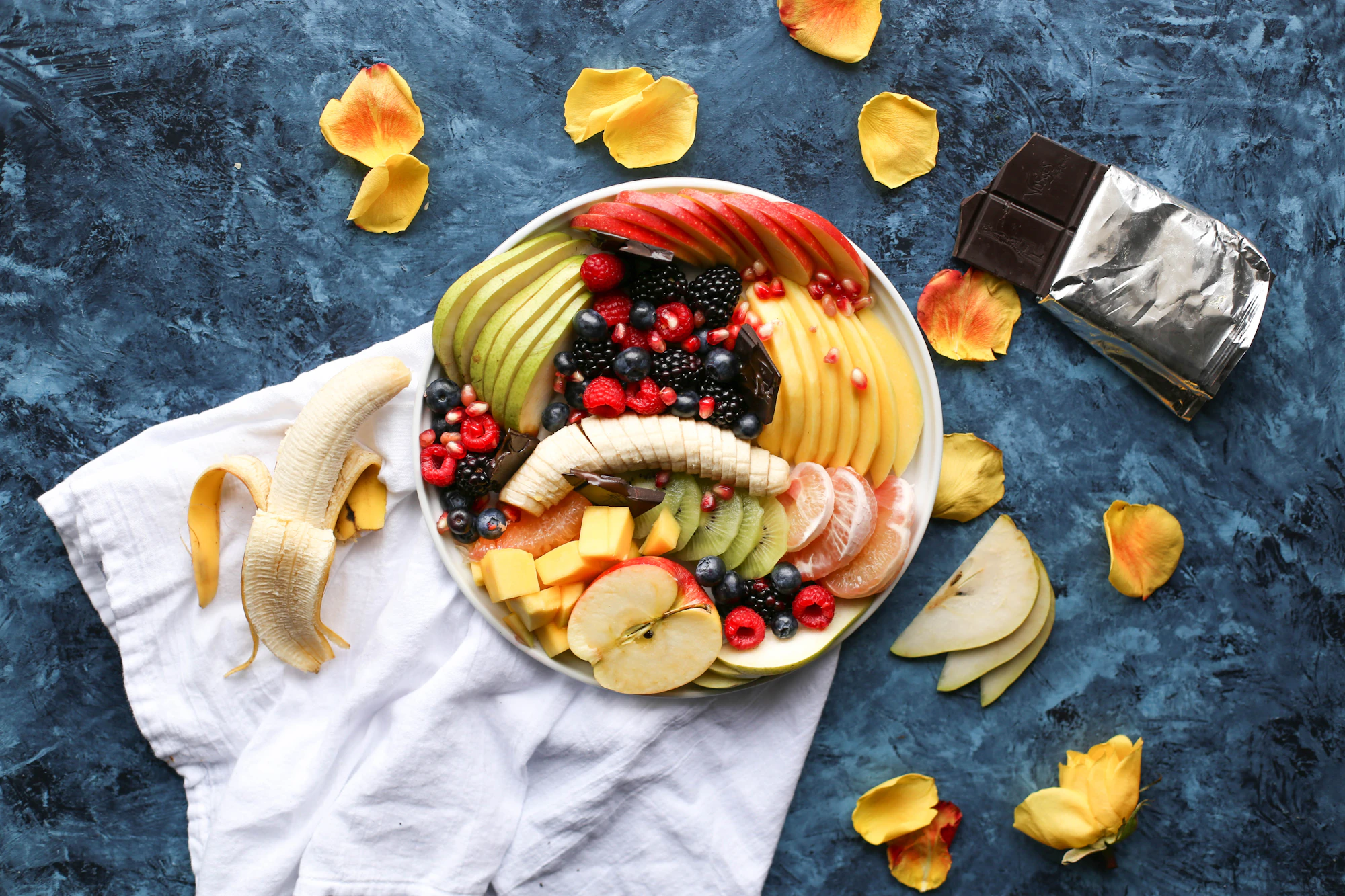
Bringing this science home starts with diet. Fiber acts as fuel for beneficial bacteria, encouraging them to produce those mood-friendly short-chain fatty acids. Foods like whole grains, legumes, and fruits are ideal. The study recommended 25 to 30 grams of fiber per day, which may gradually enhance emotional regulation[1]. Begin by adding a serving of beans to lunch or oats to breakfast; these swaps are simple and effective.
Probiotic-rich foods introduce live microbes to diversify your gut. Natural yogurt, miso, or kombucha can fit seamlessly into meals. Evidence associates consistent probiotic intake with reduced anxiety markers, though benefits depend on personal gut makeup[2]. Opt for plain options to skip excess sugar, which can feed less helpful bacteria.
Prebiotics, like inulin from chicory root or resistant starch in cooled potatoes, specifically nourish good microbes. Sprinkling onions or garlic into stir-fries provides these without fuss. Over time, such habits may foster a gut environment that supports clearer thinking and steadier moods.
Listen to your body during changes. Initial bloating is common with more fiber, but it often settles as your microbiome adapts. Hydrate well and increase intake slowly to make the process smooth.
Diet is powerful, but context counts. Exercise gently stimulates gut motility, helping microbes thrive. A brisk walk after eating can improve digestion and may indirectly lift emotional vitality by balancing the microbiome[3]. Aim for 20 to 30 minutes most days, nothing intense.
Stress, meanwhile, disrupts microbial harmony by altering gut pH and diversity. Techniques like deep breathing or journaling activate the parasympathetic nervous system, promoting calm. The WHO-backed analysis found that stress reduction alongside gut strategies amplified depression symptom relief[1]. Even five minutes of mindfulness daily can make a difference.
Sleep quality ties in closely too. Disrupted rest shifts bacterial populations unfavorably, worsening mood. Prioritize consistent bedtimes and a dark, cool room. Herbal teas sans caffeine before evening may ease into slumber, supporting overnight gut repair.
Avoid common pitfalls: excessive antibiotics without need can wipe out good bacteria, so discuss with a doctor. Limit artificial sweeteners, as some studies link them to microbiome imbalances.
These steps are designed for real life, not perfection. First, audit your plate: aim to include one fiber-packed item per meal, like salad greens or quinoa. Track progress loosely, perhaps noting mood alongside meals. This may help cultivate habits that subtly boost daily energy[1].
Second, introduce a probiotic source weekly, rotating options like kefir one day and sauerkraut another. This variety mirrors the study's emphasis on diversity and is associated with calmer emotional responses over time[2]. If new to ferments, start with small portions to build tolerance.
Third, build a micro-routine: pair a short gut-friendly snack, like banana with nuts, with a breathing break. This combo supports digestion and stress relief, potentially easing low mood fog. Caution against over-reliance; if symptoms intensify, pause and consult a professional.
Fourth, monitor sleep-gut links by winding down with non-screen activities. Consistent patterns may enhance microbial stability and emotional lift[3]. Be patient results unfold gradually, often noticeable after four to six weeks.
Gentle reminders temper expectations: these practices support well-being but complement, not replace, therapy or meds. Personalize based on your needs, and seek expert input for tailored advice. Overconfidence in quick wins can lead to frustration, so celebrate small, steady progress.
As you weave these into your days, envision a lighter step, more present moments, and a resilient spark in your emotional world. Your gut could quietly pave the way to deeper vitality.
Keep exploring these evidence-based tips with us; subscribe to stay connected and inspired on your wellness journey.
Psychologist bridging science with daily life. Thoughtful advice on managing stress, finding focus, and creating repeatable habits you can trust.