Ever hit an afternoon slump craving junk? 2025’s tech unlocks precision hydration to sustain energy and tame hunger in your daily meals.

In today's fast-paced world, many of us battle persistent fatigue and sudden hunger pangs that derail our best intentions for healthy eating. You start the day energized, but by afternoon, you are reaching for coffee or sweets to power through. These moments feel all too familiar, yet they often stem from something as basic as how we drink water throughout the day.
A common misconception is that drinking eight glasses of water daily is the universal solution for everyone. While hydration matters, this one-size-fits-all approach overlooks individual needs influenced by activity levels, climate, and even meal composition. Recent advancements in precision hydration challenge this outdated advice, offering personalized strategies that align with your body's unique signals.
Precision hydration refers to tailoring water intake based on personal data like sweat rate, electrolyte balance, and daily energy demands. In 2025, technology is making this accessible, with apps and wearables providing real-time guidance. Emerging research highlights how these tech-driven water strategies can enhance energy levels and curb cravings, transforming meal planning from guesswork to science-backed routine.
Dehydration, even mild, affects cognitive function and physical performance. Studies show that losing just 1 to 2 percent of body water can impair focus and increase fatigue.[1] For meal planning, this means poor hydration often triggers false hunger signals, leading to overeating or poor food choices.
New research from 2025 emphasizes the role of hydration in metabolic efficiency. When adequately hydrated, the body better regulates blood sugar, which stabilizes energy and reduces cravings for high-sugar foods. A study published in the Journal of Nutrition found that participants using hydration-tracking wearables reported 20 percent higher sustained energy during the day and fewer impulse snacks.[2]
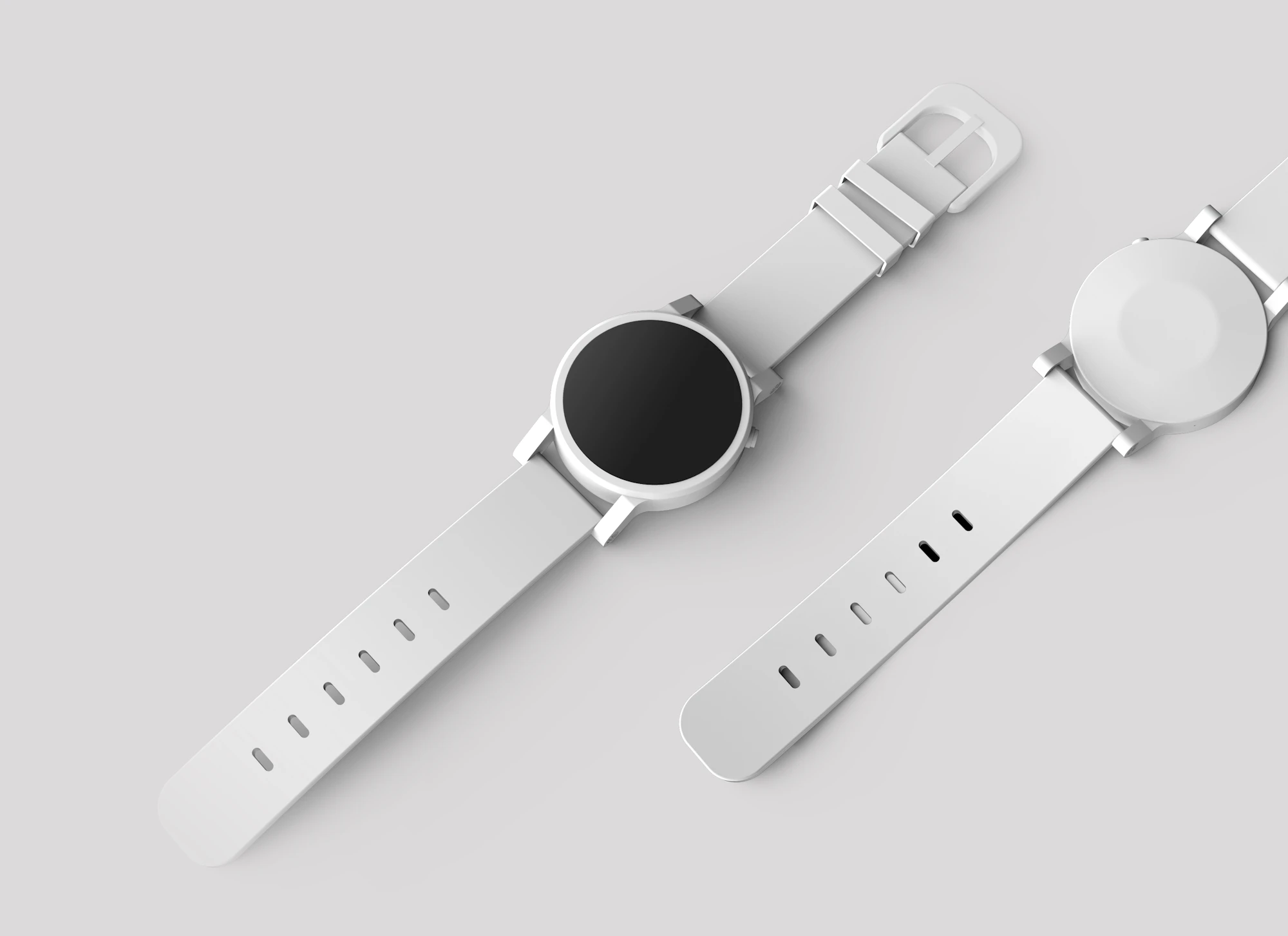
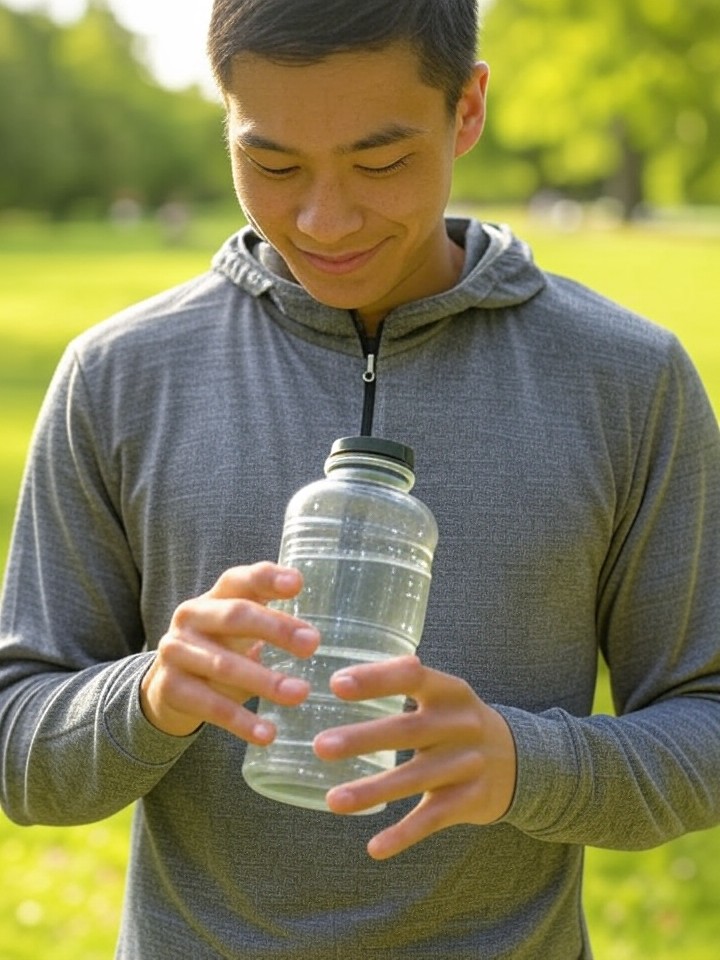
Technology amplifies these benefits. Devices like smart water bottles and apps integrated with fitness trackers measure intake and suggest adjustments based on your activity. For instance, if you are planning a high-protein meal, the app might recommend extra electrolytes to support digestion and prevent bloating, which can mimic hunger.
Incorporating technology into hydration does not require expensive gadgets. Start with free apps like Hydro Coach or WaterMinder, which use algorithms to customize reminders based on your weight, exercise, and location. These tools analyze weather data and personal inputs to predict needs, ensuring you are proactive rather than reactive.
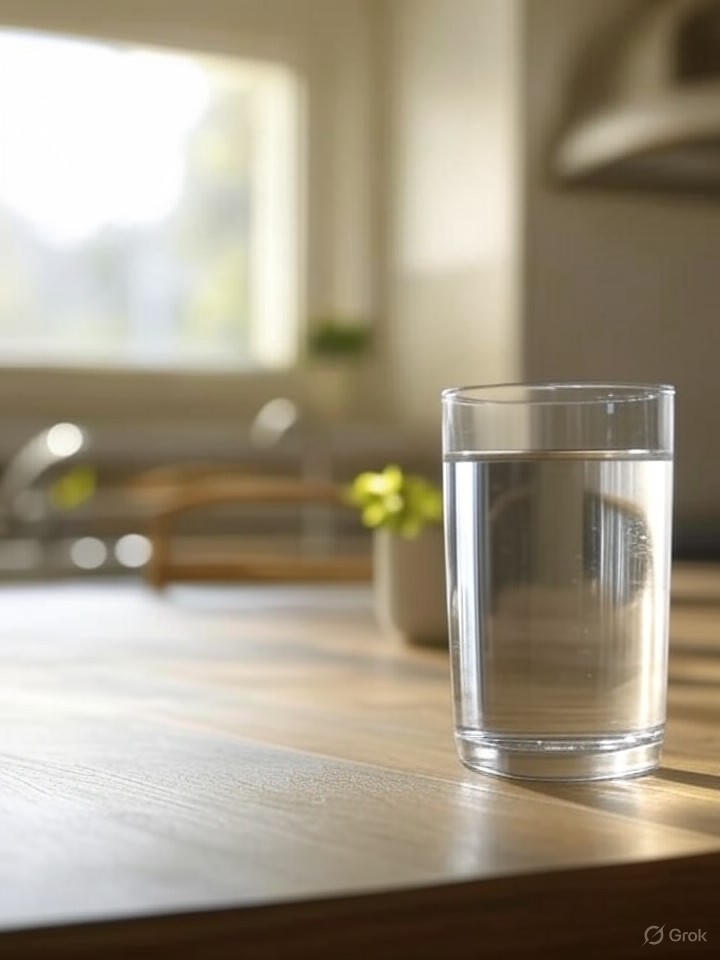
For energy boosting, time your intake strategically. Research suggests sipping water consistently every hour maintains optimal hydration, unlike gulping large amounts sporadically.[3] Pair this with meal planning by logging your daily menu in the app; it can flag potential dehydration risks from high-sodium or caffeinated items.
Addressing cravings, infused waters with natural flavors like cucumber or lemon may enhance satisfaction. A 2025 trend report notes that functional beverages with added electrolytes are surging in popularity, as they hydrate while providing subtle energy without calories.[4] Use tech to track how these affect your appetite over time.
Meal planning in 2025 is evolving with precision hydration at its core. Begin by assessing your baseline needs using a simple sweat test app or wearable. This data informs how much water to allocate around meals. For breakfast, aim for 16 ounces upon waking to kickstart metabolism and set a stable energy tone.
Lunch and dinner benefit from pre-meal hydration. Drinking 8 to 12 ounces 30 minutes before eating may reduce calorie intake by 13 percent, according to a recent meta-analysis.[5] This strategy suppresses appetite without sacrificing nutrition, making it ideal for portion control.
Technology bridges the gap between planning and execution. Smart kitchen scales paired with hydration apps can suggest water adjustments based on meal ingredients. High-fiber meals, for example, require more fluids to aid digestion and prevent energy dips from constipation.
To make these strategies repeatable, start small. Set phone reminders for hourly sips, aiming for half your body weight in ounces daily as a general guide. Track energy and cravings in a journal or app to identify patterns, adjusting as needed.
Gentle caution: Overhydration can dilute electrolytes, leading to hyponatremia, a rare but serious condition. Listen to your body; thirst and urine color (pale yellow is ideal) are reliable indicators. Avoid forcing intake if you are not active, and consult a doctor if you have kidney issues.
For meal prep, incorporate hydration checkpoints: a glass before cooking, another while chopping, and one post-meal. This routine not only sustains energy but also makes healthy eating feel effortless and enjoyable.
As you weave precision hydration into your routine, expect clearer focus, steadier moods, and fewer battles with cravings. Imagine powering through your day with natural vitality, your meals nourishing without the guilt of unplanned indulgences. These small, tech-supported shifts can lead to profound improvements in how you feel and function.
References:
Stay tuned to Nutrition for more insights on blending science with daily habits, and consider subscribing to keep these wellness updates flowing into your inbox seamlessly.
Retreats Editor — she connects mindful travel with everyday well-being, weaving in breathwork, light rhythms, and easy movement so retreats leave you feeling renewed.