Post-pandemic, did reopening schools slash kids' therapy needs and spark emotional rebounds? 2025 research reveals surprising healing power of classrooms.

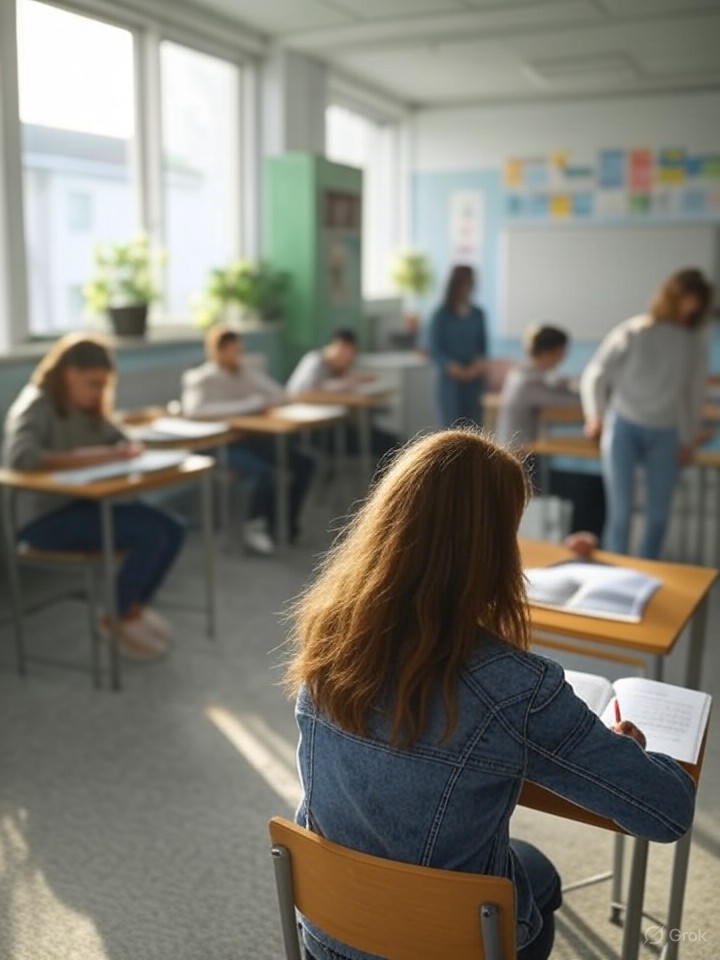
As the echoes of pandemic isolation fade, many parents still carry the weight of watching their children struggle with anxiety, disrupted sleep, and a world that feels unsteady. The abrupt shift to remote learning stripped away peer bonds, playtime, and predictable days, leaving emotional gaps that lingered long after lockdowns ended. Families worried that plunging back into crowded classrooms would heighten stress, spark bullying, or overwhelm kids already on edge. Yet, a widespread misconception persists: that school reopenings merely added to the chaos, rather than easing it.
Evidence from 2025 tells a different story. Far from worsening mental health, the return to in-person education marked a turning point, slashing the need for therapy and accelerating emotional recovery for many young people. This shift, backed by fresh global studies, underscores how structured social settings can heal pandemic wounds. In plain terms, schools didn't just teach math and reading; they rebuilt resilience. Below, we'll unpack the science and share simple, everyday steps to help families build on this progress.
Scientists have now pieced together a clearer picture of youth mental health after schools reopened. A major review published in Current Psychiatry Reports examined global data, revealing that mental health challenges eased for many children and teens once in-person learning resumed.[1] Rates of anxiety and depression dipped, and overall well-being rose, particularly in the months following reopenings.
This wasn't uniform across all groups. Younger children, often hit hard by lost playdates, showed quicker rebounds through renewed friendships. Teens, facing identity pressures amid isolation, benefited from group dynamics that fostered a sense of belonging. The research highlights age as a factor: elementary-aged kids prioritized social play, while high schoolers gained from academic structure and extracurriculars.[1]
Gender patterns surfaced too. Girls reported some ongoing hurdles tied to social comparisons online, yet in-person interactions helped mitigate these. Boys often saw mood lifts from team sports and physical outlets. These nuances remind us that recovery is personal, shaped by individual experiences.
Perhaps the most encouraging data point is the sharp drop in therapy needs. A study highlighted in The New York Times in late 2025 noted that mental health appointments for children plummeted once schools fully reopened.[2] This trend held across regions, suggesting that the classroom itself acted as a preventive force.
Why the change? Schools offered built-in support systems. Counselors became more accessible, catching early signs of distress during recess or class transitions. Peer groups provided informal therapy, where kids shared pandemic stories and normalized feelings. Routines like bell schedules and lunch breaks restored predictability, which is linked to lower stress hormones in developing brains.[1]
For families stretched thin, this meant less scrambling for appointments. Yet, the studies stress that reduced therapy doesn't equal zero needs. Kids with severe pre-pandemic issues, like clinical depression, still required professional care. The key insight: Reopenings bridged gaps for the majority, but tailored support remains vital for outliers.
Emotional recovery post-reopening relied on several interconnected elements. Social reconnection topped the list. In-person settings allowed for non-verbal cues, hugs, and collaborative play, which rebuilt trust and reduced loneliness. Research shows these interactions boost oxytocin, a hormone associated with bonding and calm.[1]
Physical activity surged too, with gym classes and playground time replacing sedentary screen hours. Movement is tied to better emotional regulation, as it clears mental fog and elevates mood. Optimism also played a role; predictable school days fostered hope, helping youth process grief over lost time.
Family dynamics influenced outcomes. When parents maintained open communication, children felt safer expressing emotions. Inconsistent home discipline correlated with setbacks, while steady routines amplified school benefits. Together, these factors created a web of support, turning reopenings into a foundation for deeper healing.
You don't need a degree in psychology to extend these gains at home. Start small with structured downtime. After school, set aside 15 minutes for a low-pressure chat about the day. This mirrors classroom sharing and may help kids unpack emotions before they build up.
Encourage balanced tech habits. Limit social media to 30 minutes post-homework, opting for face-to-face alternatives like board games. Excessive online time is associated with heightened anxiety, so gentle boundaries can protect budding recovery.[1] If resistance arises, frame it as a team effort: "Let's all unplug together for family time."
Incorporate movement into evenings. A 20-minute family walk or dance session can release feel-good chemicals, much like recess. Keep it enjoyable to avoid it feeling like a chore.
Educators and parents can collaborate for even stronger results. Teachers, weave in brief connection rituals, such as morning circles where students share one positive. This simple practice may enhance emotional safety and reduce isolation.[1]
Parents, advocate for school programs like peer mentoring or yoga breaks. These align with research on social ties and activity as buffers against stress. At home, reinforce lessons by discussing conflict resolution: "How did you handle that playground disagreement?" Modeling calm responses teaches lifelong skills.
Gently caution here: These strategies support, but don't replace, expert help. If your child withdraws or shows sleep issues, reach out to a counselor promptly. Overconfidence in home fixes can miss deeper needs, so blend intuition with professional guidance.
To make these habits stick, track progress without pressure. A shared family journal, noting weekly wins like "enjoyed soccer practice," builds optimism. Prioritize sleep with consistent bedtimes, as rest is crucial for emotional processing.
Address homework wisely. Break tasks into chunks with short breaks, preventing burnout. Research links moderate academic loads to better mental health, so collaborate with teachers if overload looms.[1]
Finally, nurture your own resilience. A parent's steady mood influences the home vibe. Simple self-care, like a quiet coffee break, equips you to guide your child through ups and downs.
As you try these steps, envision brighter days: Your child laughing with friends, tackling challenges with poise, and sleeping soundly after a full day. The weight of worry may lift, replaced by pride in their growth. It's not overnight, but consistent, caring actions pave the way to thriving.
Discover more science-backed rituals for family wellness right here on Wellness in Vogue. Subscribe today to join our community and keep the momentum going.
Psychologist bridging science with daily life. Thoughtful advice on managing stress, finding focus, and creating repeatable habits you can trust.