You juggle messages, meals, and meetings, then collapse at night feeling wired and tired. When time and money are tight, the idea of a weeklong retreat feels like a fantasy. Here is the misconception I hear most: meaningful recovery requires a big trip and a big budget. In reality, short, well designed micro-retreats and hybrid retreats can deliver affordable, evidence-based benefits with built-in long-term mental health support. You can step into recovery without stepping out of your life.
What counts as a micro or hybrid retreat
A micro-retreat is a structured recovery session that lasts 30 to 180 minutes and happens close to home. It blends restorative practices like light exposure, gentle movement, breathwork, and reflection with simple boundaries such as a notification-free phone and a defined intention.
A hybrid retreat combines a short in-person experience with ongoing remote support. Think one half day outdoors followed by four to eight weeks of brief video coaching, app-guided sessions, or text-based check-ins. The goal is to pair a reset moment with practices that keep helping long after you return to your routine.
Why short, structured retreats work
Nature time quiets mental noise
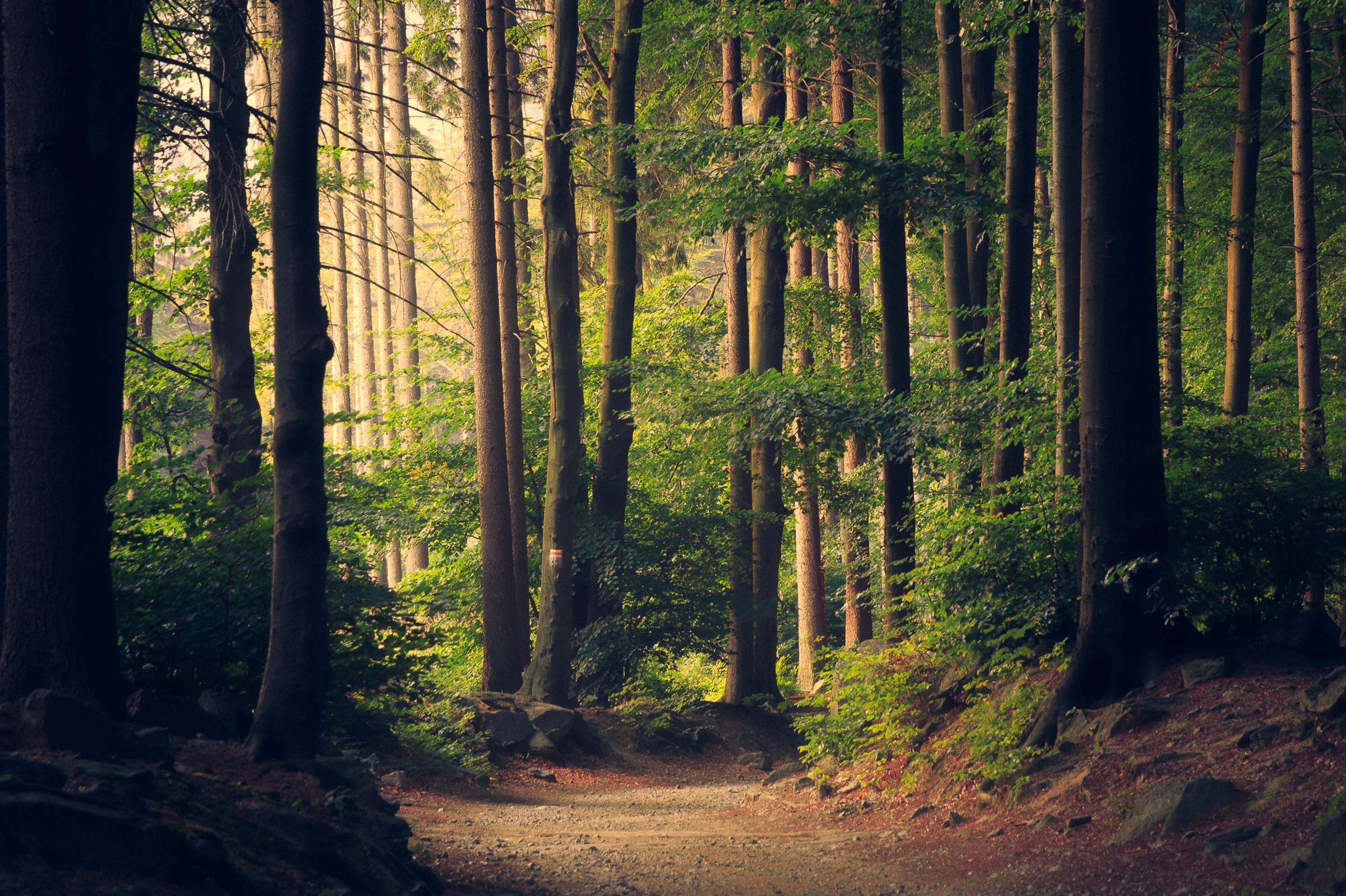
Even brief exposure to green spaces is associated with lower stress, reduced rumination, and better mood. Rumination means repetitive, sticky thinking that keeps attention locked on problems. A 90-minute nature walk has been shown to decrease activity in brain regions linked with rumination, which may help relieve mental load [1]. Larger reviews connect greenspace exposure with improved mental wellbeing across diverse populations [2].
Morning light steadies the body clock
Your circadian rhythm is the internal clock that organizes sleep, energy, and hormones across the 24-hour day. Morning light exposure helps anchor that clock, which may improve sleep quality and daytime alertness [3]. Time outdoors with natural light also nudges circadian timing toward an earlier, more stable schedule that can lift mood for many people [4]. Bright light therapy is an established aid for seasonal mood changes and shows promise for nonseasonal depression when used with guidance [5].
Slow breathing supports calm
Slow, diaphragmatic breathing at about six breaths per minute increases heart rate variability, a measure of flexible autonomic nervous system function. Higher variability is associated with greater stress resilience. Systematic reviews suggest slow breathing may reduce anxiety and improve emotional regulation [6]. Heart rate variability biofeedback, a coaching method that helps you practice optimal breathing, has shown benefits for stress and anxiety in clinical trials [7].
Light movement lifts mood
Consistent physical activity protects against developing depression, even at modest doses [8]. You do not need a long workout to feel a shift. A single bout of moderate activity is associated with a short-term boost in positive mood and energy [9].
People help people stay well
Social connection is a powerful buffer. Strong relationships are linked with better mental and physical health over time [10]. Hybrid retreats leverage that by pairing an in-person reset with small-group or one-to-one check-ins that keep you accountable in a warm and human way.
Long-term support can be remote and effective
Guided internet-based cognitive behavior therapy, a structured skills program delivered online with support, is effective for common mental health concerns [11]. Video-based psychotherapy performs similarly to in-person care across many outcomes, which makes follow-ups easier to maintain [12]. Collaborative or stepped-care models that coordinate brief coaching with clinical support when needed tend to improve outcomes and efficiency [13].
A simple blueprint you can repeat
Set a clear intention
Pick one theme: steady sleep, nervous system reset, or clarity for a decision. Keep the intention visible on a notecard. Clear intentions make habit formation easier by giving your brain a single target [14].
Design a 90-minute arc
- Minutes 0 to 10: Arrive. Silence notifications. Drink water. Take three slow breaths with extra-long exhales.
- Minutes 10 to 30: Light and movement. Get outside if possible. Face the morning sky without staring at the sun. Walk at a relaxed pace.
- Minutes 30 to 50: Breathwork. Sit or stand. Try 4 seconds in, 6 seconds out, for 10 minutes. Rest quietly for the remaining minutes.
- Minutes 50 to 70: Reflect. Write three lines on what feels lighter and what deserves your attention later. This preserves insights without spiraling into to-do mode.
- Minutes 70 to 90: Nourish and close. Eat a simple fiber-rich snack, drink water or tea, and choose one small action to repeat tomorrow.
Small, well-timed breaks during the day support performance and wellbeing. Micro-breaks of a few minutes are associated with less fatigue and better mood [15].
What makes a retreat hybrid
Hybrid retreats extend your gains by building a runway before and after the in-person session.
- Before: A 15-minute call sets intention, chooses a breathing practice, and picks a meeting place with natural light.
- During: A half day outdoors or in a light-filled room layers guided breathwork, mindful walking, and a realistic plan for the next four weeks.
- After: Weekly 20-minute video or phone check-ins, a private chat thread for questions, and a brief digital lesson that reinforces one skill at a time. Guided online programs can deliver clinically meaningful benefits when supported by a coach or clinician [11].
Affordable planning tips
- Choose free green spaces. City parks, waterfront paths, and arboretums offer restorative light and soundscapes without a fee [2].
- Go off-peak. Early mornings increase access to natural light and quiet, which may support restorative outcomes [3].
- Borrow or simplify gear. A blanket, water bottle, and layers are enough for most sessions.
- Use sliding scale providers or community-based coaching. Many practitioners offer short, lower-cost check-ins by phone or video that fit hybrid models [12].
- Set digital boundaries on your own. Reducing notification frequency has been linked with lower stress during busy periods [16].
Practical takeaways you can start this week
- Book two 90-minute micro-retreats on your calendar. Treat them like appointments. Keep the location within a 20-minute walk or drive.
- Anchor to morning light. Spend 10 to 20 minutes outside within two hours of waking on micro-retreat days and at least 5 minutes on other days [3].
- Use one breathing pattern. Try 4 seconds inhale and 6 seconds exhale for 5 to 10 minutes daily for four weeks [6].
- Walk before you talk. Begin coaching or check-ins with a 10-minute walk to prime mood and attention [9].
- Commit to one implementation intention. Example: If I finish lunch, then I will step outside for 5 minutes of light and a slow-breath reset [14].
- Build community. Invite a friend to the in-person session and share one win per week by text afterward. Social support is a meaningful amplifier [10].
Gentle cautions
- These practices support mental health but do not replace clinical care. Seek professional help for persistent or severe symptoms.
- Bright light can occasionally activate hypomania in bipolar spectrum conditions. Consult your clinician before using light therapy, keep sessions in the morning, and monitor mood [5].
- If breathwork causes dizziness, shorten sessions, slow the pace, or switch to relaxed nasal breathing. Avoid forceful techniques when pregnant or if you have cardiovascular concerns [6].
- Sun safety matters. Use shade, hats, and sunscreen as appropriate. Never stare directly at the sun.
- Start where you are. Increase time, intensity, and frequency gradually to avoid overuse injuries or burnout [8].
How hybrid retreats build long-term support
Change sticks when it is simple and social. A hybrid structure turns a single restorative morning into sustainable care by pairing one clear practice with scheduled follow-through. Guided internet-based programs and brief telehealth check-ins are effective bridges that meet you where you are, which removes friction and keeps momentum alive [11][12]. Add a buddy and an if-then plan and you have a small system that supports mood for months, not days [10][14].
The feeling you are working toward
Imagine ending your week grounded instead of scattered. Your sleep feels steadier, your mornings brighter, and your energy more even. Decisions seem clearer when your nervous system is calm and your body clock is anchored. Micro and hybrid retreats make that feeling available on regular days with realistic inputs: light, breath, movement, and a short conversation that keeps you on track.
I am cheering you on as you try this. Choose one intention, schedule one micro-retreat, and set one follow-up. If you stay with it for a month, you may notice a kinder mind, more reliable sleep, and steadier energy. If this approach helps, come back for new seasonal templates and packing lists, or subscribe so you never miss the next simple ritual that makes unplugging feel easy.
References
- Bratman GN, Hamilton JP, Daily GC, et al. Nature experience reduces rumination and subgenual prefrontal cortex activation. Proceedings of the National Academy of Sciences. 2015. https://www.pnas.org/content/112/28/8567
- Twohig-Bennett C, Jones A. The health benefits of the great outdoors: A systematic review and meta-analysis of greenspace exposure and health outcomes. Environmental Research. 2018. https://www.sciencedirect.com/science/article/pii/S0013935118303323
- Boubekri M, Cheung IN, Reid KJ, Wang CH, Zee PC. Impact of windows and daylight exposure on overall health and sleep quality of office workers. Sleep. 2014. https://academic.oup.com/sleep/article/37/7/1215/2558960
- Wright KP Jr, McHill AW, Birks BR, et al. Entrainment of the human circadian clock to the natural light dark cycle. Current Biology. 2013. https://www.cell.com/current-biology/fulltext/S0960-9822(13)00754-9
- Golden RN, Gaynes BN, Ekstrom RD, et al. The efficacy of light therapy in the treatment of mood disorders: A review and meta-analysis of randomized controlled trials. American Journal of Psychiatry. 2005. https://ajp.psychiatryonline.org/doi/full/10.1176/appi.ajp.162.4.656
- Zaccaro A, Piarulli A, Laurino M, et al. How breath-control can change your life: A systematic review on psychophysiological correlates of slow breathing. Frontiers in Human Neuroscience. 2018. https://www.frontiersin.org/articles/10.3389/fnhum.2018.00353/full
- Goessl VC, Curtiss JE, Hofmann SG. The effect of heart rate variability biofeedback training on stress and anxiety: A meta-analysis. Journal of Alternative and Complementary Medicine. 2017. https://www.liebertpub.com/doi/10.1089/acm.2016.0238
- Schuch FB, Vancampfort D, Firth J, et al. Physical activity protects from incident depression: A meta-analysis of prospective cohort studies. American Journal of Psychiatry. 2018. https://ajp.psychiatryonline.org/doi/10.1176/appi.ajp.2018.17111194
- Reed J, Ones DS. The effect of acute aerobic exercise on positive activated affect: A meta-analysis. Psychology of Sport and Exercise. 2006. https://www.sciencedirect.com/science/article/pii/S1469029205000540
- Holt-Lunstad J, Smith TB, Layton JB. Social relationships and mortality risk: A meta-analytic review. PLoS Medicine. 2010. https://journals.plos.org/plosmedicine/article?id=10.1371/journal.pmed.1000316
- Andersson G, Cuijpers P, Carlbring P, Riper H, Hedman E. Guided internet-delivered cognitive behaviour therapy for psychiatric disorders: A systematic review and meta-analysis. World Psychiatry. 2014. https://onlinelibrary.wiley.com/doi/full/10.1002/wps.20151
- Batastini AB, Paprzycki P, Jones AC, MacLean N. Are videoconference-based psychological interventions as effective as those delivered in-person? A meta-analytic review. Clinical Psychology Review. 2021. https://www.sciencedirect.com/science/article/pii/S0272735821000212
- Archer J, Bower P, Gilbody S, et al. Collaborative care for depression and anxiety problems. Cochrane Database of Systematic Reviews. 2012. https://www.cochranelibrary.com/cdsr/doi/10.1002/14651858.CD006525.pub2/full
- Lally P, van Jaarsveld CHM, Potts HWW, Wardle J. How are habits formed in the real world? European Journal of Social Psychology. 2010. https://onlinelibrary.wiley.com/doi/full/10.1002/ejsp.674
- Wendsche J, Lohmann-Haislah A. A meta-analysis on the effects of micro-breaks and other rest breaks on performance, well-being, and health. Ergonomics. 2017. https://www.tandfonline.com/doi/full/10.1080/00140139.2017.1402974
- Kushlev K, Dunn EW. Checking email less frequently reduces stress. Computers in Human Behavior. 2015. https://www.sciencedirect.com/science/article/pii/S0747563214003995