Struggling with food cravings in 2025? Discover simple dopamine detox strategies to reset your brain's reward system and unlock intuitive eating for lasting freedom.


In today's fast-paced world, it's easy to turn to food for comfort amid endless notifications and deadlines. You might grab a handful of chips during a stressful Zoom call or polish off a pint of ice cream after a long day, only to feel regret later. These moments highlight how food addiction can sneak into daily life, driven by our brain's reward system. A widespread myth is that dopamine detox diets demand total deprivation, stripping away all joy from eating. Truthfully, they aim to fine-tune your responses to food, empowering you to eat intuitively without the cycle of cravings and guilt.
Dopamine, a chemical messenger in the brain that influences pleasure and motivation, spikes with indulgent foods, reinforcing habits that feel hard to break. Recent insights from 2025 wellness trends suggest that targeted detox strategies may help reset these reward pathways, easing food addiction while nurturing intuitive eating practices where you respond to genuine hunger rather than habits.[1]
At its core, the brain's reward circuit thrives on dopamine releases that make eating enjoyable. Highly processed foods, loaded with sugar, salt, and fat, trigger outsized responses, akin to how addictive substances work. This can lead to tolerance, where everyday meals feel bland, pushing you toward more extremes.
Research supports the potential of detox approaches to counteract this. A Harvard Health analysis explains how reducing overstimulation allows dopamine sensitivity to rebound.[2] Meanwhile, a 2024 Cleveland Clinic review notes that short breaks from rewarding activities, including certain foods, are associated with diminished compulsive behaviors.[3] Studies on intuitive eating further show it correlates with lower addiction scores, as it prioritizes internal signals over external temptations.[4]
These findings translate to real benefits: less emotional eating and a restored sense of control, all without drastic measures.
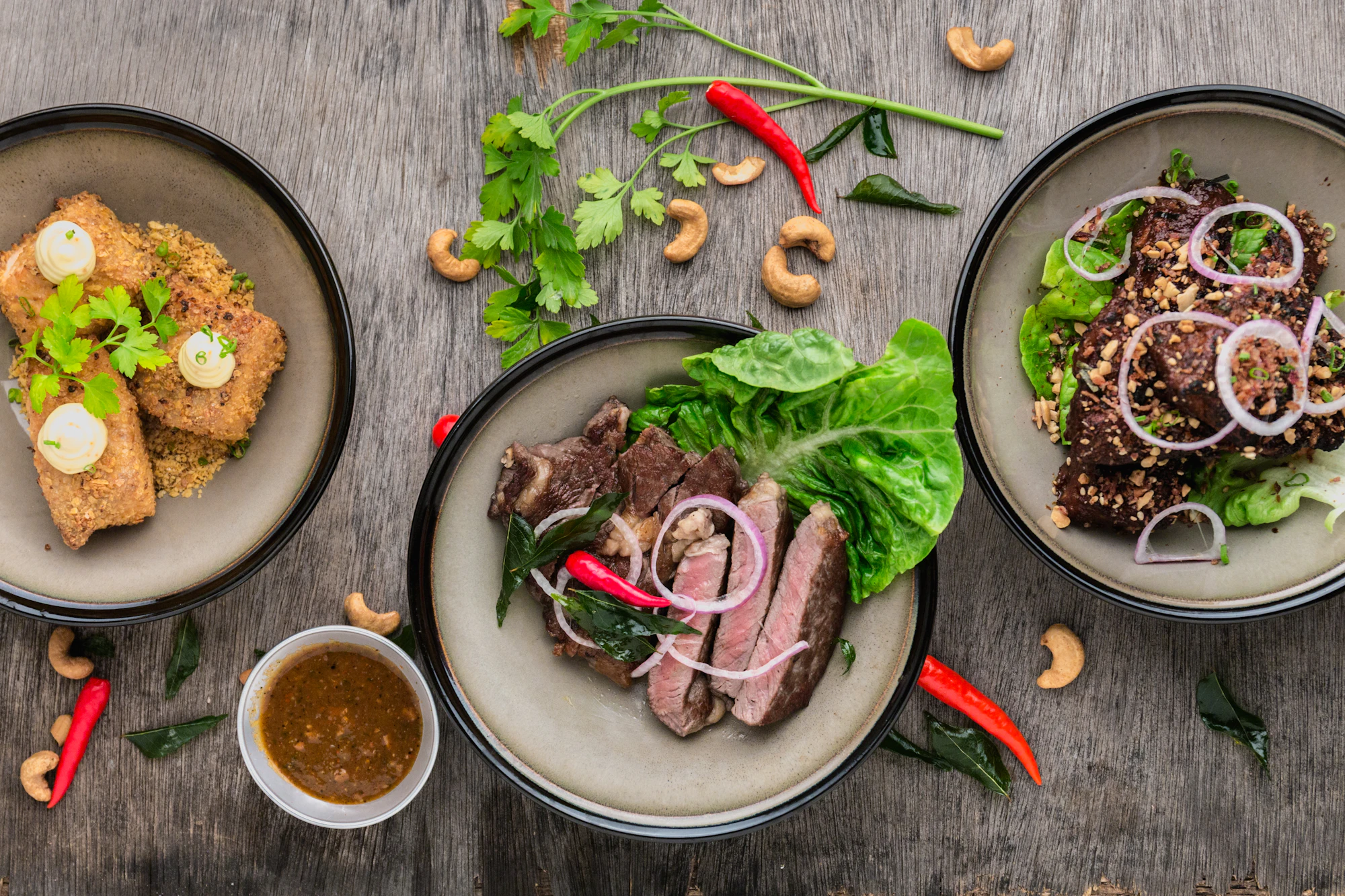
Dopamine detox diets emphasize moderation over elimination. The goal is a temporary shift to simpler foods, giving your palate and brain a break from intensity. Start with a 48-hour window of whole, unadorned ingredients like leafy greens, nuts, and whole grains. This may help recalibrate your taste, making natural flavors more appealing.
Post-detox, integrate intuitive eating by assessing hunger before meals and reflecting on satisfaction afterward. Evidence indicates this stepwise method supports lasting changes in reward processing.[5] It's flexible, fitting into varied lifestyles while building awareness of how foods truly affect you.
Implement these steps gradually to avoid overwhelm. Focus on accessibility, using common ingredients and routines.
Prep Your Environment
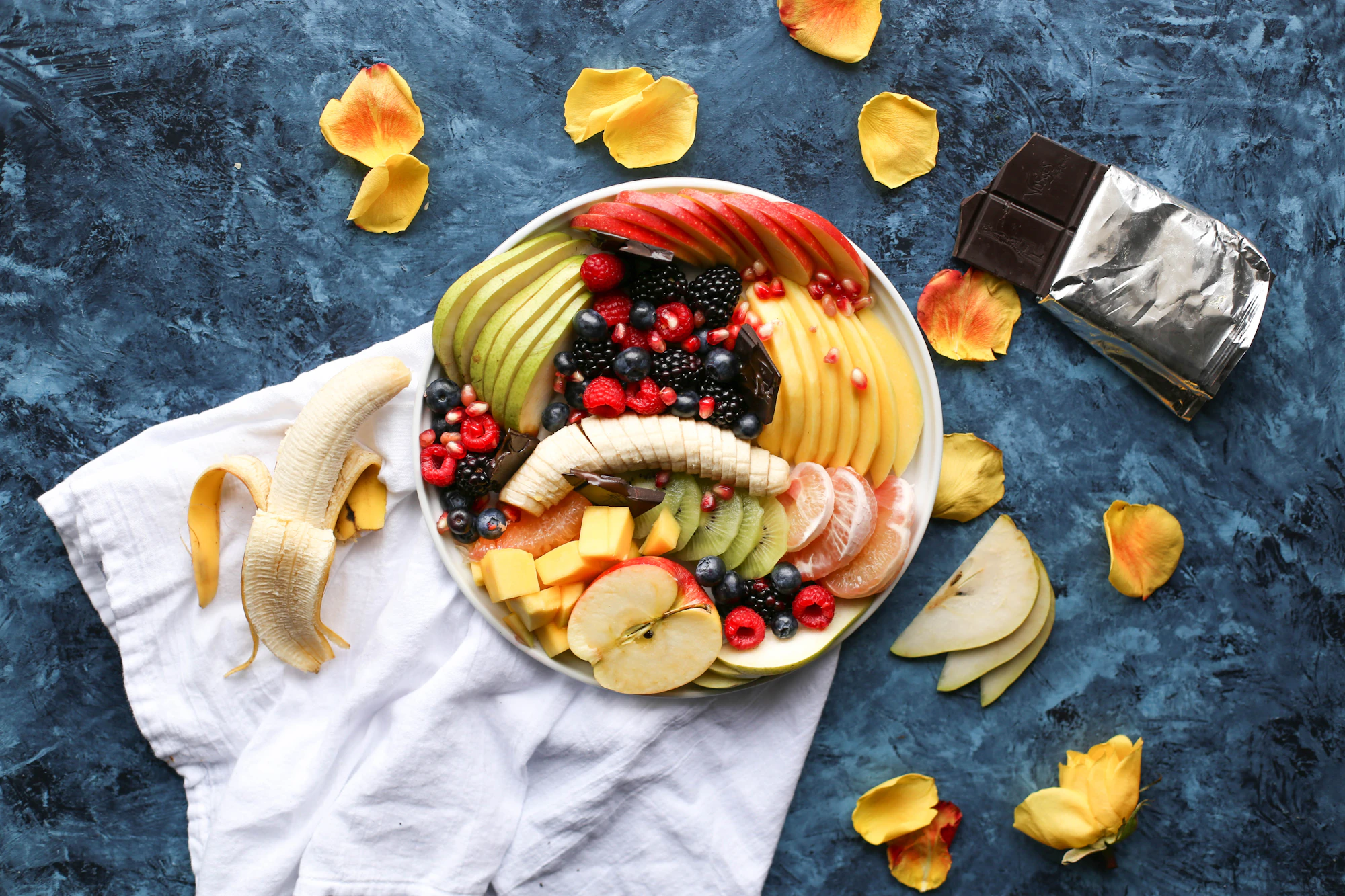
Clear out high-sugar snacks from easy reach. Stock up on items like apples, yogurt, and herbs. This setup reduces impulsive choices and eases the detox entry. Simple swaps, such as herbal tea over soda, can subtly lower stimulation without feeling restrictive.
Time Your Detox Days
Pick low-stress days, like weekends, for your initial reset. Aim for balanced plates: half veggies, a quarter protein, a quarter carbs. Hydrate well, as thirst often masquerades as hunger. This practice may help stabilize dopamine fluctuations, per nutrition studies.[6]
Track Without Obsession
Use a notebook to note pre-meal hunger levels. This promotes intuitive decisions, backed by research showing it reduces overeating episodes.[7]
Intuitive eating builds on detox by ditching rigid rules for body wisdom. It involves honoring hunger, respecting fullness, and choosing foods that satisfy. Long-term adopters report fewer addiction triggers and improved well-being.[8]
To sustain it, practice weekly reflections: What nourished me this week? Adjust based on insights, perhaps adding more fiber-rich foods to steady energy. Social support, like sharing meals with mindful friends, reinforces these habits.
Avoid common pitfalls by viewing slips as learning opportunities, not failures. This mindset shift is key to rewiring pathways toward sustainable joy in eating.
Takeaway 1: Weekly Reset Ritual
Dedicate one meal a day to detox-style simplicity, like a veggie stir-fry. It's repeatable and may help interrupt reward loops gently.
Takeaway 2: Pause and Plate
Before serving, wait five minutes to check true appetite. This everyday pause fosters intuition, associated with balanced intake.[9]
Takeaway 3: Savor Sessions
When reintroducing treats, eat them slowly in a calm setting. This amplifies pleasure naturally, reducing the need for excess.
Gentle Cautions
These strategies are tools for exploration, not quick fixes. If underlying issues like disordered eating exist, seek professional guidance to avoid unintended strain. Don't push detoxes too far; balance prevents rebound effects or overconfidence in results. Use them mindfully to honor your unique needs.
As these habits take root, envision mornings without sugar crashes and evenings content with lighter choices. You may feel more vibrant, attuned to your body's rhythms, and free from addiction's grip. Best wishes as you step into this empowering path, discovering the delight in intuitive, nourishing eats.
Keep exploring with us for ongoing inspiration on wellness journeys; subscribe to catch every update on simple shifts that spark big changes.
Retreats Editor — she connects mindful travel with everyday well-being, weaving in breathwork, light rhythms, and easy movement so retreats leave you feeling renewed.