Tired of stress sabotaging your diet? Uncover 2025's research-driven mindful eating trends that tame cravings, heal the gut-brain link, and transform daily meals into calm rituals.


In the rush of modern life, meals often become afterthoughts. You grab a coffee on the way to work, scarf down lunch at your desk, and mindlessly munch on snacks during late-night scrolling. This autopilot eating can lead to overeating, unexplained weight gain, and a nagging sense of guilt. Stress piles on, turning your stomach into knots and sparking intense cravings for sugary or salty treats. Many feel trapped in this cycle, wondering why healthy eating resolutions never stick.
A common misconception is that mindful eating requires hours of meditation or gourmet cooking skills. In reality, it is about bringing gentle awareness to your food and feelings, a practice accessible to anyone, anywhere.
Stress triggers the release of cortisol, a hormone that increases appetite for high-calorie foods.[1] This response, rooted in our survival instincts, now fuels modern cravings. The gut-brain axis, the bidirectional communication between your digestive system and central nervous system, plays a key role here. Emerging research shows that gut microbiota – the trillions of microbes in your intestines – influence mood, stress resilience, and even food choices.[2]
Poor diet from stress eating can disrupt this microbiome balance, leading to inflammation and worsened anxiety. Conversely, mindful practices may support a healthier gut-brain connection, potentially reducing emotional eating.
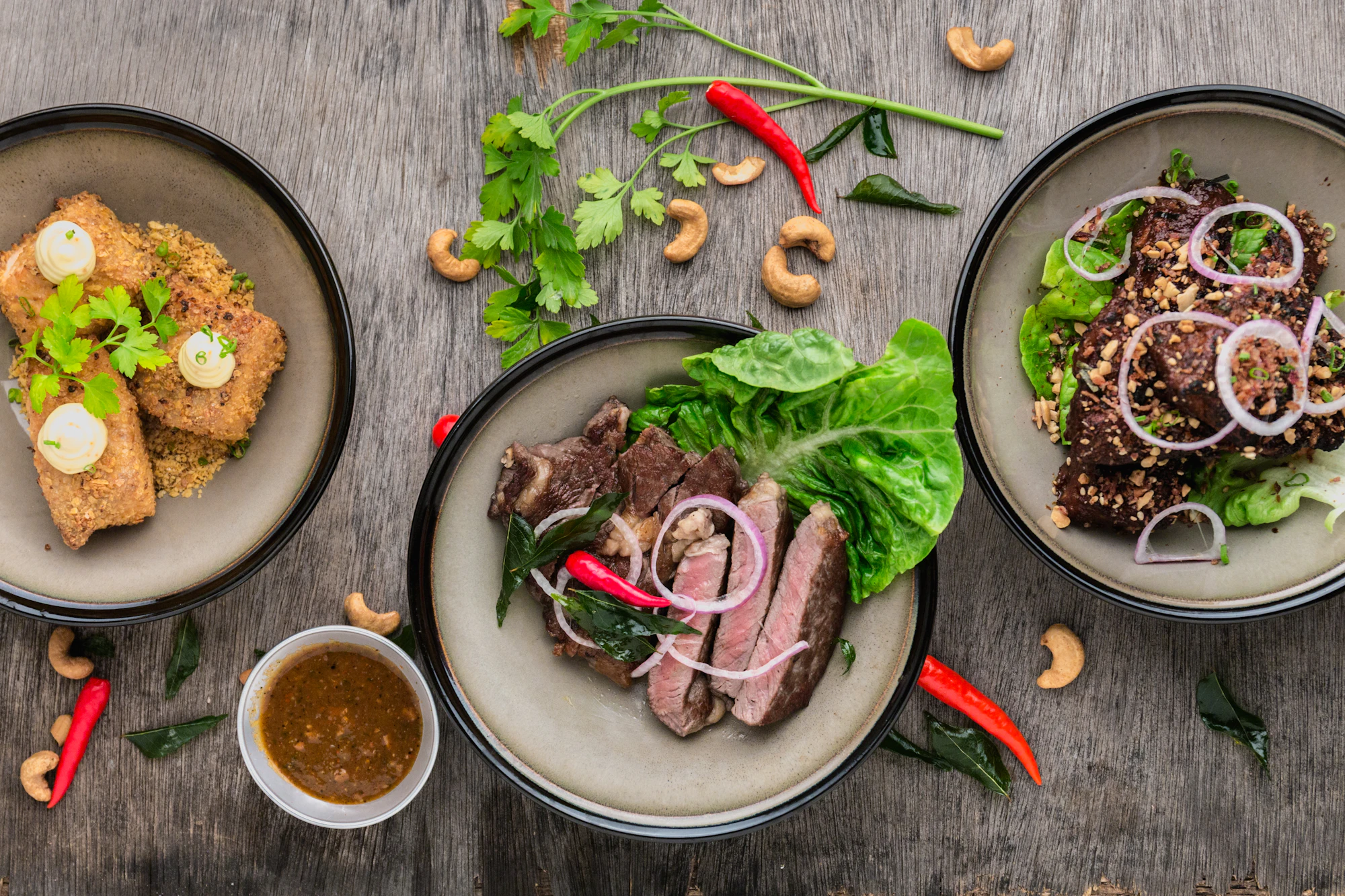
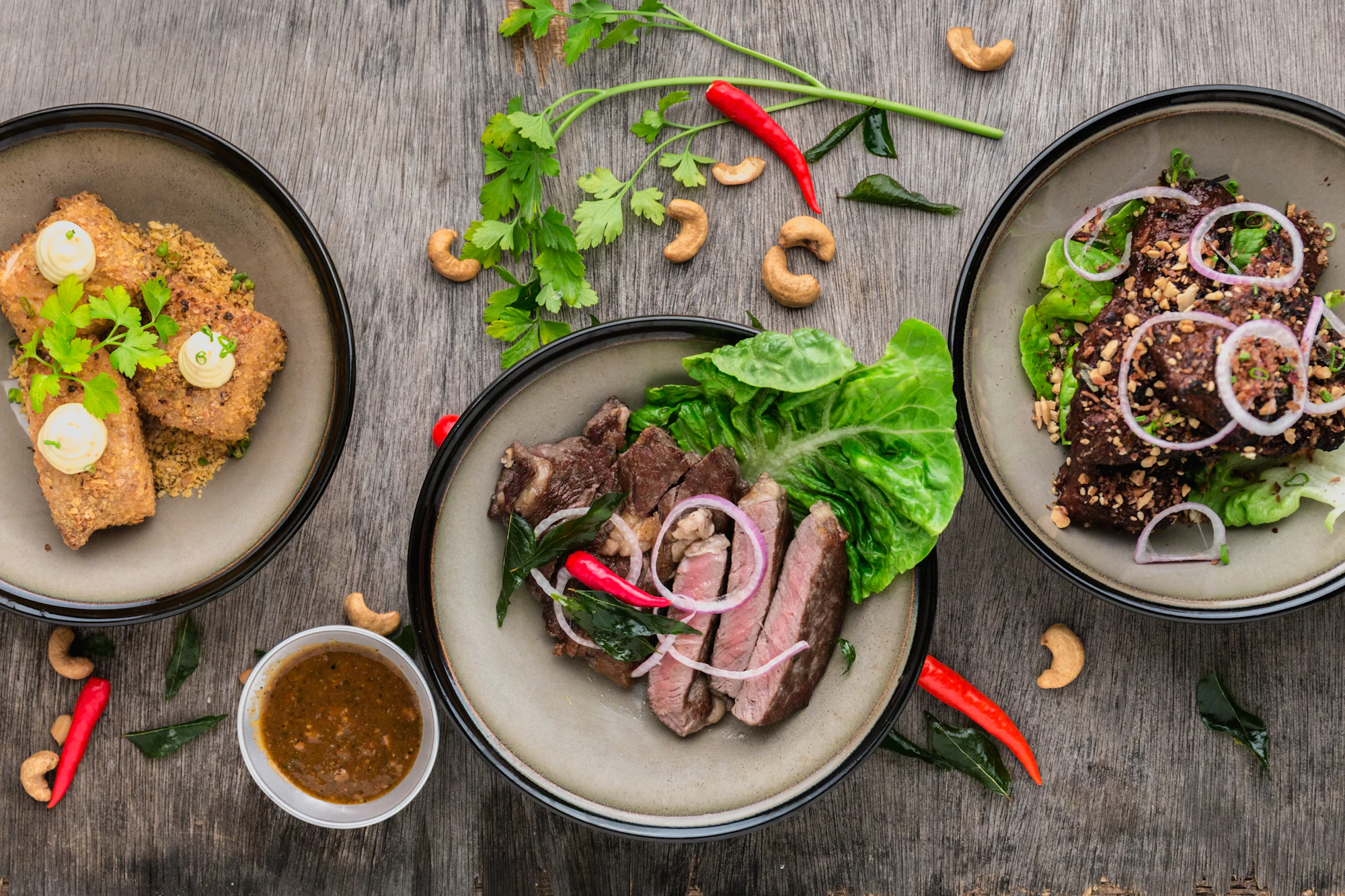
Mindful eating encourages savoring each bite without distractions. Start by eating without screens; focus on textures and flavors. Studies suggest this approach can decrease portion sizes by up to 20 percent while boosting satisfaction.[3]
Incorporate a simple ritual: Pause before meals to breathe deeply for 30 seconds. This signals your body to shift from fight-or-flight mode to rest-and-digest, enhancing nutrient absorption.
Pair eating with brief stress-relief methods. Try progressive muscle relaxation while sipping tea – tense and release muscle groups to ease tension. Research indicates such techniques lower cortisol levels, which may curb stress-induced cravings.[4]
Another strategy: Use aromatherapy from herbs like lavender or chamomile in your cooking. Their scents can promote relaxation, linking positive emotions to meals.
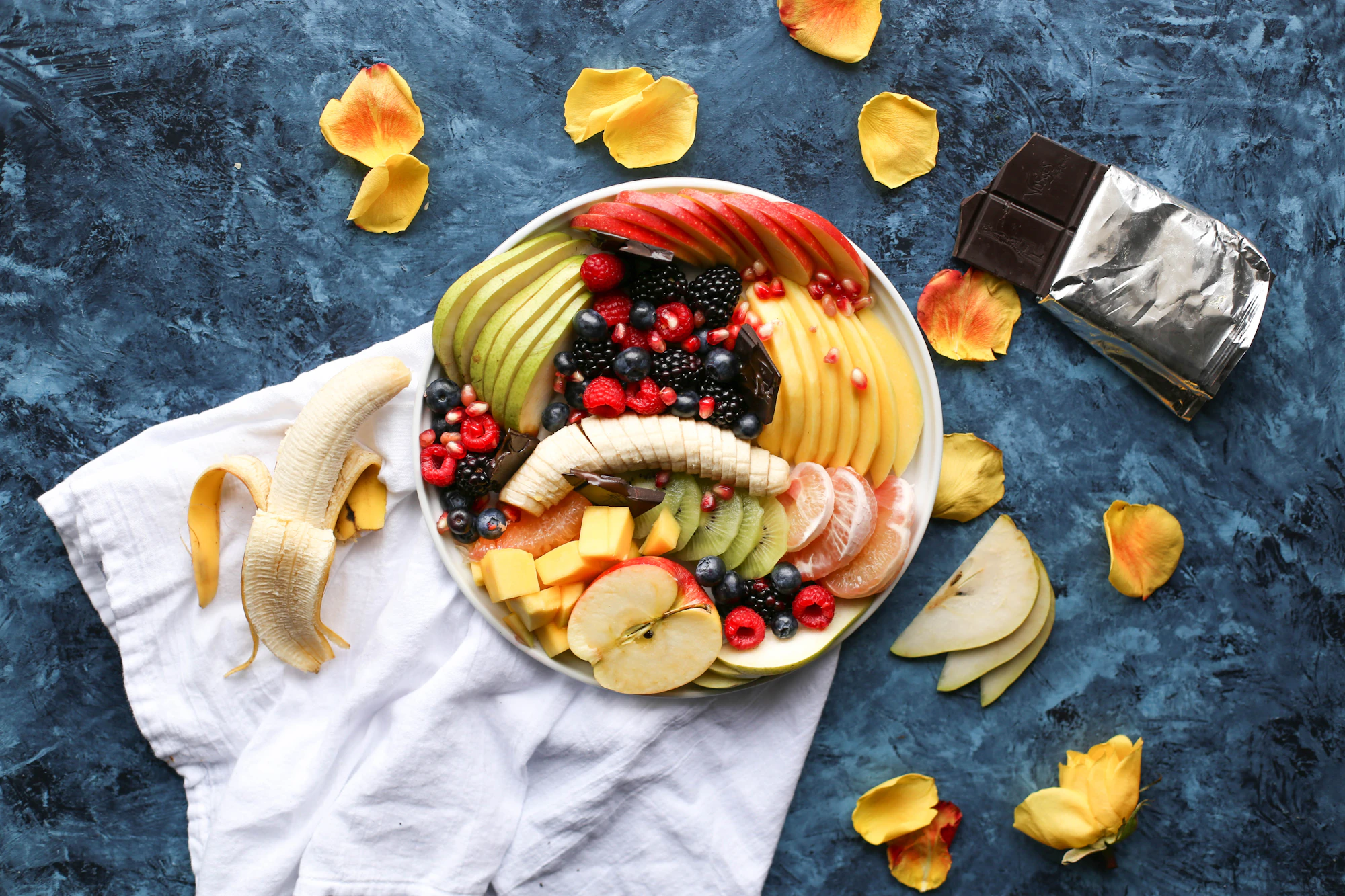
Focus on fiber-rich foods like oats, berries, and legumes to feed beneficial gut bacteria. Fermented items such as yogurt and kimchi introduce probiotics that support mental clarity.[5]
Omega-3 fatty acids from walnuts or salmon are associated with reduced inflammation in the gut-brain pathway. Aim for a colorful plate to naturally balance your microbiome.
Be mindful of portion sizes with fermented foods to avoid digestive discomfort, especially if you have sensitivities.
To combat cravings, identify triggers like boredom or fatigue. Keep a quick journal noting what you eat and how you feel. This awareness can reveal patterns, empowering change.
Hydrate first when a craving hits; thirst often masquerades as hunger. A 2025 study found that drinking water before snacks reduced calorie intake by 13 percent.[6]
Swap processed sweets for whole-food alternatives, like fruit with nuts. These provide steady energy without blood sugar spikes.
Start small: Choose one meal a day for mindfulness. Over time, this builds neural pathways for better self-regulation.[7]
Combine with gentle movement, like a post-meal walk, to amplify gut motility and stress relief. Avoid extreme diets; consistency over perfection yields lasting results.
Try these repeatable steps to integrate mindful eating and stress relief into busy days.
1. Practice the 3-Bite Rule: Fully engage with your first three bites – chew slowly and note sensations. This can enhance fullness signals from your gut to your brain.
2. Create a Craving Distraction Kit: Include herbal tea, a stress ball, or deep breathing exercises. Use it to pause before giving in to urges, giving time for the craving to pass.
3. Meal Prep Mindfully: Prepare foods with intention, visualizing how they nourish you. This fosters a positive gut-brain loop, making healthy choices feel rewarding.
These strategies are designed for everyday life, fitting into short breaks or routines. They may help without overwhelming your schedule. For best results, track how you feel and adjust gently. If you have underlying health conditions, consult a doctor or dietitian before major changes to ensure safety.
As you weave these trends into your routine, you may notice fewer cravings, more stable moods, and deeper satisfaction from meals. Stress that once derailed your eating habits might start to feel more manageable, leaving room for clarity and joy.
Picture yourself handling a tough day with a calming breath before lunch, or reaching for nourishing snacks that steady your energy. Small, consistent steps like these can lead to profound shifts in how you care for your body and mind.
Wellness in Vogue is here to guide you on this journey – subscribe for fresh strategies and stories to keep your wellness thriving.
Retreats Editor — she connects mindful travel with everyday well-being, weaving in breathwork, light rhythms, and easy movement so retreats leave you feeling renewed.