You're stuck in the diet cycle—starving for real change? Uncover 2025's mindful eating breakthroughs that tame cravings, sharpen instincts, and unlock joy in every bite.


Every January, millions of us vow to eat healthier, only to face the same cycle: restrictive diets lead to cravings, stress eating takes over, and by February, the motivation fades. According to a 2024 survey by the American Psychological Association, 65% of adults report emotional eating as a primary barrier to weight management.[1] This frustration is real, but there's hope. Mindful eating, the practice of paying full attention to the sensory experience of eating without judgment, offers a way out. A common misconception is that mindful eating means forcing yourself to savor every bite like a gourmet chef. In reality, it's simpler, focusing on tuning into your body's signals rather than rigid rules.
The mindful eating movement has gained momentum in 2025, backed by emerging research highlighting its role in sustainable wellness. Originating from mindfulness practices in Buddhism, it has evolved into a science-supported approach. A study published in the Journal of the Academy of Nutrition and Dietetics found that participants practicing mindful eating experienced a 20% reduction in binge eating episodes over 12 weeks.[2]
This revolution is timely as stress levels soar post-pandemic. The World Health Organization notes that chronic stress affects eating patterns globally, leading to impulsive choices.[3] Mindful eating counters this by fostering intuitive choices, where you eat based on hunger and satisfaction rather than external cues like ads or emotions.
Intuitive eating, a core component of mindful eating, emphasizes trusting your body's internal cues over dieting. Research from the University of North Carolina shows that intuitive eaters have lower BMI and better metabolic health.[4] This approach may help by reducing the cognitive load of constant calorie counting.
In practice, start by rating your hunger on a scale of 1 to 10 before meals. Eat until you reach a comfortable 6 or 7, stopping when satisfied. This simple habit is associated with improved portion control without feeling deprived.
Stress triggers cravings for high-sugar, high-fat foods through cortisol release, the body's stress hormone. A 2025 meta-analysis in Appetite journal revealed that mindfulness interventions reduced emotional eating by 15-25%.[5] Techniques like deep breathing before snacks can interrupt the autopilot response.
Try the "pause and plate" method: Before indulging, take three slow breaths and ask, "Am I hungry, or is this stress?" This pause may help differentiate true hunger from emotional needs, leading to healthier swaps like fruit over chips.
Sustainable habits form the backbone of long-term wellness. Unlike quick fixes, mindful eating builds resilience. Longitudinal data from Harvard's T.H. Chan School of Public Health indicates that consistent mindfulness practices correlate with a 30% lower risk of weight regain.[6]
Integrate habits like eating without distractions, such as turning off screens during meals. This enhances awareness and enjoyment, making meals more satisfying and reducing overeating.
Begin each meal by checking in with your body. Use a journal to note hunger levels. This repeatable practice may help you eat more mindfully over time. Caution: Don't stress if you forget; consistency builds gradually.
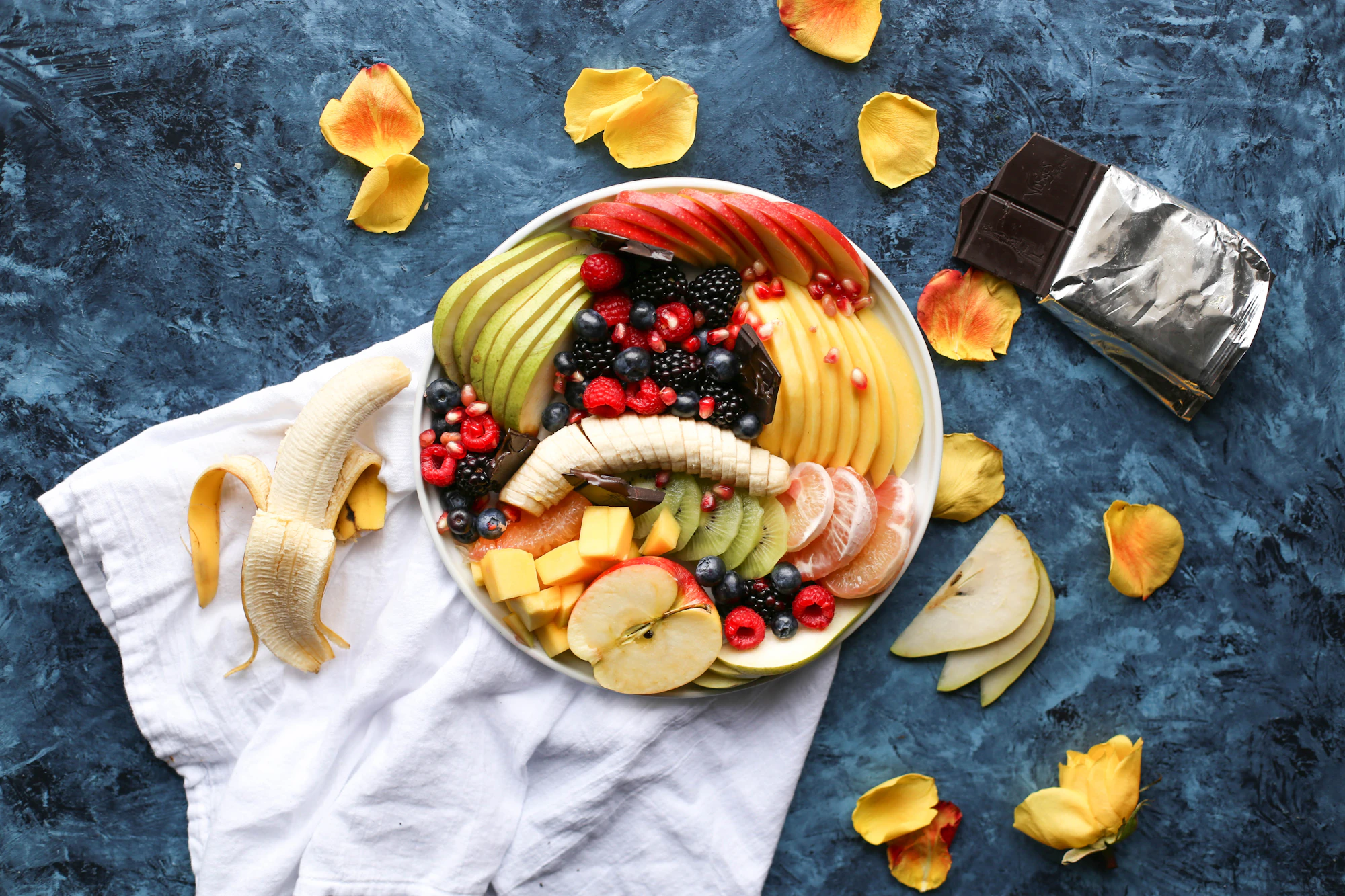
Choose snacks intentionally, savoring textures and flavors. For example, eat an apple slowly, noticing its crunch. This can curb mindless munching. Avoid overconfidence by pairing with non-food stress relievers like walking.
View "slips" as learning opportunities, not failures. Research suggests this reduces guilt-induced overeating.[7] Be gentle; perfectionism can backfire, leading to burnout.
Pair mindful eating with activities you love, like yoga. This holistic approach supports wellness without rigidity. Caution: Listen to your body to prevent overexertion.
As you weave these strategies into your routine, you will likely feel more in control and energized. Imagine finishing meals satisfied, not stuffed, and navigating stress without defaulting to the fridge. These changes may transform your relationship with food, fostering lasting vitality.
Stay tuned to Wellness in Vogue for more insights on mindful living. Subscribe to keep nourishing your wellness journey with us.
Retreats Editor — she connects mindful travel with everyday well-being, weaving in breathwork, light rhythms, and easy movement so retreats leave you feeling renewed.