Tired of stress-driven snacking? 2025 studies reveal how intuitive eating curbs cravings and lifts your mood with simple, science-backed habits.


Picture this: it's the end of a long day, deadlines looming, and stress tightens your chest. You reach for that bag of chips or bar of chocolate, seeking solace in familiar flavors. Sound familiar? Many of us face this daily battle, where food becomes an emotional crutch amid work pressures, family demands, and endless notifications. These moments often lead to regret, weight fluctuations, and a strained relationship with nourishment.
Here's a common misconception: people think intuitive eating or mindful practices are reserved for the effortlessly zen or those with endless free time. In reality, 2025 research shows these approaches are practical tools for anyone, backed by science, helping to break the cycle of stress-fueled cravings without rigid rules or deprivation.
Mindful eating means engaging all your senses during meals, focusing on the present moment without judgment. Intuitive eating builds on this by honoring your body's natural hunger and fullness signals, rejecting diet culture's external guidelines. These practices encourage a gentle, non-restrictive way to eat, promoting satisfaction and balance.
Scientific studies in 2025 reveal intriguing ties between these eating styles and mental health. For example, higher adherence to intuitive eating is associated with improved mood, as it reduces the emotional toll of constant dieting[1]. Researchers suggest this happens because tuning into internal cues fosters self-trust, buffering against daily stressors.
Mindful eating may also lower anxiety by activating the parasympathetic nervous system, which calms the body's fight-or-flight response. A study from early this year found participants practicing mindful techniques reported 20% fewer mood swings linked to meals[2]. These benefits appear tied to decreased rumination on food choices.
Stress hormones like cortisol spike cravings for sugary or processed foods, creating a vicious loop. But intuitive practices can interrupt this. According to a May 2025 Frontiers in Nutrition analysis, mindful and intuitive eating mediate the relationship between mood and food intake, with exercise as a key factor[1]. Regular practitioners experienced fewer stress-induced urges, possibly due to heightened awareness of emotional versus physical hunger.
Another insight: combining these eating habits with moderate activity, such as walking, enhances mood regulation and curbs cravings. This duo is linked to better emotional resilience, as physical movement releases endorphins while mindfulness prevents impulsive eating[1]. While results vary, the evidence points to real potential for everyday stress management.
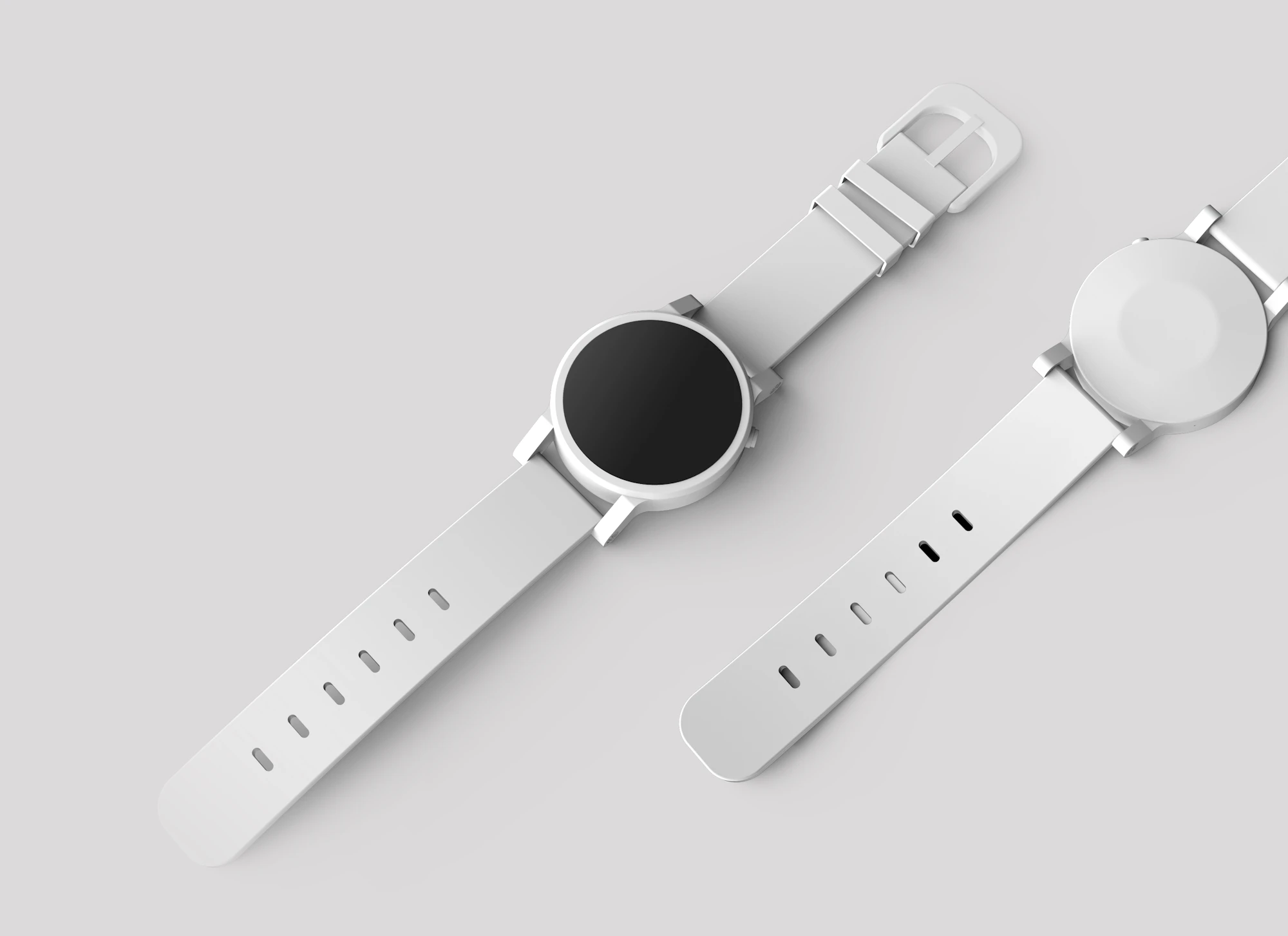
This year, mindful eating evolves with tech integration. Wearable devices now prompt users to check in with hunger levels via vibrations, making practices seamless. Virtual reality apps simulate serene eating environments, ideal for urban dwellers seeking calm amid noise.
Sustainability trends shine too, with "eco-intuitive" eating—choosing local, seasonal foods based on body signals and environmental impact. Community challenges on social platforms encourage sharing mindful meal stories, fostering accountability and inspiration.
Personalized nutrition plans, informed by gut microbiome tests, align intuitive eating with individual needs, reducing trial-and-error. These shifts make 2025 a pivotal year for accessible, science-driven habits.
Begin with the hunger-fullness scale: before eating, pause and rate your hunger from 1 (starving) to 10 (overfull). This quick tool, rooted in intuitive eating principles, may help you eat only when truly needed, potentially easing stress-related overeating.
Practice the "pause plate" method—set your fork down between bites to savor flavors. Studies associate this with slower eating and better satisfaction, which could reduce post-meal cravings[2]. Limit to main meals first to avoid frustration.
For stress relief, try a 5-minute pre-snack check-in: ask, "Am I hungry, or is this boredom?" If emotional, opt for a walk or deep breaths instead. Pairing this with herbal tea hydrates and soothes without calories.
Incorporate gentle movement, like stretching during breaks, to amplify benefits. Research indicates this combo supports mood stability and fewer cravings[1]. Track progress in a simple journal, noting how you feel after meals.
Remember, consistency matters more than perfection. If a day slips, resume without self-criticism—these habits build over time. Consult a registered dietitian if cravings persist, as they may signal underlying issues. Avoid forcing mindfulness during high-stress periods; start small to prevent burnout.
As you experiment with these mindful and intuitive strategies, you may notice clearer energy, steadier moods, and a renewed joy in eating. Imagine meals as nourishing pauses rather than battles, leaving you more resilient against life's curveballs. Wishing you gentle progress and delicious discoveries ahead.
Wellness in Vogue celebrates your journey—subscribe for fresh tips on intuitive living and return often to fuel your growth.
Retreats Editor — she connects mindful travel with everyday well-being, weaving in breathwork, light rhythms, and easy movement so retreats leave you feeling renewed.