Discover why irregular meals spike evening hunger and how 2025 research reveals simple spacing tricks to steady blood sugar and stop binges.


Picture this: You've had a decent day of eating, but as the clock strikes eight PM, an irresistible urge hits. You head to the kitchen for "just a little something," only to end up with a plate full of snacks that leave you feeling bloated and regretful. Evening overeating affects millions, often derailing weight goals, sleep quality, and daily energy. It's not just about late-night boredom or stress; it's frequently tied to how we've fueled our bodies earlier in the day.
Many believe that skipping meals or eating on the fly is a harmless shortcut to busier schedules. In reality, this irregular approach can destabilize blood sugar, amplifying hunger signals by evening. Fortunately, 2025 research offers a fresh perspective: strategic meal spacing and nutrient timing may help restore balance, reducing those unplanned binges without restrictive diets.
Blood sugar, or blood glucose, fuels your cells and brain. When meals are spaced poorly, glucose levels can swing wildly, prompting fatigue and intense cravings. Stable blood sugar, on the other hand, supports consistent energy and curbs the desire to overeat later.
Mindful nutrient timing involves aligning food intake with your body's natural rhythms, while meal spacing refers to the gaps between eating episodes, ideally every three to four hours. This method syncs with circadian rhythms, the 24-hour internal clock influencing hormone release and metabolism.
Studies this year highlight how even meal distribution fosters blood sugar equilibrium. For instance, eating every three to four hours is associated with fewer glucose fluctuations and better overall energy.[1] This regularity may dampen ghrelin, the hunger hormone, making evening portions feel more satisfying without excess.
In one 2025 analysis, participants spacing meals consistently showed a 20 to 30 percent drop in late-day overeating compared to those with erratic patterns.[2] Such habits are linked to enhanced insulin function, where insulin more effectively manages glucose uptake, preventing the crashes that fuel snacking.
Extending the overnight fast also emerges as a game-changer. Finishing dinner three to four hours before bed promotes metabolic repair and may lower next-day hunger.[3] Researchers note this could benefit anyone seeking to tame evening habits, not just those with diagnosed glucose issues.
Timing pairs powerfully with nutrient choices. Meals blending complex carbs, proteins, and fats provide gradual energy, avoiding the spikes from sugary or refined foods. Fiber from veggies and whole grains slows absorption, while proteins like eggs or legumes signal fullness to the brain.
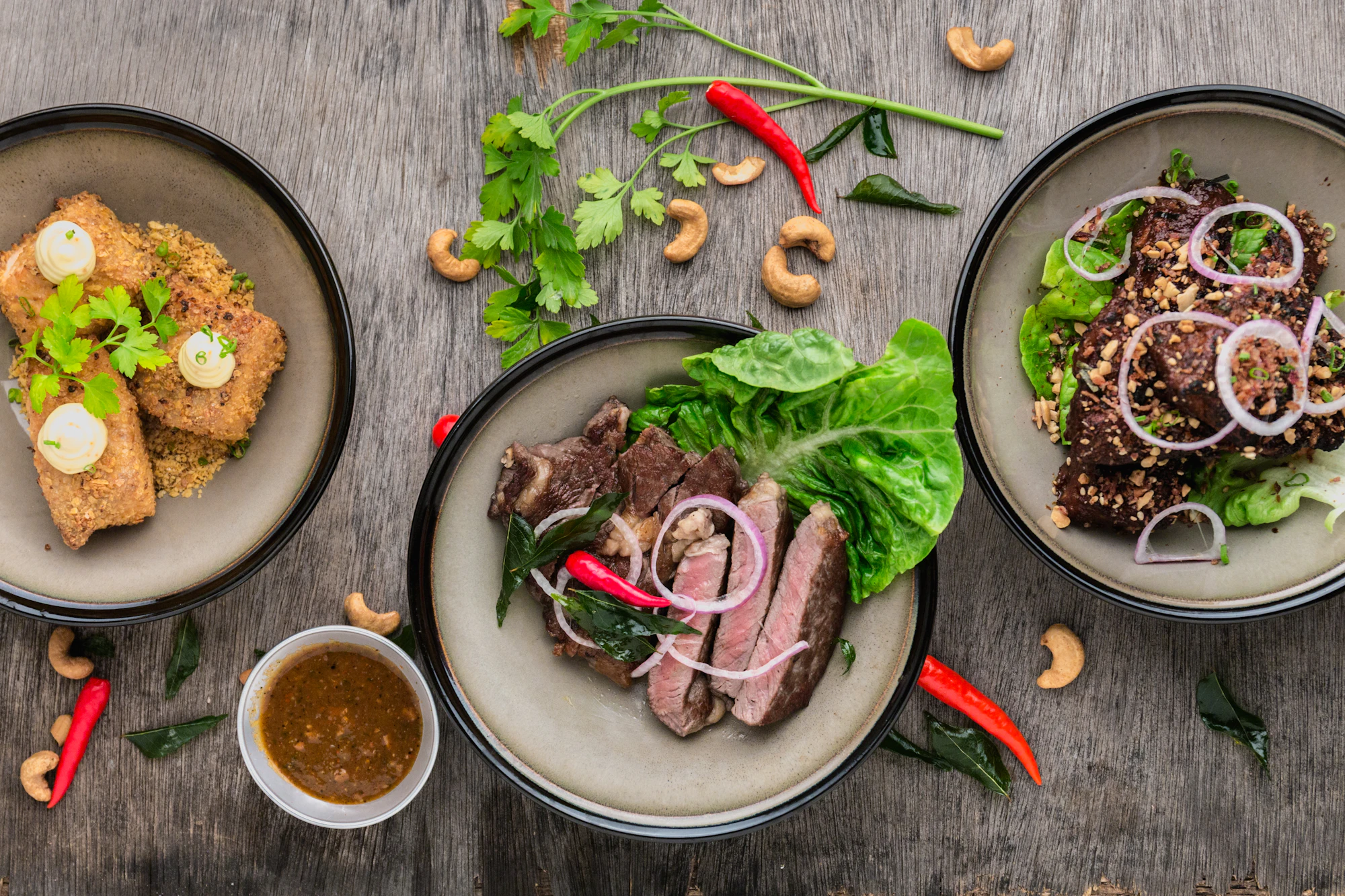
A 2025 review found that mornings anchored by balanced breakfasts correlate with reduced evening calorie intake.[1] Think avocado toast with eggs or a smoothie with spinach, yogurt, and nuts. For evenings, lighter fare like grilled chicken salad supports rest without digestive strain.
Start simple: Plan around your wake-up time. A breakfast within 60 minutes activates metabolism and sets steady glucose tones. Mid-morning, a snack bridges to lunch, preventing dips.
Lunch at midday fuels afternoon tasks. Include quinoa, salmon, and greens for sustained release. If needed, a three PM handful of nuts or fruit keeps things even until dinner.
Wind down meals early. A six or seven PM plate of stir-fried tofu with broccoli allows ample fasting time, aligning with findings on improved blood sugar control.[2]
1. Audit your routine: Note meal times for three days. Adjust to three to five windows, spaced 3 to 4 hours apart, for smoother energy.
2. Balance every bite: Aim for half your plate as veggies, a quarter protein, and a quarter whole grains. This mix may enhance satiety and glucose stability.
3. Front-load calories: Shift more intake to morning and midday. Research suggests this pattern reduces evening overeating risks.[3]
4. Stay hydrated and active: Sip water steadily and add a post-meal walk. Both support blood sugar without added food.
5. Prep ahead: Batch-cook components for easy assembly. This ensures consistency even on hectic days.
Remember, these are tools, not rules. Listen to your body; if constant spacing feels off, tweak as needed. Those with medical conditions should check with a doctor to personalize. Steer clear of viewing this as a quick fix, and combine with stress management for holistic results. Overdoing structure might lead to obsession, so keep it gentle and forgiving.
Embracing these shifts, you may discover evenings of calm contentment, with energy that carries you through mornings full of focus. Sleep deeper, wake refreshed, and savor the freedom from food fixation.
As you step into this mindful approach, here's to nourished days and serene nights ahead. Swing by Wellness in Vogue often for fresh ways to nurture your well-being.
References
(Word count: 1,156)
Retreats Editor — she connects mindful travel with everyday well-being, weaving in breathwork, light rhythms, and easy movement so retreats leave you feeling renewed.