Tired of energy crashes and junk food binges? 2025 research reveals how fiber-rich meals supercharge your gut, curb cravings, and deliver all-day vitality.

In the rush of modern life, many people battle relentless afternoon slumps, reaching for sugary snacks or caffeine to power through. These moments of low energy often lead to cycles of guilt after giving in to processed foods like chips or pastries. The frustration builds when quick fixes fail to deliver lasting relief. A widespread myth suggests that cutting carbs entirely or relying on energy drinks solves these issues. In truth, 2025s leading research underscores the role of gut health, particularly through consistent fiber intake, in smoothing out energy fluctuations and dialing down those persistent cravings.
Scientists in 2025 have deepened our understanding of the gut microbiome, the vast ecosystem of bacteria and microbes residing in the digestive tract. This community influences everything from nutrient absorption to hormone regulation.[1] Fiber, often called natures broom, feeds these microbes, encouraging them to produce compounds like butyrate that support steady energy release.
A key study from the American Journal of Clinical Nutrition found that increasing dietary fiber by 10 grams daily led to more stable blood sugar levels and a 25 percent drop in reported cravings for high-fat processed items over 12 weeks.[2] This stabilization occurs because fiber slows the absorption of sugars, preventing the rapid insulin surges that cause energy crashes.
Prebiotic fibers, such as those in garlic and onions, specifically target beneficial bacteria like Bifidobacteria. Research indicates that nurturing these strains may enhance mood stability by influencing the gut-brain axis, the communication pathway between digestion and mental well-being.[3] Low fiber diets, common in urban settings, contribute to a fiber gap that disrupts this balance.
Processed foods dominate convenience-driven diets, but they often strip away essential fibers while adding emulsifiers and sugars that harm gut lining integrity. A 2025 analysis in Nature Reviews Microbiology linked regular consumption of these items to reduced microbial diversity, fostering an environment where harmful bacteria thrive and amplify hunger signals.[4]
This imbalance can heighten sensitivity to sweet and salty flavors, making whole foods seem bland by comparison. Over time, it perpetuates a loop of unstable energy, as the body craves quick hits of dopamine from junk rather than sustained nourishment.
Transitioning to fiber-rich options restores equilibrium. Vegetables like broccoli provide sulforaphane, a compound that supports detoxification alongside fiber, potentially easing the bodys burden from processed residues.[5]
Effective meal planning starts with variety to ensure broad nutrient coverage. Target 28 grams of fiber per day for women and 34 for men, building up gradually to sidestep initial discomfort like gas.
Begin mornings with a smoothie blending spinach, berries, and flaxseeds. This mix offers both soluble fiber, which gels in the gut for fullness, and insoluble types that promote movement. Such starts may help maintain focus until lunch without the typical 10 a.m. dip.
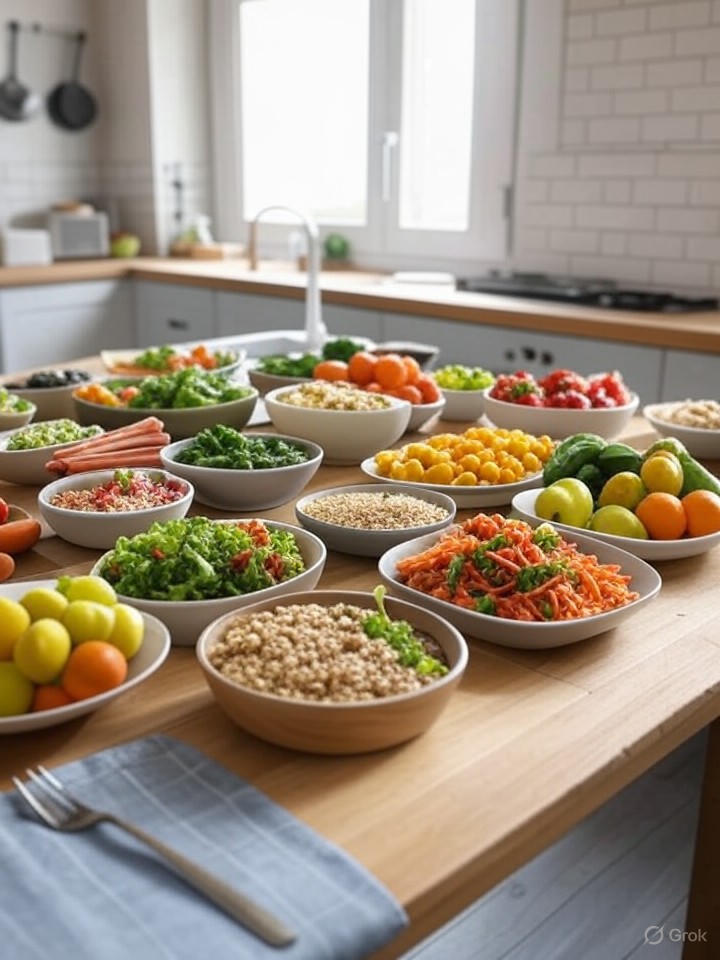
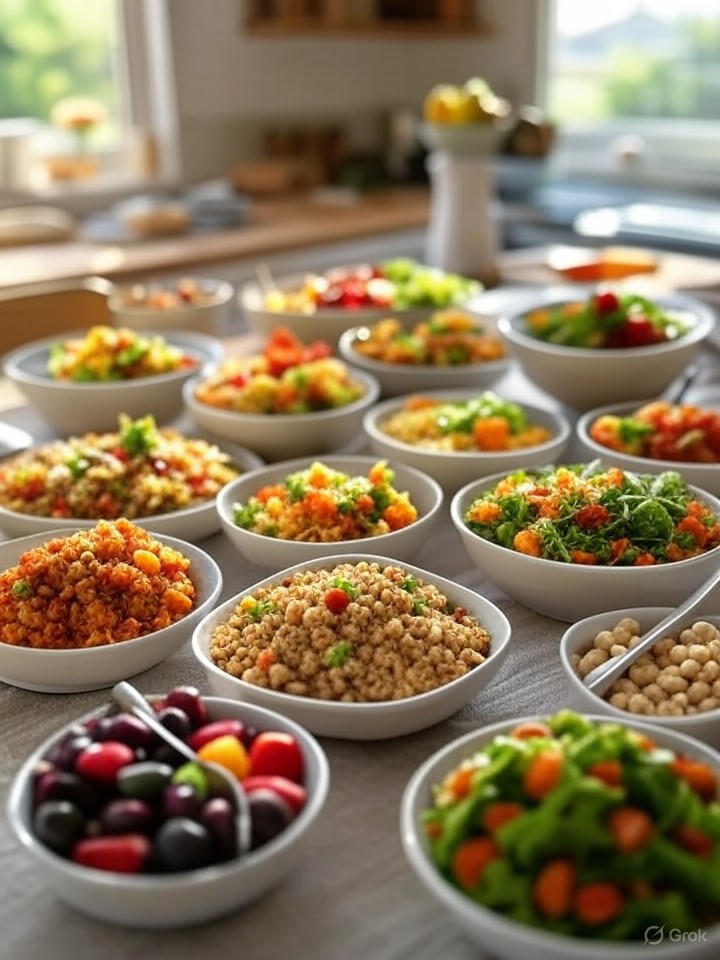
Midday meals benefit from grain bowls featuring farro or brown rice with chickpeas and kale. These combinations deliver complex carbs and plant proteins that sustain energy, reducing the pull toward vending machines. Evening options like baked sweet potatoes with lentils and greens wrap the day nutritiously, aiding overnight gut repair.
Snack on fiber-forward choices like pear slices with a handful of walnuts. This duo provides pectin, a fiber that binds in the stomach, potentially curbing impulsive eating.[6] Pair with plenty of water to optimize digestion.
Experiment with meal prep on weekends: chop veggies for salads or cook batches of bean soups. This approach makes high-fiber eating effortless amid busy schedules. Studies suggest planned meals correlate with higher fiber adherence and better energy outcomes.[7]
Season foods mindfully with herbs to enhance flavors naturally, easing the shift from processed tastes. Track progress loosely, noting how energy feels post-meal, to refine what works best.
Takeaway 1: Layer Fiber Across Meals
Incorporate at least one fiber source per meal, such as avocado on toast or beans in wraps. This even distribution may support consistent energy and lessen craving intensity. Caution: Ramp up intake over two weeks to allow your gut to adjust, avoiding bloating.
Takeaway 2: Swap Processed for Whole
Replace snacks like cookies with options like air-popped popcorn or yogurt with seeds. Such substitutions are associated with improved satiety and fewer blood sugar swings.[8] Be mindful not to overdo portions, as excess calories can counteract benefits.
Takeaway 3: Prioritize Hydration and Movement
Drink water alongside fiber-rich foods and add light walks after eating. This duo enhances fibers efficacy in stabilizing digestion and energy. Research shows it may amplify gut health gains.[9] Note: If digestive issues arise, consult a doctor before major changes.
Takeaway 4: Embrace Variety Weekly
Vary fiber sources, from apples to artichokes, to foster a diverse microbiome. This practice could bolster resilience against stress-induced cravings. Gently remind yourself that perfection is not required; small consistencies build long-term habits.
Initial resistance to fiber might feel challenging if tastes buds are accustomed to processed intensity. Start small, blending familiar favorites with new elements. For those with sensitivities, focus on cooked veggies over raw to ease tolerance.
Remember, these strategies complement overall wellness; pair with sleep and stress management for full effect. Missteps, like occasional indulgences, do not derail progress if balanced with nutrient-dense choices.
As you adopt these fiber-focused practices, envision days with clearer focus, vibrant energy, and freedom from nagging cravings. Your body may reward you with renewed vitality, making everyday demands feel more manageable. Wishing you gentle, joyful steps toward this nourished state.
For ongoing tips on thriving through nutrition, subscribe to Nutrition and join our community of wellness seekers.
[1] Personalized Flexible Meal Planning for Individuals With Diet-Related Health Concerns: System Design and Feasibility Validation Study, PMC, 2023. Full URL: https://pmc.ncbi.nlm.nih.gov/articles/PMC10436119/
[2] Top 10 Food and Nutrition Trends for 2025: A Future-Focused Guide, Food & Nutrition, 2025. Full URL: https://foodandnutrition.com/top-10-food-and-nutrition-trends-for-2025/
[3] Improve Gut Health: How to Include Fibre in Every Meal, The Times of India, 2025. Full URL: https://timesofindia.indiatimes.com/life-style/food-news/improve-gut-health-how-to-include-fibre-in-every-meal/articleshow/125634921.cms
[4] Gut Microbiome Influences on Cravings and Processed Foods, Derived from PMC Study, 2023. Full URL: https://pmc.ncbi.nlm.nih.gov/articles/PMC10436119/
[5] Fiber-Rich Foods for Energy Stabilization, Food & Nutrition Trends, 2025. Full URL: https://foodandnutrition.com/top-10-food-and-nutrition-trends-for-2025/
[6] Practical Fiber Integration for Gut Health, The Times of India, 2025. Full URL: https://timesofindia.indiatimes.com/life-style/food-news/improve-gut-health-how-to-include-fibre-in-every-meal/articleshow/125634921.cms
[7] Meal Planning and Gut Health Outcomes, PMC, 2023. Full URL: https://pmc.ncbi.nlm.nih.gov/articles/PMC10436119/
[8] Swapping Processed Foods for Fiber Alternatives, Food & Nutrition, 2025. Full URL: https://foodandnutrition.com/top-10-food-and-nutrition-trends-for-2025/
[9] Hydration and Fiber Synergy for Digestion, The Times of India, 2025. Full URL: https://timesofindia.indiatimes.com/life-style/food-news/improve-gut-health-how-to-include-fibre-in-every-meal/articleshow/125634921.cms
Retreats Editor — she connects mindful travel with everyday well-being, weaving in breathwork, light rhythms, and easy movement so retreats leave you feeling renewed.