Can plant proteins rival meat for muscle growth while killing midnight munchies? 2025 breakthroughs reveal game-changing strategies for vegan strength gains.


Imagine finishing a long day at the gym, feeling accomplished from your workout, only to find yourself raiding the kitchen at midnight for chips or cookies. Those late-night snack urges can derail your progress toward muscle gains, leaving you frustrated and off track. Many people struggle with this cycle, wondering if their plant-based diet is holding them back from achieving the physique they desire.
A common misconception is that plant-based proteins are inferior for building muscle, lacking the potency of animal sources. Recent 2025 research debunks this myth, showing that with the right strategies, vegan proteins can match or even surpass traditional options in supporting strength and recovery.[1] This surge in plant-based protein science offers hope for vegetarians, vegans, and flexitarians alike.
The year 2025 marks a pivotal moment in nutrition science. Innovations in plant-derived proteins, such as pea, rice, and hemp blends, have improved their amino acid profiles. Amino acids are the building blocks of proteins essential for muscle repair and growth.
Studies now highlight how processing techniques like fermentation enhance digestibility, making these proteins more bioavailable. This means your body can use them more efficiently, rivaling whey or casein.[2] For those transitioning to plant-based eating, this evolution addresses long-standing concerns about nutrient gaps.
Exciting findings from a 2025 comprehensive review reveal that plant-based proteins, when consumed adequately, lead to comparable muscle mass and strength gains as animal proteins.[1] The key lies in total protein intake and the leucine content, an amino acid that triggers muscle protein synthesis, or the process by which muscles grow.
Researchers compared vegan athletes supplementing with plant proteins to omnivores over 12 weeks. Results showed no significant difference in lean body mass increases, provided daily protein hit 1.6 grams per kilogram of body weight. This threshold supports optimal hypertrophy, or muscle enlargement, for most active individuals.
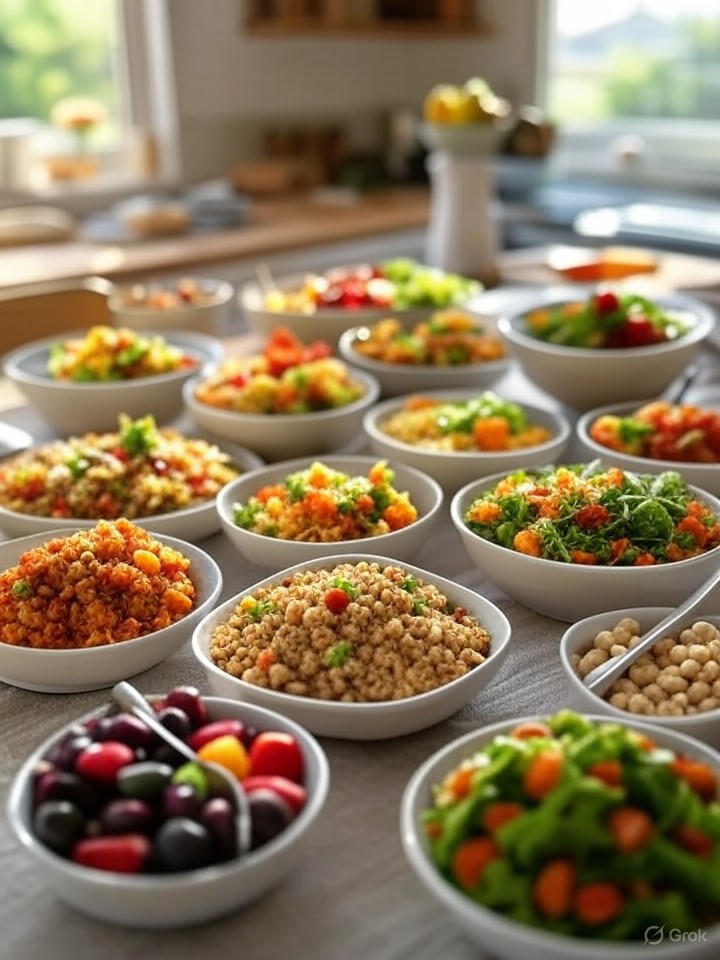
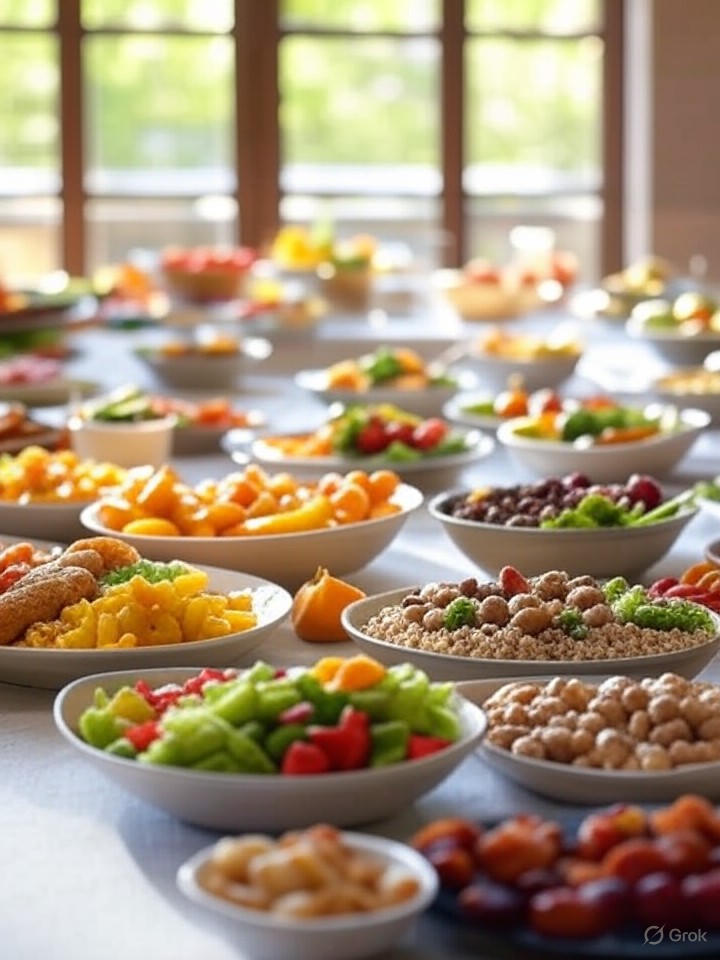
Combining sources, like soy with lentils, creates complete proteins with all essential amino acids. This strategy maximizes benefits without relying on supplements, though quality powders can fill gaps for convenience.
Late-night eating often stems from blood sugar fluctuations, hormonal shifts like increased ghrelin (the hunger hormone), or incomplete daytime nutrition. For muscle enthusiasts, these urges can lead to excess calorie intake, promoting fat storage over lean gains.
A 2025 study on snacking patterns found that irregular eating, especially post-8 PM, correlates with reduced recovery efficiency.[3] Poor choices high in refined carbs spike insulin, potentially interfering with overnight muscle repair processes.
Plant-based diets, rich in fiber, can naturally stabilize energy but require mindful timing to prevent evening hunger spikes. Understanding these triggers empowers you to make better choices.
To leverage this research, prioritize protein distribution throughout the day. Aim for 20-30 grams per meal to stimulate synthesis multiple times. Breakfast smoothies with pea protein and spinach kickstart your metabolism.
Incorporate resistance training three to five times weekly, focusing on compound movements like squats. Plant proteins may help enhance recovery when paired with carbs post-workout, such as a quinoa and black bean bowl.
Monitor progress with body composition scans rather than scale weight. Consistency in hitting protein goals, around 20-25% of daily calories from plants, is associated with noticeable strength improvements within eight weeks.
Start by eating balanced meals with protein, fats, and fibers every three to four hours. This prevents energy dips that fuel cravings. A dinner of tempeh stir-fry with broccoli provides satiety hormones like peptide YY to keep you full.
Hydrate intentionally; thirst often masquerades as hunger. Herbal teas or infused water in the evening may help soothe urges without calories.
Mindful practices, such as journaling or a short meditation before bed, redirect focus from snacks. If cravings hit, opt for a small, protein-rich option like a handful of almonds or a plant-based yogurt, which research suggests stabilizes blood sugar better than sweets.[4]
Embrace these actionable steps to integrate 2025 insights seamlessly:
These habits are realistic for busy schedules, requiring minimal prep and offering compounding benefits for muscle and mood.
Some may find plant proteins less palatable initially. Experiment with flavors - think savory seitan or sweet protein oats - to build enjoyment. Cost concerns? Bulk buys of beans and grains prove economical long-term.
For late-night resilience, create a no-snack zone after dinner with distractions like reading. If progress stalls, reassess totals; underestimating portions
Retreats Editor — she connects mindful travel with everyday well-being, weaving in breathwork, light rhythms, and easy movement so retreats leave you feeling renewed.