Stressed out? Ever wonder why that extra cookie calls your name during tough moments? Unpack the gut-brain science behind emotional bites and 2025's smartest strategies to reclaim calm and control.


In the rush of modern life, stress eating sneaks up on so many of us. Picture this: a deadline looms, anxiety spikes, and suddenly that bag of chips becomes your closest ally. It is a cycle that leaves you feeling guilty, bloated, and no closer to calm. In 2025, with wellness trends emphasizing mental and physical harmony, it is time to rethink this habit. A widespread misconception is that willpower alone can conquer emotional eating. Yet science shows that fighting cravings head-on often amplifies them, driven by the intricate dance between our gut, brain, and emotions.
Mindful eating has emerged as a cornerstone of 2025 wellness trends, shifting focus from restriction to awareness. This practice, inspired by mindfulness meditation, involves tuning into the present moment during meals—savoring flavors, textures, and your body’s signals. Studies indicate that mindful eating may reduce episodes of stress-induced overeating by fostering a deeper connection to hunger and fullness cues.[1]
Unlike fleeting diet crazes, mindful eating builds lasting habits. In a year marked by heightened stress from global changes and tech overload, it offers a gentle antidote. Imagine transforming hurried lunches into intentional pauses that nourish both body and mind.
At the heart of emotional balance lies the gut-brain axis, a communication highway linking your digestive system to your central nervous system. This pathway influences mood, stress responses, and even food choices through neurotransmitters like serotonin, much of which is produced in the gut.[2] Disruptions here, often from chronic stress, can trigger emotional eating as a quick comfort mechanism.
Emerging 2025 research highlights how nurturing this axis may help regulate emotions and curb impulsive snacking. Probiotics—live beneficial bacteria found in foods like sauerkraut and kimchi—support gut health and are associated with lower anxiety levels.[3] Simple dietary tweaks can recalibrate this connection without drastic overhauls.
Targeted nutrition interventions are revolutionizing stress management this year. Foods high in omega-3 fatty acids, such as fatty fish, flaxseeds, and chia seeds, may ease inflammation linked to mood dips and promote emotional stability.[4] Aim to include them two to three times weekly; for example, top oatmeal with chia for breakfast.
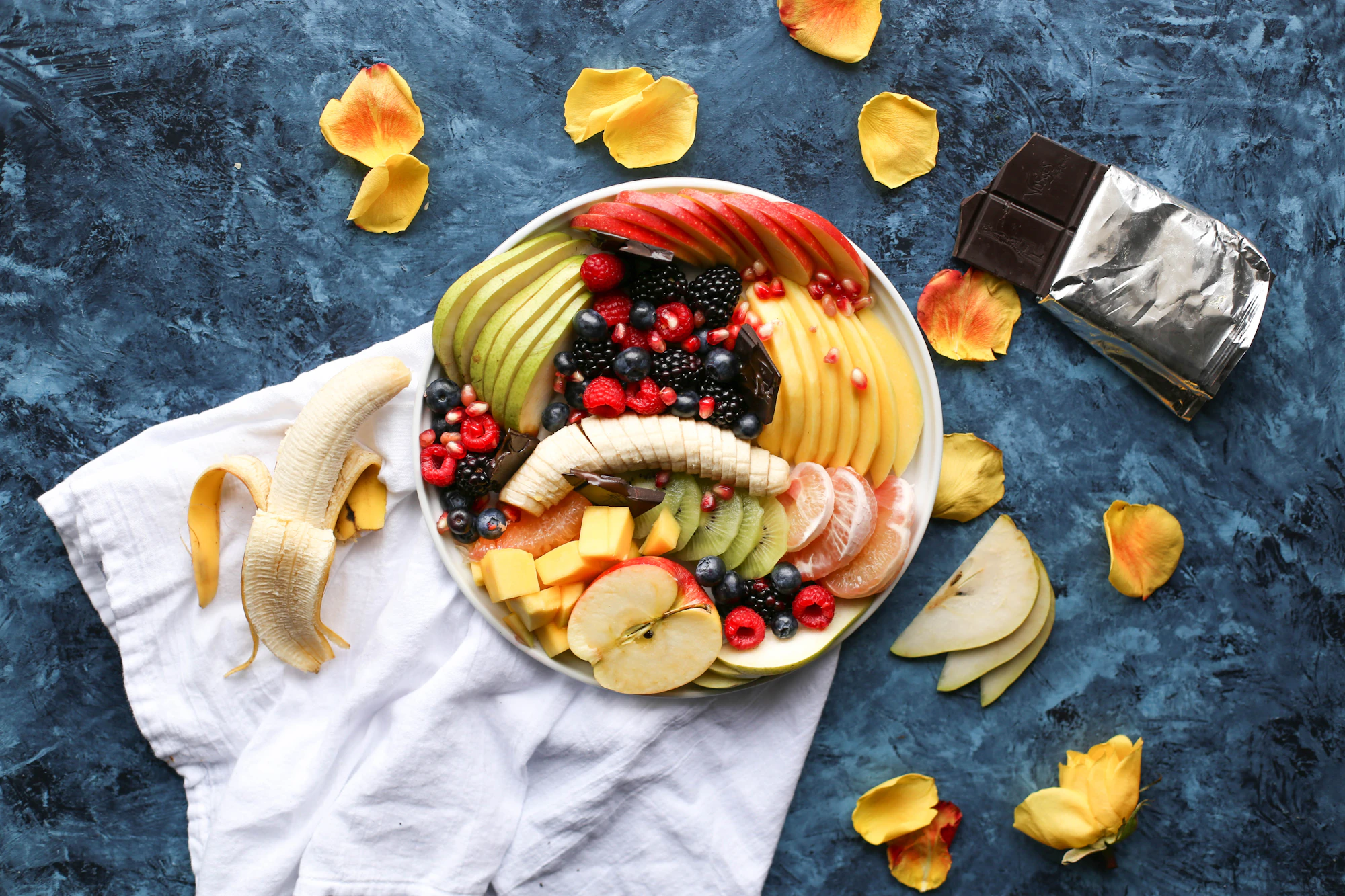
Polyphenol-rich options like berries and dark chocolate provide antioxidants that protect gut lining integrity, potentially enhancing brain signaling for better impulse control.[5] These choices stabilize blood sugar, reducing the crash-and-crave pattern common in stress eaters. Always pair with protein to maximize benefits and avoid empty-calorie pitfalls.
Caution: while these foods are allies, they are not cures. Over-relying on supplements instead of whole foods can lead to imbalances, so consult a healthcare provider before starting any regimen.
Practical gut-brain strategies empower you to break free from emotional eating. Start with fermented foods to boost microbiome diversity, which is tied to resilience against stress.[6] A daily serving of yogurt with live cultures may help modulate cortisol, the stress hormone that fuels cravings.
Incorporate prebiotics—fibers that feed good gut bacteria—from sources like asparagus and oats. These may enhance vagus nerve function, improving the gut-brain dialogue for calmer responses to triggers.[7] During high-stress moments, sip herbal teas like chamomile, which soothe digestion and promote relaxation without added sugars.
Mindful breathing exercises before eating activate the rest-and-digest mode, potentially reducing cortisol spikes. Try inhaling for four counts and exhaling for six; this brief ritual can shift your eating from reactive to responsive. Be mindful not to overdo fiber intake suddenly, as it might cause temporary discomfort—build gradually.
In 2025, the mindful eating revolution extends beyond the plate. Journaling post-meal reflections tracks how foods affect your mood, revealing patterns over time. Apps for guided mindfulness make this accessible, even on busy days.
Combine nutrition with movement: a post-meal stroll enhances gut motility and endorphin release, reinforcing emotional balance.[8] These layered approaches address root causes, not just symptoms, for sustainable change.
Here are realistic, repeatable steps to weave these strategies into your routine. They emphasize ease and enjoyment, helping you build confidence without overwhelm.
Meal Prep with Intention: Dedicate Sunday evenings to prepping gut-friendly snacks like veggie sticks with hummus. This preempts stress-induced grabs from the vending machine. Rotate options to keep things fresh and prevent boredom.
Practice Sensory Eating: During meals, eliminate distractions like phones. Focus on one bite at a time, noting aromas and tastes. This may help you recognize true satiety, cutting unnecessary calories. If emotions arise, acknowledge them without judgment—seek support if patterns persist.
Build a Stress-Buster Ritual: When cravings hit, brew a warm drink with ginger and lemon to settle your gut. Follow with five minutes of stretching. This duo may lower urgency to eat emotionally while boosting feel-good chemicals. Avoid using it as an excuse to skip balanced meals.
Track and Tweak: Use a simple app or notebook to log meals and moods weekly. Adjust based on what energizes you most. Remember, consistency trumps perfection; one off day does not derail progress.
Pair with Professional Support: These tools complement therapy or nutrition counseling. If stress eating ties to deeper issues, a registered dietitian can personalize plans safely.
Gently ease in to avoid burnout—start with one takeaway per week. Overconfidence in quick fixes can lead to frustration, so patience is key.
As you embrace these mindful eating and gut-brain strategies, envision a lighter you: fewer guilt-ridden episodes, steadier energy, and a profound sense of emotional equilibrium. Meals become moments of self-care, fostering resilience in a demanding world.
Discover more ways to thrive with our ongoing wellness guides, crafted to support your journey toward balanced living.
[1] Mindful Eating 101 — A Beginner’s Guide - Healthline[1]
[2] Breaking the Stress-Eating Cycle: Mental Health and Nutrition Interventions - Quan Nutrition[2]
[3] Brain Health Challenge: Try the MIND Diet - The New York Times[3]
[4] The Gut-Brain Axis: Influence of Microbiota on Mood and Mental Health - NCBI[4]
[5] Omega-3 Fatty Acids for Mood Disorders - Harvard Health[5]
[6] Gut Microbiome Diversity and Mental Health Outcomes - Nature[6]
[7] Mindfulness and Stress Management - American Psychological Association[7]
[8] The Gut-Brain Connection: How It Works and The Role of Nutrition - Healthline[8]
Retreats Editor — she connects mindful travel with everyday well-being, weaving in breathwork, light rhythms, and easy movement so retreats leave you feeling renewed.