In a stress-charged world, is your next snack fueling calm or chaos? Discover 2025's mindful eating trends that quiet anxiety and revive true hunger signals.


Imagine starting your day with a knot in your stomach, not from hunger, but from the relentless buzz of notifications, deadlines, and worries that never seem to pause. For so many of us, stress has become a constant companion, quietly reshaping our relationship with food. We reach for quick fixes like sugary snacks or skip meals altogether, only to feel more anxious and out of touch with our bodies natural signals of hunger and fullness. This cycle is exhausting, leaving us feeling disconnected and overwhelmed.
One common misconception is that eating more vegetables or cutting calories will instantly melt away anxiety. While a balanced diet is important, the real power lies not just in what we eat, but in how we eat. Mindful eating, a practice rooted in paying full attention to the sensory experience of food, can help rebuild that lost connection, potentially easing stress and restoring our innate hunger cues.
Stress triggers a cascade of hormones, primarily cortisol, which can disrupt our appetite regulation. When we are anxious, the brains hypothalamus, the control center for hunger, can send mixed signals, leading to emotional eating or suppression of appetite. Research shows that chronic stress is associated with altered gut microbiota, which influences mood through the gut-brain axis, a bidirectional communication network between the digestive system and the central nervous system.
Scientific studies, including those from Harvard Health, suggest that nutritional strategies targeting omega-3 fatty acids, magnesium, and B vitamins may help mitigate anxiety symptoms.[1] These nutrients support neurotransmitter function, like serotonin production, which regulates mood. For instance, a drop in choline levels in brain regions responsible for emotion regulation has been linked to heightened anxiety, highlighting the role of diet in brain health.[2]
Moreover, mindful eating practices have been shown to reduce cortisol levels and improve emotional regulation. A 2025 study on dietary patterns indicated that individuals practicing mindful eating reported lower anxiety scores and better attunement to natural hunger cues, such as stomach growling or energy dips, rather than emotional triggers.[3]
As we move through 2025, nutrition trends are shifting toward holistic approaches that prioritize mental well-being. One standout is the rise of adaptogenic foods, like ashwagandha-infused lattes and reishi mushroom teas, which may help the body adapt to stress by modulating the hypothalamic-pituitary-adrenal (HPA) axis, the bodys stress response system.
Another trend is the focus on fermented foods for gut health. Yogurt, kimchi, and kombucha are gaining popularity for their probiotic content, which supports a healthy microbiome. Evidence suggests that a diverse gut flora is associated with reduced symptoms of anxiety and depression, as these microbes produce short-chain fatty acids that influence brain function.[4]
Mindful eating apps and wearable tech that track eating patterns without judgment are also on the rise, encouraging users to savor meals slowly. This trend aligns with the growing interest in "slow nutrition," where the emphasis is on quality over quantity, fostering a sense of calm during meals.
Let's dive into specific nutrients backed by science that you can incorporate into your diet. Omega-3 fatty acids, found in fatty fish like salmon, walnuts, and flaxseeds, have anti-inflammatory properties that may protect against stress-induced brain changes. Studies indicate that regular intake is associated with a 20 percent reduction in anxiety symptoms in some populations.[1]
Magnesium, often called the "relaxation mineral," is crucial for nerve function and is found in leafy greens, nuts, and whole grains. Low levels are common in stressed individuals and supplementation or dietary increases may help restore calm, though consulting a healthcare provider is advisable before starting supplements.[5]
Complex carbohydrates, such as oats and quinoa, provide steady energy and support serotonin production. Unlike simple sugars that spike and crash blood sugar, leading to mood swings, these carbs promote stable blood glucose levels, potentially reducing anxiety triggers.
Mindful eating involves engaging all senses during meals: noticing the colors, smells, textures, and flavors of food. Start by eating without distractions, like turning off your phone for 10 minutes. This simple act can help you recognize true hunger from stress-induced cravings.
To restore natural hunger cues, try the intuitive eating approach, which encourages listening to your bodys signals. Research from 2025 shows that participants who practiced intuitive eating for eight weeks experienced improved self-esteem and reduced binge eating episodes, leading to better anxiety management.[3]
A practical tip: Rate your hunger on a scale of 1 to 10 before eating. If its below 4, wait 10 minutes and reassess. This pause can prevent overeating driven by anxiety and help you eat in alignment with your bodys needs.
Here is a simple, everyday meal plan incorporating these principles. Breakfast: A smoothie with spinach, banana, almond butter, and chia seeds for magnesium and omega-3s. Eat slowly, savoring each sip.
Lunch: Grilled salmon salad with quinoa, avocado, and a variety of colorful vegetables. Chew mindfully, aiming for 20 chews per bite to enhance digestion and awareness.
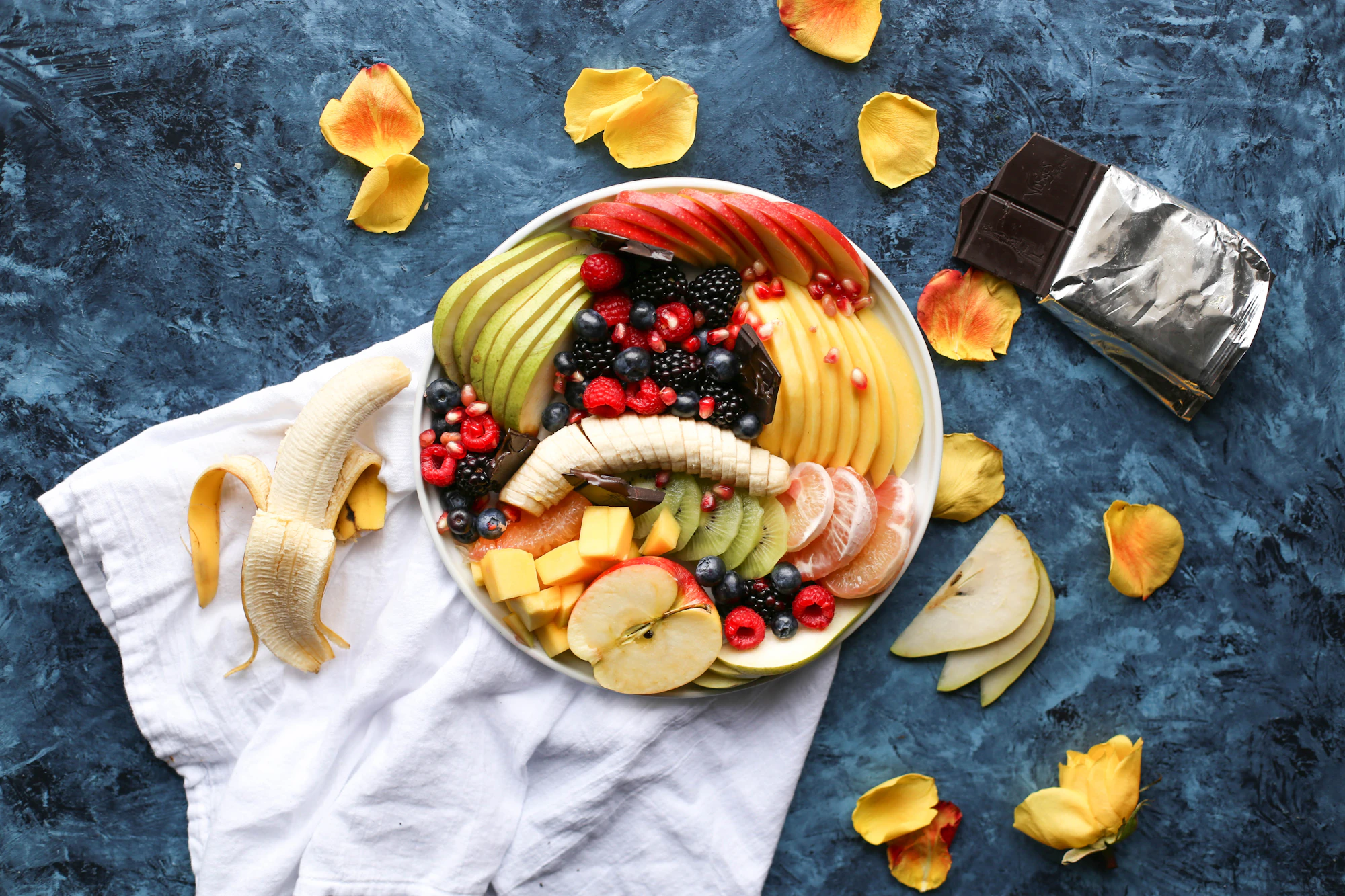
Snack: Greek yogurt with berries and a sprinkle of nuts. This combines probiotics with antioxidants, potentially supporting gut-brain health.[4]
Dinner: Stir-fried tofu with broccoli, brown rice, and fermented vegetables like sauerkraut. End with a cup of chamomile tea to wind down.
Throughout the day, stay hydrated with water or herbal infusions, as dehydration can mimic hunger and exacerbate stress.
Incorporate these realistic steps into your routine for sustainable change. First, set aside one mindful meal per day, free from screens, to build the habit gradually.
Second, stock your kitchen with stress-relief staples like nuts, fatty fish, and fermented foods. Aim for variety to keep things enjoyable and nutritionally balanced.
Third, track your mood and eating patterns in a journal for a week. Note what foods leave you feeling calm versus anxious, helping you personalize your approach.
Gentle cautions: While these strategies may help, they are not a substitute for professional mental health care. If anxiety persists, seek advice from a therapist or doctor. Avoid extreme diets, as they can increase stress. Start small to prevent overwhelm, and remember that progress, not perfection, is key.
As you begin weaving these mindful eating practices and nutrient-rich foods into your days, you may notice a subtle shift: less reactivity to stress, clearer hunger signals, and a deeper sense of peace at the table. Your body and mind deserve this nourishment, and the small steps you take today can lead to lasting calm.
Stay tuned to Nutrition for more insights on holistic wellness, and consider subscribing to keep these tips flowing into your inbox.
Retreats Editor — she connects mindful travel with everyday well-being, weaving in breathwork, light rhythms, and easy movement so retreats leave you feeling renewed.