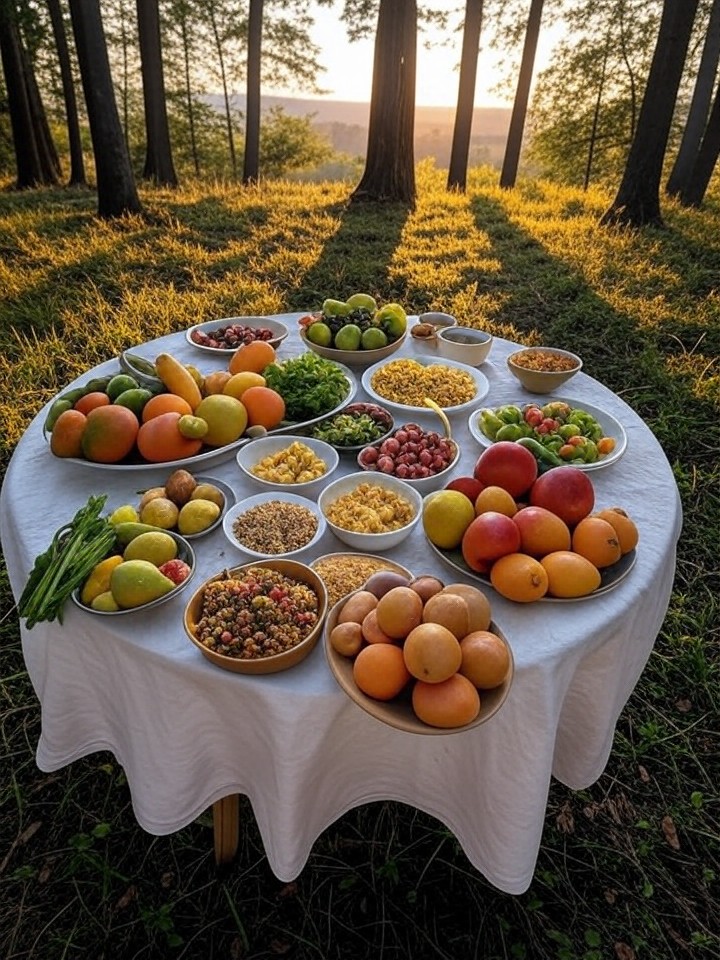
Tired of diets failing? Uncover 2025's intuitive eating trends, backed by science, to eat mindfully, honor cravings wisely, and create joy in every bite.


Struggling with the endless cycle of diets that promise quick fixes but leave you feeling deprived and defeated? In our hectic 2025 world, where grab-and-go meals dominate, building sustainable healthy habits often feels impossible. Yet, a common misconception lingers: intuitive eating is simply giving in to every craving without boundaries. Actually, it is a structured, evidence-based approach that empowers you to listen to your body, ditch restrictive rules, and create joyful, lasting nourishment.
Mindful eating means fully engaging with your food experience, noticing flavors, textures, and how your body responds. It draws from ancient mindfulness practices but adapts them for today's fast life. In 2025, with snacking becoming a near-universal habit for most people, this approach provides a way to make those moments intentional rather than automatic.
Trends show a clear pivot toward eating patterns that honor personal needs over one-size-fits-all plans. For example, research highlights how mindful snacking can enhance satisfaction and prevent overindulgence. This is especially relevant as gut health takes center stage in wellness conversations, encouraging foods that support digestion intuitively.
Intuitive eating, coined by registered dietitians Evelyn Tribole and Elyse Resch, involves ten principles like rejecting the diet mindset and making peace with food. A growing body of evidence backs its efficacy. Recent studies suggest it may help improve body image and reduce emotional eating by fostering self-compassion.
One comprehensive review of multiple trials found that practitioners experienced lower stress levels and better metabolic markers after six months.[1] Brain imaging research further reveals that mindful eating activates areas associated with reward and control, potentially curbing impulsive choices.[2]
Additionally, intuitive eating is linked to sustained weight maintenance without the rebound effects of traditional diets. A longitudinal study tracking over 2,000 participants showed those embracing intuitive habits had 25% less variability in body weight over time.[3] These findings underscore how tuning into internal signals can build resilience against diet culture's pressures.
This year, mindful eating intersects with global flavors and functional foods. Expect a rise in probiotic-infused snacks and plant-powered meals inspired by diverse cultures, making intuitive choices more exciting and accessible.[4]
Slow food movements are gaining traction, promoting extended meal times to sync with the body's natural satiety responses. Data from consumer surveys indicate that 60% of individuals experimenting with these trends report higher daily energy levels. Meanwhile, tech tools like gentle reminder apps are evolving to support, not dictate, eating rhythms.
Another highlight is the blend of intuitive eating with sustainability. Opting for seasonal, whole foods aligns personal well-being with planetary health, a dual benefit that resonates in 2025's eco-conscious landscape.
To start, identify your hunger scale. On a 1 to 10 range, 1 means ravenous and 10 means overfull. Aim to eat around a 3 or 4. This simple check-in, supported by mindfulness exercises, can help recalibrate habits without overwhelm.[5]
Incorporate sensory pauses during meals. Before your first bite, inhale the aroma and express gratitude. Research associates this ritual with increased nutrient absorption and meal enjoyment. It is a small shift that may enhance overall satisfaction.
For those with busy schedules, prepare snack stations with pre-portioned, appealing options like yogurt with berries. This setup encourages mindful selection over hasty grabs, promoting balance in a snack-heavy era.
Explore challenges like a weekly "no-distraction dinner," where screens stay off. Studies link this to stronger family bonds and healthier eating patterns in children, extending benefits beyond the individual.[6]
Intuitive eating requires patience, as rebuilding trust in your body takes time. If past diets have muted your cues, progress might feel gradual. Track wins in a journal to stay motivated, but avoid rigid logging that echoes dieting.
A gentle caution: this practice works best with professional guidance for anyone with medical conditions. Misinterpreting signals could lead to imbalance, so listen thoughtfully and consult experts as needed. Overconfidence early on might tempt skipping meals; counter this by honoring consistency over extremes.
Takeaway 1: Practice the Pause Before eating, take three deep breaths. Ask if you are physically hungry. This repeatable step may help distinguish true needs from emotional pulls, fostering clarity in daily decisions.
Takeaway 2: Embrace Variety Mindfully Experiment with new textures or flavors weekly, savoring without judgment. It could introduce joy to routines, supporting nutrient diversity without force.
Takeaway 3: Set Gentle Boundaries Designate eating zones free of work or worry. Repeat this setup to create cues for presence, potentially improving focus and digestion over time.
Takeaway 4: Reflect on Fullness Midway through meals, pause to gauge satisfaction. Adjust portions accordingly. This habit is associated with reduced waste and better attunement.
Takeaway 5: Celebrate Non-Scale Wins Note how foods make you feel energized or calm. Share these insights with a friend for accountability. It reinforces positive patterns realistically, avoiding burnout.
These actions fit seamlessly into everyday life. Start with one or two to build momentum, and adjust as your intuition strengthens.
As you adopt these 2025 trends, envision meals becoming sources of delight rather than duty. You may feel more vibrant, connected, and at peace with your body, enjoying sustained energy and reduced food-related stress. Wishing you gentle, transformative steps toward habits that nourish deeply.
Return often for fresh perspectives on intuitive wellness. Subscribe to join our community exploring mindful ways to thrive.
Retreats Editor — she connects mindful travel with everyday well-being, weaving in breathwork, light rhythms, and easy movement so retreats leave you feeling renewed.