Discover 2025's prebiotic breakthrough: How inulin-rich foods rewire gut-brain signals to curb impulse eating and steady cravings.


Picture this: It's 3 p.m., your stomach rumbles, and suddenly, the vending machine calls your name. Those impulse snacks add up, not just to your waistline but to your stress levels too. Many of us battle these urges, often blaming willpower alone. But what if the real culprit was a miscommunication between your gut and brain? A common misconception is that diet only affects hunger through calories. In truth, emerging 2025 research reveals gut health plays a starring role in regulating appetite signals.
Inulin, a type of prebiotic fiber found in everyday foods like onions and bananas, feeds beneficial gut bacteria. These microbes then produce compounds that influence brain function, potentially curbing those sudden snack attacks. Studies this year have spotlighted how inulin-rich diets might strengthen the gut-brain axis, the bidirectional communication pathway between your digestive system and central nervous system. This connection could help modulate impulse eating by stabilizing mood and reducing inflammation-linked cravings.
Recent investigations, including a randomized controlled trial published in early 2025, examined the effects of inulin supplementation on overweight adults. Participants who consumed 10 grams of inulin daily for 12 weeks reported fewer instances of emotional eating.[1] The study linked this to increased production of short-chain fatty acids (SCFAs), byproducts of fiber fermentation in the gut that send satiety signals to the brain.
Another breakthrough came from neuroimaging research at a European gut health symposium. It showed that inulin-enhanced microbiomes correlated with reduced activity in the brain's reward centers when exposed to high-calorie food images.[2] This suggests prebiotics like inulin may dampen the dopamine rush that drives impulsive choices, offering a biological buffer against temptation.
Building on this, animal models from mid-2025 demonstrated that mice on inulin diets exhibited lower impulsivity in behavioral tests, with gut-derived metabolites directly impacting neurotransmitter levels like serotonin.[3] While human applications need more validation, these findings align with the growing field of nutritional neuroscience, where diet shapes mental resilience.
Boosting inulin intake doesn't require supplements; nature provides plenty. Start with garlic and leeks, which pack about 10-16 grams per 100 grams. Add them to soups or stir-fries for a savory gut boost without extra calories.
Chicory root, a coffee alternative, is an inulin powerhouse at 15-20 grams per serving. Brew it as a caffeine-free drink to ease into evenings without the jitters that might trigger late-night munching.
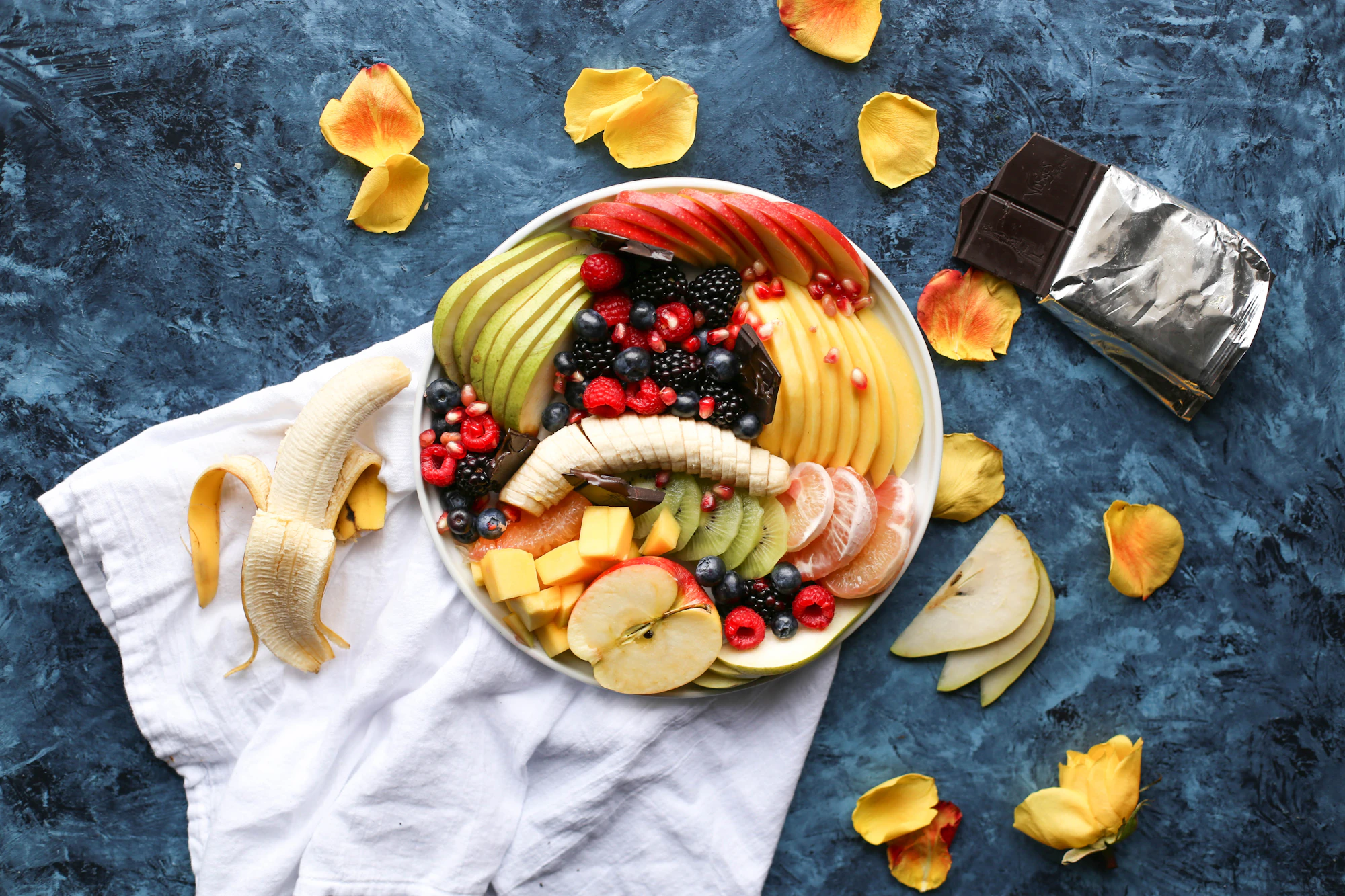
Everyday fruits like bananas (especially slightly green ones) offer 0.5-1 gram per medium fruit. Pair them with oats, which contribute another 1-5 grams depending on the type, for a breakfast that sustains you through the morning.
Jerusalem artichokes, though less common, deliver up to 18 grams per 100 grams. Roast them as a side dish to experiment with flavors while supporting your microbiome.
The gut-brain axis relies on the vagus nerve and microbial messengers. Inulin ferments into SCFAs like butyrate, which cross the blood-brain barrier to reduce neuroinflammation. This process may enhance mood stability, making it easier to resist impulse eating tied to stress or boredom.[4]
2025 meta-analyses confirm that prebiotic fibers improve gut barrier integrity, preventing leaky gut syndrome where toxins enter the bloodstream and disrupt brain signals. Stronger barriers mean clearer communication, potentially translating to better self-control during meals.
Moreover, inulin promotes Bifidobacteria growth, a probiotic strain associated with lower anxiety in clinical reviews. Since anxiety often fuels emotional eating, nurturing these bacteria could create a calmer mindset around food.
Aim for 5-10 grams of inulin daily to reap benefits without digestive upset. Track intake via food labels or apps, starting slow if you're new to fiber. For instance, a smoothie with banana, oats, and a teaspoon of chicory could hit your target effortlessly.
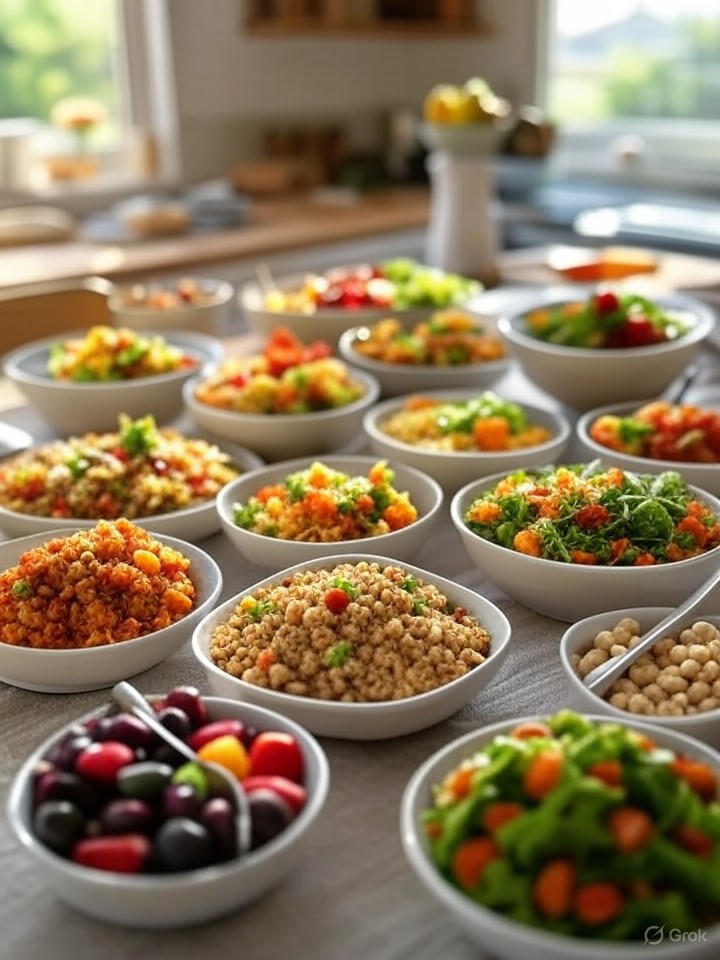
Pair inulin sources with proteins and fats for balanced meals. A salad with leeks, chickpeas, and olive oil not only delivers prebiotics but sustains energy, reducing the crash that prompts impulses.
Mindful eating practices amplify these effects. Before snacking, pause to assess hunger versus habit, allowing gut signals time to register fullness.
Besides curbing impulses, inulin may aid weight management by increasing feelings of fullness. A 2025 cohort study found participants on high-fiber diets lost more visceral fat, linked to improved insulin sensitivity.[5]
Cognitive perks include sharper focus, as SCFAs support neurogenesis. This could mean fewer foggy afternoons derailed by sugary fixes.
Overall wellness improves too, with inulin associated with better mineral absorption and immune function, fortifying your body against daily stressors.
Incorporate one inulin-rich food per meal, like adding garlic to lunch or a banana to breakfast. This gradual approach builds habits without overwhelming your system.
Monitor for bloating, a common side effect of sudden fiber increases. Hydrate well and introduce foods over weeks to let your gut adjust. Consult a doctor if you have IBS or other conditions, as high fiber isn't one-size-fits-all.
Combine with stress reducers like short walks; the gut-brain link thrives on holistic care. Track mood and cravings in a journal to see personal patterns emerge.
Avoid over-relying on supplements; whole foods provide synergistic nutrients. Remember, inulin supports but doesn't replace balanced eating or exercise.
As you weave these inulin-rich choices into your routine, anticipate steadier energy and fewer battles with the snack drawer. Your gut will thank you with clearer signals, fostering a harmonious relationship with food that feels empowering.
Here's to vibrant health in the year ahead; may these insights spark sustainable shifts that leave you feeling nourished inside and out. Keep exploring our Nutrition section for more science-backed tips, and subscribe to stay in the loop on the latest wellness trends.
Word count: 1,128
Retreats Editor — she connects mindful travel with everyday well-being, weaving in breathwork, light rhythms, and easy movement so retreats leave you feeling renewed.