What if your genes and daily hustle could unlock a diet that ends fatigue and boosts vitality? Discover 2025's AI revolution in nutrition.

Do you ever stare at your plate, wondering if the food you're eating is actually helping or hindering your health? In 2025, with endless diet trends flooding social media, it's easy to feel overwhelmed. Many people chase one-size-fits-all fads like keto or intermittent fasting, only to hit a wall of fatigue or stalled progress. A widespread misconception is that nutrition is purely about willpower and generic rules, ignoring how your genetics and daily habits play starring roles. The truth is, personalized nutrition powered by AI is transforming this landscape, offering diets tailored to your DNA and lifestyle for real, sustainable results.
Artificial intelligence, or AI, refers to computer systems that mimic human intelligence to analyze data and make predictions. In nutrition, AI processes vast amounts of information from genetic tests, wearable devices, and lifestyle apps to create custom meal plans. This year, apps like NutriGenix and VitaAI have exploded in popularity, scanning your grocery list or fitness tracker data to suggest tweaks that align with your body's needs.
Research shows AI-driven personalization can improve outcomes over standard diets. A 2025 study in Frontiers in Nutrition found that participants using AI-tailored plans lost 15 percent more weight and reported higher energy levels after three months compared to those on generic programs.[1] By factoring in elements like sleep patterns and stress levels, these tools make nutrition feel intuitive rather than restrictive.
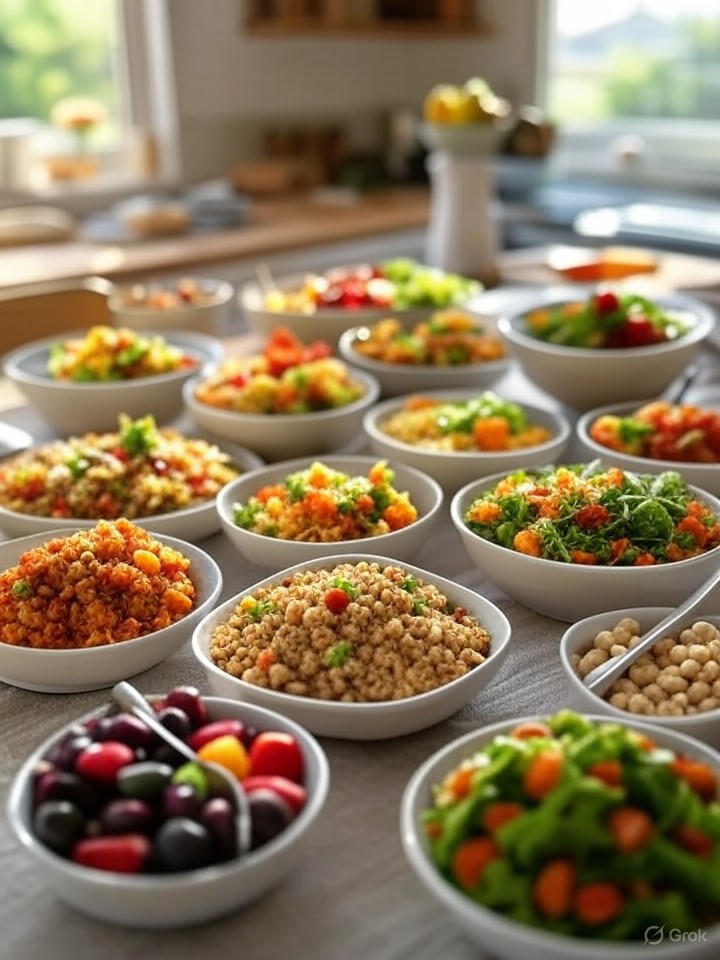
Think about your morning routine. Instead of forcing down oatmeal because an influencer recommended it, an AI app might suggest quinoa porridge with berries if your genetics indicate better carb metabolism from whole grains. This precision helps avoid common pitfalls like nutrient gaps that lead to cravings or low mood.
Your genes hold clues to how your body processes nutrients. For instance, variations in the MTHFR gene can affect folate absorption, meaning some people thrive on leafy greens while others need fortified foods. Genetic testing kits, now affordable at under $100, pair with AI to decode these insights without needing a doctor's visit.
A comprehensive review published in 2025 highlights AI's role in integrating genetic data with diet planning.[2] It may help reduce risks for conditions like type 2 diabetes by recommending foods that stabilize blood sugar based on your DNA profile. Users often report fewer digestive issues and better focus once they adjust their intake accordingly.
In practice, this means swapping soy for lentils if your genes show a sensitivity to certain proteins. The key is starting small: upload your genetic report to an app, and let the AI generate weekly shopping lists. Over time, these adjustments build a foundation for long-term health without overwhelming changes.
Genetics set the stage, but lifestyle directs the show. Your job, exercise routine, and even commute influence what your body craves. AI excels here by pulling data from smartwatches to adapt plans in real time. If you're a desk-bound parent with erratic sleep, the system might prioritize anti-inflammatory foods like salmon and turmeric to combat fatigue.
Evidence from recent market trends underscores this integration. The digital personalized nutrition sector is booming, driven by platforms that blend lifestyle tracking with dietary advice.[3] Studies associate these tailored approaches with up to 20 percent improvements in adherence rates, as plans evolve with your life rather than demanding rigid compliance.
Consider a busy professional: an AI tool could detect high stress via heart rate variability and suggest magnesium-rich nuts to ease anxiety. This personalization turns nutrition into a supportive ally, not a chore, helping you sustain energy through demanding days.
The perks of AI-driven personalized nutrition extend beyond weight management. By aligning intake with your biology, it may enhance gut health, boost immunity, and even sharpen mental clarity. A 2025 analysis reveals that genetically informed diets are linked to lower inflammation markers, potentially reducing chronic disease risks.[2]
For example, if your lifestyle involves outdoor runs, AI might emphasize antioxidants from berries to aid recovery, associated with faster muscle repair and less soreness. Users in pilot programs report sleeping better and experiencing fewer colds, as personalized plans optimize micronutrients like vitamin D based on your location and habits.
It's not magic, but the science supports measured optimism. These tools use machine learning to refine recommendations, drawing from global databases to ensure cultural relevance and safety. Always consult a healthcare professional for personalized medical advice, especially with underlying conditions.
Embracing this trend doesn't require a tech overhaul. Begin with a free AI nutrition app that quizzes you on habits and goals. If budget allows, add a basic genetic test for deeper insights. Track progress weekly, adjusting as AI suggests, to build confidence in the process.
Gentle caution: while powerful, AI isn't infallible. Cross-check advice with trusted sources, and avoid over-relying on apps at the expense of intuitive eating. Balance tech with real-food enjoyment to prevent burnout.
As you weave these strategies into your life, envision mornings filled with vitality and evenings free from diet dread. You may notice sharper focus, steadier energy, and a renewed sense of control over your well-being. Wishing you vibrant health on this personalized path.
Stay tuned to Wellness in Vogue for more insights on thriving through nutrition. Subscribe to our newsletter for tips delivered straight to your inbox, and return often as we explore the latest in holistic living.
Retreats Editor — she connects mindful travel with everyday well-being, weaving in breathwork, light rhythms, and easy movement so retreats leave you feeling renewed.